
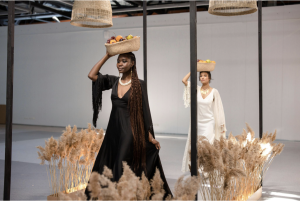
Luxury fashion has always been built on the foundation of uncompromising standards. When a design house creates a garment, the brand identity rests entirely on the visual perfection of that piece. It is a world where every stitch, every fold, and every shadow matters. For decades, the industry relied on manual sketches, hand-drafted patterns, and slow, physical sampling processes to bring new collections to life. That era is fading. A shift is underway where generative technology acts as a partner rather than a replacement. Designers are finding that ai fashion photos provide a vital layer of clarity that was previously difficult to capture in the initial stages. The process has moved beyond simple novelty. Creative directors now look at these tools as a core part of their infrastructure. By utilizing an ai fashion model generator as a trusted assistant, design teams can visualize complex concepts before a single piece of fabric is even purchased. This allows them to iterate rapidly, testing variations in silhouette and volume that might have taken weeks to mock up in a physical studio. The goal is to reach a level of creative precision that ensures the final product meets the high expectations of an elite clientele. It is about removing the guesswork from the early stages of design, allowing the artistry to shine through with absolute focus and intent.
The Transformation Of The Pre-Production Workflow
Luxury labels are fundamentally changing how they approach the blank page. Historically, the pre-production phase relied heavily on flat illustrations or simple swatches. This often left room for misinterpretation between the designer and the pattern maker. Now, houses are pivoting toward hyper-realistic visualizations. These digital mockups provide a complete view of the intended garment, allowing teams to spot potential issues with proportion or balance early on. Using AI models and fashion tools, designers can see a concept rendered with realistic textures and lighting. This operational shift is significant because it dramatically lowers the reliance on physical prototypes. Every time a brand creates a muslin or a test garment, there is a cost in time, materials, and labor. By perfecting the design digitally first, the team can commit to physical production only when they are confident in the vision. This does not replace the artisan; it gives them a clearer blueprint to work from. It speeds up decision-making, ensuring that the creative energy is spent on refining the details that matter most, rather than fixing structural errors that could have been identified in the pre-production phase. As efficiency becomes a mandate for luxury success, this digital-first approach provides a robust framework for innovation.
Mastering Texture And Drape Analysis
One of the biggest challenges in fashion design is understanding how a textile will move. A sketch on paper cannot tell you how silk will drape on a curve or how heavy wool will hang from a shoulder. This is where modern AI models excel. They are increasingly capable of simulating complex textile behaviors, allowing designers to stress-test their ideas. By applying these digital tools, brands can observe how fabrics interact with light and gravity. This level of technical insight helps ensure that the physical garment will behave exactly as intended when it hits the runway or the rack. When designers use AI fashion models to test these dynamics, they are essentially performing a digital fitting. If a particular lace pattern looks too busy in a render or a heavy velvet does not catch the light correctly, the designer knows immediately. They can adjust the digital weave or the drape settings without wasting expensive materials. This early testing phase preserves the integrity of the design vision. It ensures that the transition from a digital concept to a physical luxury product is as seamless as possible, minimizing the gap between the original creative spark and the final, tangible result.
Strategic Advantages For Luxury Houses
Adopting AI into the creative strategy is not just about aesthetics; it is a calculated business move that provides a competitive edge. Luxury brands operate under tight schedules, often balancing multiple collections throughout the year. Speed is valuable, but accuracy is paramount. By integrating digital visualization into their workflow, brands can make informed decisions in hours rather than days. This is crucial for managing high-concept designs that require multiple iterations to get right.
- Digital simulations of drapes and cuts allow for a drastic reduction in material waste before physical production begins.
- Providing photorealistic previews eliminates ambiguity and aligns stakeholder communication across global design teams.
- Teams can rapidly explore diverse colorways and material pairings without the need to order expensive, custom-dyed fabric samples.
- Designers have a greater capacity for creative risk-taking, knowing that failed experiments are purely digital and do not incur manufacturing costs.
When teams learn to create AI fashion models that precisely match their brand’s aesthetic, they gain a powerful planning tool. It moves the conversation away from abstract sketches toward tangible visual data that everyone can agree upon.
Precision In Color Palette Development
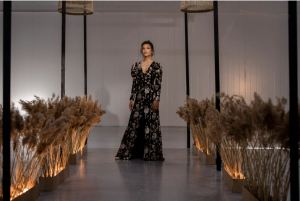
Color is the lifeblood of a collection. In the luxury sector, the difference between a shade being off and being perfect is massive. AI tools allow designers to visualize how colors interact across different textures and material finishes with high accuracy. The technology helps simulate how light reflects off satin, how shadows deepen in cashmere, and how depth is perceived in complex patterns. This is essential for maintaining the house’s signature aesthetic. Designers can fine-tune these palettes to ensure they feel cohesive and balanced. By viewing ai generated fashion models, they can see how a specific hue performs in different lighting environments—such as the harsh glare of a studio light versus the soft ambiance of a runway. This consistency is a hallmark of luxury, and AI provides a level of control that manual painting or basic digital rendering often misses. It ensures the final garment aligns with the brand’s established guidelines while offering the freedom to innovate within those boundaries.
Sustainability And Operational Efficiency
Luxury production has historically been a resource-heavy process. Sustainability is no longer a niche concern; it is a major expectation from modern consumers. Digital prototyping helps the industry shift toward more ethical practices. By reducing the number of physical samples—which are frequently discarded after a single photoshoot or design review—brands can significantly lower their carbon footprint. Current industry data suggests that sampling accounts for a substantial portion of pre-production waste, with some estimates indicating that up to 30% of materials in the prototyping phase end up as landfill. Digital design mitigates this waste. When an AI photoshoot fashion setup replaces the need for a full-scale test shoot with physical models and crews, the resource savings are immense. It allows houses to refine their garments without the logistical burden of travel, set building, and waste production. This aligns the desire for high-end fashion with the growing demand for environmental responsibility. It proves that luxury need not come at the cost of excessive consumption, thereby making efficiency a core part of the brand’s value proposition.
The Human Element in AI Collaboration
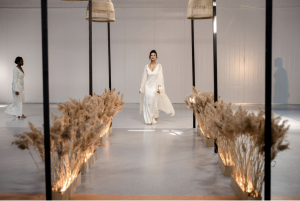
Technology serves as a powerful assistant, but it must be guided by human intent. The soul of a luxury brand resides in the creativity, heritage, and unique perspective of its designers. AI is simply a tool that amplifies this human element. Successful houses are careful to use an ai fashion models generator to augment their processes rather than replace them. The curation of the output—selecting what works and what does not—is a deeply human task that requires taste and cultural understanding. Designers must maintain control over the process, treating the machine output as a starting point. They filter the generated options through the lens of the brand’s history and the creative director’s vision. By doing this, they ensure that the output remains distinctive. It is a collaborative relationship in which the human provides the why and the what, and the machine provides the how, in terms of speed and visualization. This synergy prevents the work from feeling sterile or generic, keeping the brand’s identity front and center at every step of the journey.
Brand Authenticity And Ethical Considerations
Maintaining a distinct voice while using generative tools is a balancing act. Every brand has a unique archival DNA that must be protected. There is a valid concern regarding the ethics of training models on house-specific archives, and top-tier labels are addressing this by building closed-loop, private systems. These systems ensure that the visual output remains proprietary and secure from external influence, preventing the brand’s style from leaking or being co-opted by generic algorithms. Protecting intellectual property is the highest priority. When a house uses AI to expand its creative capabilities, it must do so with internal data that reflects its own legacy. This practice preserves the brand’s authenticity. If a customer can instantly recognize a design as belonging to a specific house, the AI is doing its job correctly. The ethical use of technology means respecting the label’s heritage while using modern tools to push the boundaries of what is possible in design and manufacturing.
The Future Of Digital Couture
Looking ahead, the integration of AI into fashion is likely to accelerate. We are moving toward a future where digital and physical realities blend seamlessly. Imagine a scenario in which a client interacts with 3D fashion shows or virtual dressing rooms powered by the same models used during the design phase. This would enable hyper-personalized customer experiences, in which the garment can be adjusted to fit the client’s specific measurements before it is even sewn. The possibilities that emerge when traditional craftsmanship meets cutting-edge technology are infinite. It creates a path toward a more responsive industry that can adapt to changing tastes without sacrificing the quality that defines luxury. The future of couture will be defined by those who can harness these tools to elevate their craft, using technology to solve old problems while opening doors to new forms of expression.
Conclusion
AI has proven itself to be a transformative partner for luxury houses. It is not about discarding the traditions of the past but about building a more precise, sustainable, and creatively expansive future. By integrating these advanced tools into their creative strategy, designers can focus on what they do best: creating garments that inspire. The pursuit of perfection has always been the ultimate goal in luxury, and now, it is supported by unprecedented technological capabilities. As brands continue to refine their use of these systems, the industry will see a rise in efficiency without compromising the artistry that makes high fashion special. The transition to incorporating AI fashion photos is just the beginning of a larger evolution in how luxury is conceptualized, developed, and brought to the world.
Author

Written by
Recent Posts

Unlocking the Berkshires
Dalia Forman Design
Alberto Luzzi
How to Pick a Homecoming Dress for Your Body Type and Feel Amazing in It
How to Prepare a Home for Sale When Major Repairs Are Not Affordable
Categories
- Art
- Articles
- Business of Luxury
- Celebrities
- Culture
- Entertainment
- Events
- Faces of Summer 2026
- Fashion
- Fashion & Style
- Featured
- Finance
- Food, Spirits, Wine
- Hamptons
- Hamptons Celebrities
- Health
- Health & Beauty
- Lifestyle
- Luxury Lifestyle
- Press
- Profiles
- Real Estate
- Technology
- The Chronicles
- Travel
- Uncategorized
- Weddings