
Reality television, generally, does not build wealth. The businesses built while the cameras are rolling do. The reality TV celebrity net worth story for Kyle Richards, Bethenny Frankel, and Lisa Vanderpump is not a story about Bravo. It is a story about three women who used national television exposure as a marketing channel. They then built consumer brands, hospitality empires, and equity positions nearly invisible to anyone who watched only the show. Combined, they built roughly $230M. The cameras were never the point.
What connects all three is a specific arbitrage. Reality television delivers something most marketing budgets cannot purchase: sustained, intimate audience attention across multiple seasons. That attention is, indeed, worth almost nothing as a check from a network. It is, however, worth a great deal as brand equity, restaurant traffic, spirits distribution, and consumer trust. Each of the three women on this list identified that arbitrage early — and each, subsequently, moved on it. Consequently, each converted it differently — and each outcome reflects the category she chose and the timing of her move.
Three Women, Three Conversion Strategies
Real Estate, Retail, and the Richards Empire: Kyle Richards

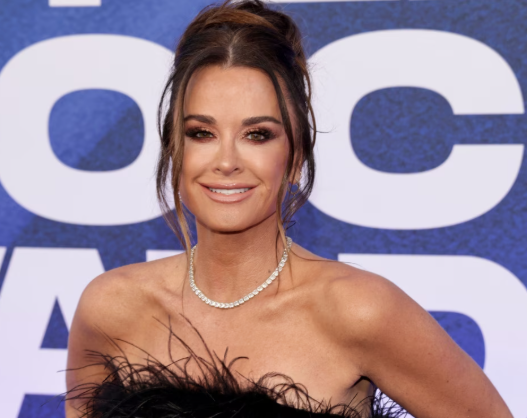
Kyle Richards’ ~$100M net worth is built on Real Housewives of Beverly Hills visibility and a retail and real estate portfolio that predates and outlasts the show. Her boutique Alene Too, operating in Beverly Hills, generates consistent retail income independent of any filming schedule. Her acting residuals from Halloween provide a passive income layer. Most Housewives cast members do not have that floor. Furthermore, her marriage to Mauricio Umansky placed her inside one of the most productive luxury real estate networks in Los Angeles for over two decades. The Agency, which Umansky founded, transacted over $1B in real estate annually before their separation.
Her Hamptons and broader luxury travel presence has generated Social Life Magazine coverage across multiple seasons. The Beverly Hills-to-East End circuit she operates in is, specifically, the demographic luxury brand sponsors pay most to reach. The full Kyle Richards net worth profile covers the boutique portfolio, the Umansky real estate network, and the full wealth breakdown.
SkinnyGirl, the $100M Exit, and What Came Next: Bethenny Frankel

Bethenny Frankel’s ~$80M net worth is anchored by the most discussed liquidity event in reality television history. She launched SkinnyGirl Margarita after her first Real Housewives of New York City season. Beam Global acquired the brand in 2011 for a reported $100M. She was a first-season Housewife who had used the show as a launch runway rather than an endpoint. The brand existed before the acquisition conversation began. The show made the brand visible at scale.
Subsequently, B Real Productions, BStrong, and ongoing media presence have maintained her brand equity through two Housewives exits and a public divorce. Her Bridgehampton presence is documented. She has owned property in the Hamptons and maintained consistent East End visibility across multiple summers. In addition, her public positioning on entertainment industry labor issues has extended her reach into audiences who never watched Housewives. The full Bethenny Frankel net worth profile covers the SkinnyGirl transaction, the BStrong philanthropy, and the Bridgehampton chapter.
Hospitality, Vanderpump Rules, and the Restaurant Portfolio: Lisa Vanderpump
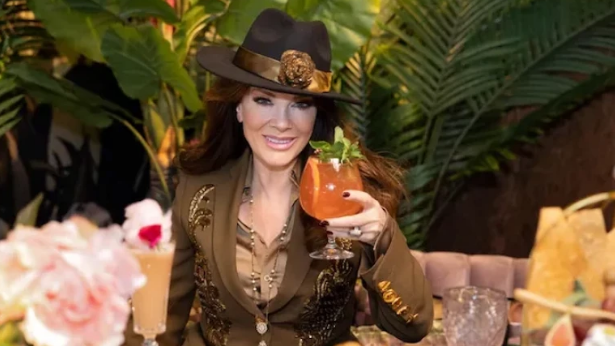
Lisa Vanderpump’s net worth — estimated between $75M and $90M alongside husband Ken Todd — is built on a hospitality portfolio that Bravo turned into a content franchise. Sur, Pump, TomTom, and the Las Vegas properties generate operating income independently of any filming. Vanderpump Rules ran for eleven seasons and produced multiple cast spinoffs. Each extended the Sur brand to new audiences without additional marketing spend. Additionally, her Vanderpump Cocktail Garden at Caesars Palace established a hospitality footprint outside Los Angeles. It does not depend on any ongoing television presence.
Her Vanderpump Dogs Foundation adds a philanthropic layer that has, specifically, expanded her brand beyond the core Housewives demographic. The hospitality model is structurally different from the other two strategies on this list. It converts television attention into foot traffic and beverage revenue rather than consumer product equity. The full Lisa Vanderpump net worth profile covers the restaurant portfolio, the Vanderpump Rules franchise economics, and the Las Vegas expansion.
What Reality TV Celebrity Net Worth Actually Measures
The $230M combined figure is the residue of three decisions about what to do with a camera pointed at your life. Richards, for instance, used it to extend a retail and real estate brand already in motion. Frankel, conversely, used it as a product launch runway and exited before the show defined her ceiling. Vanderpump, meanwhile, built a hospitality franchise that the show promoted for eleven seasons without ever controlling it.
Each strategy required the same prerequisite: treating the television exposure as a means rather than an end. The Housewives cast members who did not build parallel businesses are not on this list. Visibility without equity does not compound. That is, ultimately, the entire argument. Reality TV celebrity net worth is, therefore, a story about conversion rate. The camera delivers attention. What each person built with that attention determines the number.
That conversion pattern runs throughout Social Life Magazine’s Celebrity Net Worth Rankings 2026. Across every tier — from legacy music icons at $2.95B down to reality television — the positions that compound most reliably are built on owned equity rather than platform income. Reality television makes the case most starkly. The platform income is modest. The equity upside is, by contrast, substantial and visible.
Hamptons, Reality Wealth, and the East End Circuit
Bethenny Frankel’s Bridgehampton property and Kyle Richards’ East End appearances place the reality TV celebrity net worth story directly inside the Hamptons geography. The same summer circuit that draws legacy catalog wealth also draws Bravo-adjacent consumer brand money. Spirits sponsors, restaurant groups, and luxury real estate networks all underwrite this tier’s business infrastructure. Polo Hamptons draws that same convergence each July.
Social Life Magazine has covered all of it for twenty-three summers. Contact us to discuss features, partnerships, and placement alongside this audience.
Feature your brand alongside this audience: Contact Social Life Magazine — magazine features, digital placement, and event activations.
Where Hamptons brand money convenes: Polo Hamptons — sponsorships, VIP access, and East End brand activations.
Get the Hamptons insider list: Subscribe to Social Life Magazine
Support independent Hamptons journalism: Donate $5
Author

Written by
Recent Posts
7 Mindful Meal Prep Tips for Stop Food Waste Day

Rebecca Ferguson Net Worth: The Advantage of Not Being the Lead
What Makes a Dinner Party Truly Unforgettable (Hint: It’s Not the Food)
Tips for Managing Grease and Oil in Everyday Dishwashing
Austin Butler Net Worth: The Method Actor in a Post-Method World
Categories
- Art
- Articles
- Beauty & Skincare
- Celebrities
- Celebrities|Entertainment
- Celebrities|Television
- Celebrities|The Chronicles
- celebrities|the-archive
- Chronicles
- Entertainment|Culture
- Event Photos
- Events
- Fashion
- Fashion & Style
- Featured
- Food & Beverage
- Food, Spirits, Wine
- Hamptons
- Hamptons Celebrities
- Hamptons Celebrities|Celebrities|The Chronicles
- Health
- Health & Beauty
- Lifestyle
- Luxury Lifestyle
- Movies
- Press
- Profiles
- Real Estate
- Technology
- The Chronicles
- Travel
- Uncategorized
- Weddings