
The Before
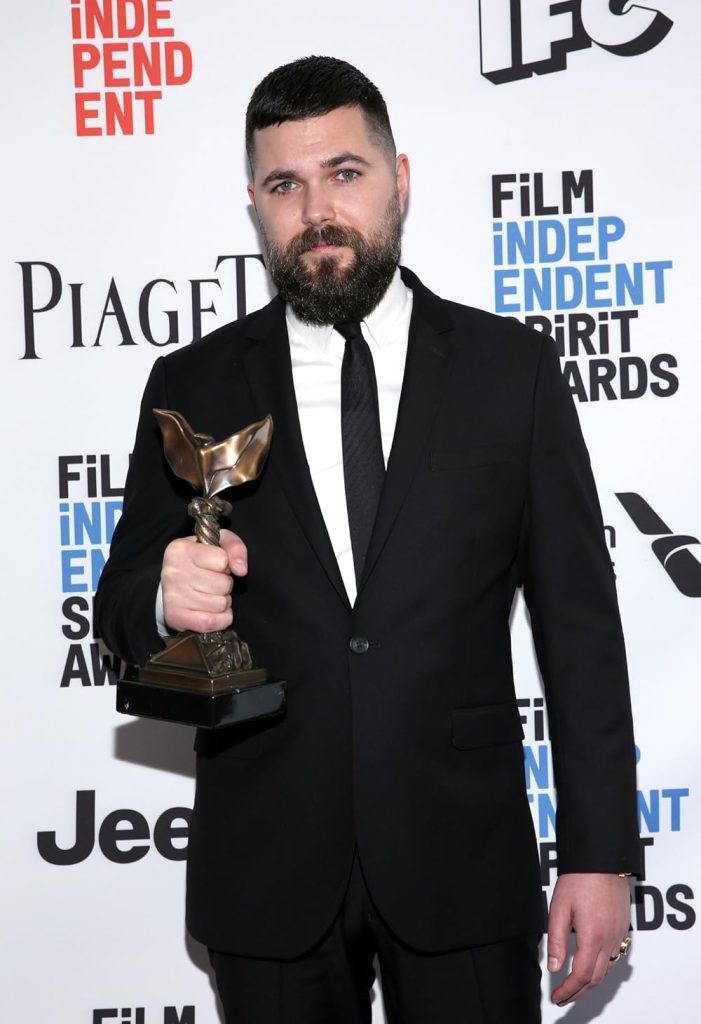
The Robert Eggers net worth story begins where all good origin stories begin: before anyone was paying attention.
Robert Eggers arrived in Lee in 1983, New Hampshire. A small town where the entertainment industry exists only as something that happens on television screens in living rooms heated by woodstoves. He grew up obsessed with folklore, fairy tales. The specific aesthetic of historical periods that most people encounter only in museum exhibitions. He studied directing at the School of Visual Arts in New York and spent years working as a production designer and art director in theater and film. Building sets with the kind of historical precision that would later define his directorial work. That his colleagues at the time probably considered pathological.
His early career in New York theater production design taught him something that most directors never learn: that the physical environment of a story is not decoration but narrative. That getting the environment wrong makes everything built on top of it feel false. He designed productions that obsessed over period accuracy to a degree that exhausted his collaborators. That would later. When applied to feature films, produce visual environments so convincing that historians use them as teaching materials.
The Pivot Moment
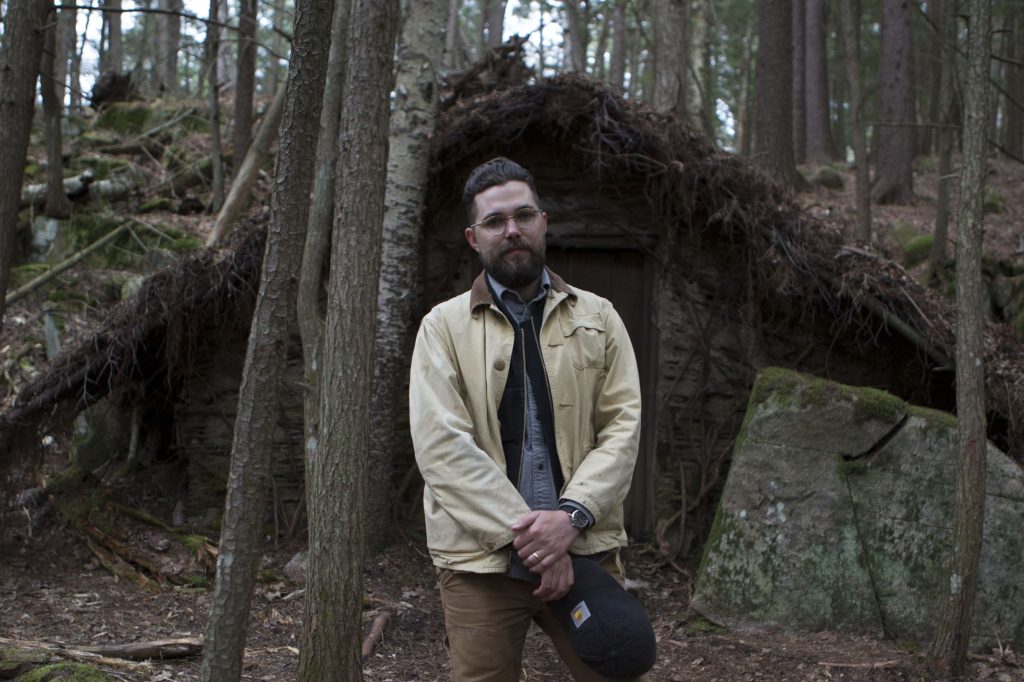
The Witch was Eggers’ feature debut, financed at $3.5 million. A budget that reflected both the film’s minimal location requirements. The industry’s total lack of interest in a Puritan horror film written in Early Modern English by a first-time director whose primary credential was theatrical production design. The film premiered at Sundance in 2015, where it won the Directing Award. And was acquired by A24. This recognized what the rest of the industry could not: that Eggers’ obsessive commitment to historical authenticity was not a commercial liability but a competitive advantage that no other filmmaker could replicate because no other filmmaker was willing to do the research.
The Research as Moat
Eggers’ research process is legendary in the industry. For The Witch, he read seventeenth-century diaries, court records, and theological texts. For The Lighthouse, he studied nineteenth-century maritime logs and the specific psychological effects of isolation on lighthouse keepers. The Northman required consultations with archaeologists and Viking historians. Nosferatu demanded immersion in German Expressionist cinema and nineteenth-century Romanian folklore. Each film’s research phase extends for years before production begins. This means the films take longer to make but are built on foundations that competitors cannot replicate through larger budgets or better technology. The research is the moat, and the moat is wide enough that nobody has attempted to cross it.
The Climb
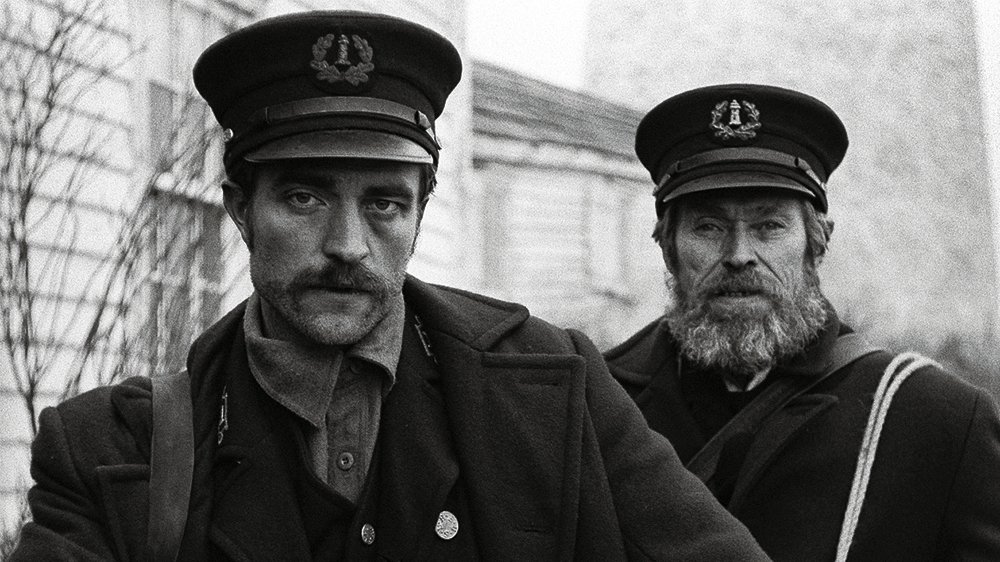
The Lighthouse with Robert Pattinson and Willem Dafoe cost $11 million and grossed $18 million, confirming that Eggers’ audience. While not enormous, is intensely loyal and willing to follow him into increasingly challenging material. The Northman at $90 million was his attempt to operate at studio scale. And its $69 million gross was commercially disappointing but artistically triumphant. That proves he could handle large-scale action sequences without compromising the historical rigor that defines his brand. Nosferatu in 2024 represented the synthesis: period horror at a scale larger than The Witch but more controlled than The Northman.
His directing fees have escalated with each project. From whatever The Witch’s $3.5 million budget could afford to compensation packages that likely reach the low millions for his current projects. The director economy operates differently from the actor economy. With fewer but larger paydays separated by the multi-year development cycles that Eggers’ research-intensive process demands.
What He Built
Robert Eggers net worth at $5 million reflects the director’s paradox: enormous cultural influence combined with modest personal wealth relative to the actors whose careers his films create. Anya Taylor-Joy’s $12 million net worth exceeds Eggers’ despite the fact that her career exists. The reason is that he cast her. Robert Pattinson’s post-Lighthouse career repositioning contributed to a net worth that dwarfs Eggers’ own. The director creates the value. The actors capture it. A asymmetry is structural to the industry and will not change unless directors. Like actors, begin capturing equity in the careers they help build.
The Soft Landing
Robert Eggers is forty-two years old and has directed four features, each more ambitious than the last. His brand is so specific and so defensible that it has no competitors. This means he can command premium fees for the specific product he provides: historically rigorous genre filmmaking that critics celebrate and audiences find genuinely unsettling. The $5 million net worth will grow with each film. But the growth will be measured and deliberate rather than explosive.
The reason: Eggers makes one film every three to four years and. The reason is that the director’s share of a film’s value. While significant, is a fraction of what the film generates for its distributor, its actors. The cultural conversation it creates. He is the architect. The building is worth more than the architect’s fee. It always is. And the buildings Eggers has designed, from a Puritan farmhouse to a nineteenth-century lighthouse to a Viking village. Will stand in cinema history long after the fee is spent.
The Deeper Math
Read more about The Witch cast in our The Witch A24 Cast Net Worth hub, or explore the full A24 Genre Stars Net Worth pillar.
What It Means Now
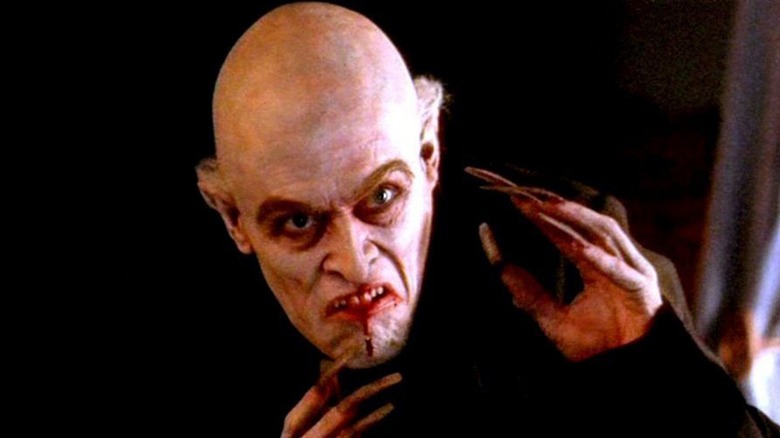
The Nosferatu project represents the convergence of everything Eggers has built. The film reunites him with Anya Taylor-Joy, bringing the director-actress relationship full circle from their shared debut in The Witch. It combines the period authenticity of his entire career with the commercial scale of The Northman. The horror intensity of The Witch. That creates a project that functions as both a creative summation. A commercial proposition strong enough to justify a budget that likely exceeds anything he has previously commanded. His compensation for Nosferatu, while not publicly disclosed, almost certainly represents the largest directing fee of his career. Reflecting both his proven track record and the project’s commercial potential.
The Longer Arc
The director economy that Eggers operates within is structurally different from the actor economy in ways that affect his net worth trajectory. Actors can appear in three to five films per year. Directors typically complete one film every two to four years. The per-project compensation for directors can be substantial, with A-list directors earning $5 million to $15 million per film. But the frequency is lower. This means the total annual income is often less than what comparably positioned actors earn. Eggers’ research-intensive process extends his development cycles beyond even the typical director’s timeline. This means his films are rare. Which makes them more valuable culturally but less valuable financially per unit of time. The trade-off is the trade-off of every artist whose commitment to quality constrains their output: the work is better. But there is less of it.
In Perspective
The director-as-brand phenomenon that Eggers represents has economic implications that extend beyond his personal net worth. When Robert Eggers’ name is attached to a project, the project attracts a specific audience. A specific level of critical attention. A specific set of production partners who want to be associated with his brand. This attraction reduces marketing costs, simplifies talent recruitment. And creates a halo effect that increases the project’s commercial viability before a single frame is shot. The brand is the moat. The moat is built from research. And the research, which would cost any imitator years of effort to replicate. Is the competitive advantage that ensures Eggers’ films occupy a market position that no competitor can challenge.
The Takeaway
The production design background is the hidden advantage that no other working director possesses to the same degree. Eggers does not hire a production designer and explain what he wants. He is the production designer. Or rather, he was one. And that training means he sees every set, every prop, every texture as narrative information rather than decoration. A candle on a table is not atmosphere. It is characterization. A crack in a wall is not aging. It is history. That granular attention to physical environment produces films that feel inhabited rather than constructed. Audiences sense the difference even when they cannot articulate what causes it.
The Takeaway
The commercial outlook for Eggers is strong precisely because his niche is uncontested. No other director makes historically rigorous genre films at this level. The closest competitors are working in adjacent spaces. Period dramas without horror. Horror without period authenticity. Eggers occupies the intersection alone. That monopoly position guarantees premium compensation for every future project. Studios and distributors know they cannot get this product from anyone else. Monopoly suppliers set their own prices. Eggers sets his.
You are reading this because you already understand something most people scroll right past. The intersection of culture, money, and taste is not a Venn diagram. It is a mirror. Social Life Magazine has spent 23 years holding that mirror up to the people who shape the Hamptons, Manhattan, and the corridors between them. If you see yourself in these pages, we should talk. Reach out at sociallifemagazine.com/contact.
If your brand, your launch, or your personal story belongs in front of 82,000 affluent readers and a digital audience that keeps growing, our editorial features are built for exactly that moment. Learn more at Submit a Paid Feature.
Our email list reaches 82,000 subscribers who actually open, read, and act. If your audience is high-net-worth, culturally engaged, and based between Park Avenue and Montauk, you are already in the right place. Join the list.
Polo Hamptons returns to Bridgehampton this July with 1,200 guests, Getty Images coverage, and seven years of BMW title sponsorship behind it. If your brand belongs in that conversation, visit polohamptons.com.
A print subscription to Social Life Magazine puts 25,000 copies per issue into the boutiques, lobbies, and living rooms where decisions get made, from Westhampton to Montauk every summer and Upper East Side doorman buildings for Fall and Winter. Subscribe at sociallifemagazine.com/subscription.
If this publication has added value to your world and you want to support independent luxury journalism, you can contribute directly at our donation page.
Author

Written by
Recent Posts
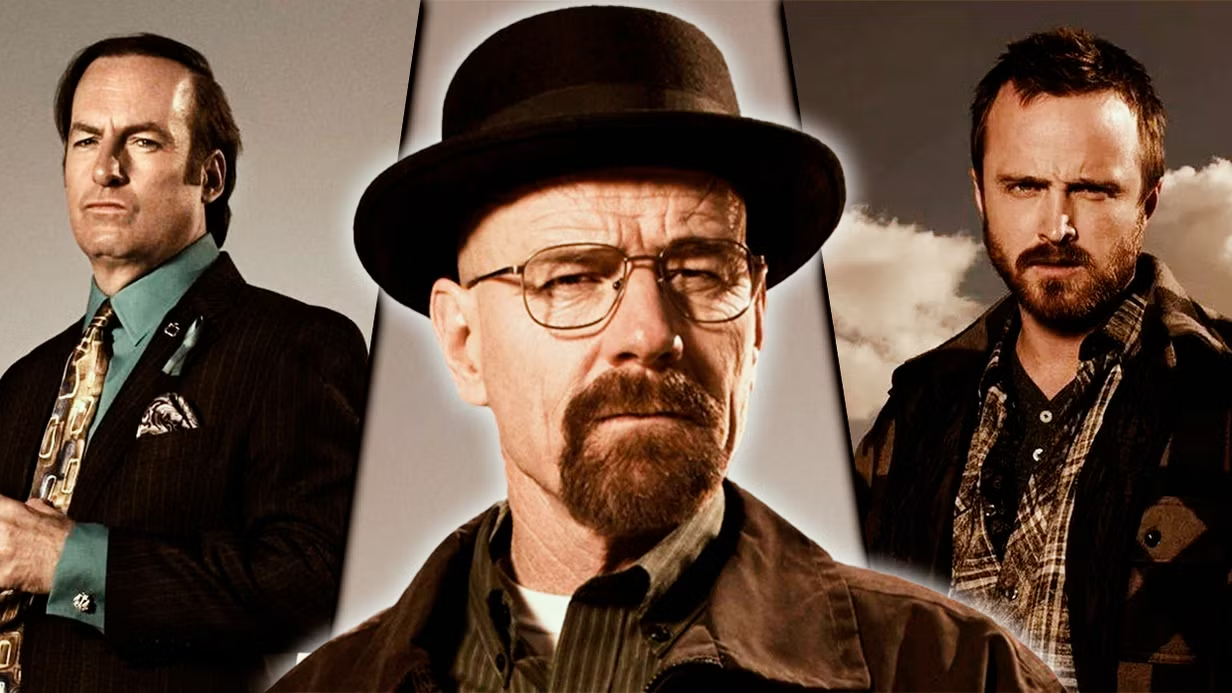
Breaking Bad Cast Net Worth. $130 Million Cooked in Five Seasons of Perfect Television

Cailee Spaeny Net Worth — From Springfield, Missouri to A24 and Alien in Three Years Flat

Wagner Moura Net Worth — He Learned Spanish to Play Escobar. Then He Learned English to Take Hollywood.

Robert Eggers Net Worth — He Made a $3.5 Million Film in Puritan English and Hollywood Listened

Brie Larson Net Worth — A $6 Million Indie Film Won Her an Oscar. Marvel Paid Her the Rest.
Categories
- Art
- Articles
- Beauty & Skincare
- Celebrities
- Celebrities|Movies
- Celebrities|The Chronicles
- Chronicles
- Entertainment|Culture
- Event Photos
- Events
- Fashion
- Fashion & Style
- Featured
- Food & Beverage
- Food, Spirits, Wine
- Hamptons
- Hamptons Celebrities
- Hamptons Celebrities|Celebrities|The Chronicles
- Health
- Health & Beauty
- Lifestyle
- Luxury Lifestyle
- Movies|Culture
- Movies|Hamptons Lifestyle
- Press
- Profiles
- Real Estate
- Technology
- The Chronicles
- Travel
- TV
- Uncategorized
- Weddings