
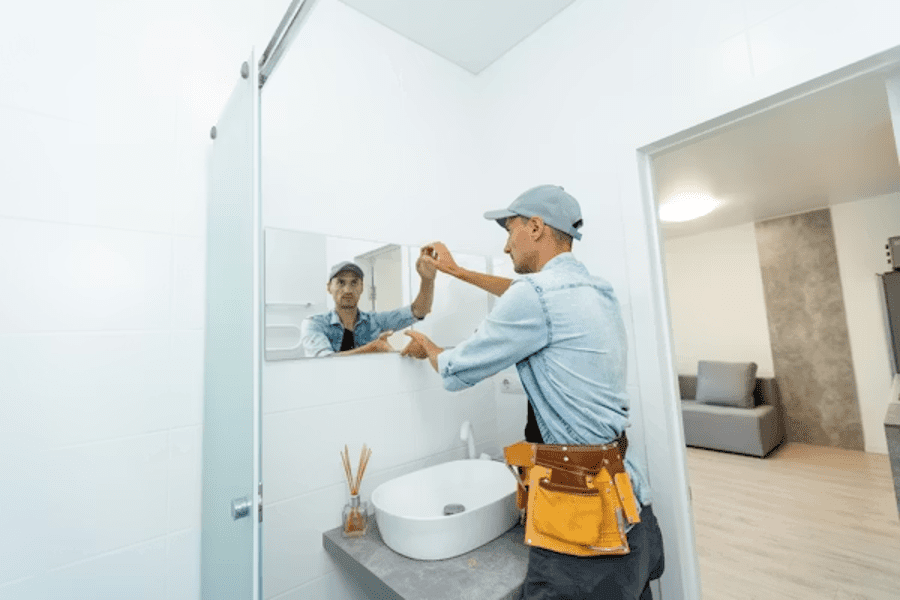
A plumbing system in a house is often among the most neglected systems, yet it is a very significant part of your day-to-day life. You turn on a faucet in the morning, have a warm shower in the evening, and are comfortable and well, but all the time, plumbing helps you. But it has much more to do with convenience.
Having a well-functioning plumbing system keeps your house in a secure position, preserves the health of your family, and maintains your comfort level all year round. In cases of plumbing problems, they can easily interfere with day-to-day activities and pose safety risks.
With an understanding of the fundamental importance of plumbing in ensuring the safety and comfort of the home, homeowners can make informed decisions that help avoid complications, increase their home’s efficiency, and provide a safe living environment.
1. Foundation of Daily Comfort
Fundamentally, plumbing involves the use of clean water and the disposal of waste. This process is smooth, and some of the things homeowners can do include cooking, cleaning, taking a bath, and maintaining cleanliness without any disruption.
All these daily activities can be experienced easily and safely when plumbing systems are properly functioning. However, as soon as something minor happens, such as low water pressure or a lack of constant hot water, the comfort is disrupted.
Additionally, contemporary plumbing is geared towards comfort-improving gadgets, such as water heaters, filtration systems, and efficient fixtures. These elements are combined to offer steady temperatures, clean water, and trouble-free operation.
Consequently, plumbing emerges as a silent yet essential component in a comfortable home setup, promoting everyday living.

2. Protecting Health Through Clean Water and Sanitation
Besides comfort, plumbing is a very important factor that ensures health protection in households. Clean drinking water is vital for drinking, cooking, and personal hygiene. Properly maintained plumbing systems help prevent contamination and keep the water safe for use.
On the other hand, pipes that are not well-maintained or those that are old may be a source of toxic substances or harbour bacteria in the water flow.
Correct elimination of wastewater is equally essential. Proper drainage systems will help avoid sewage overflows and standing water, both of which are potentially dangerous to Health.
Plumbing systems minimize contact with pathogens by safely removing waste outside the home, thereby reducing the risk of contamination. Thus, adequate plumbing has direct benefits to a healthy lifestyle and eliminates the chance of sickness due to the uncleanliness of water or poor sanitation.
3. Preventing Water Damage and Structural Risks
Although plumbing is installed to handle water safely, failure to maintain it may cause a massive loss of property. Water can leak through walls, floors, and foundations due to leaks, burst pipes, and faulty connections. This dampness loosens the structural elements over time, providing a habitat for mold.
Moreover, the damage caused by water is often not noticed until it becomes severe. Even a small leakage at the back of a wall can silently cause massive damage before it becomes noticeable.
Therefore, regular plumbing maintenance and prompt attention to the integrity of a home are required. Maintaining plumbing systems and ensuring they are in proper condition saves homeowners the burden of high-cost repairs and ensures that the environment in which they live is safe.

4. Supporting Fire Safety and Emergency Preparedness
Plumbing also contributes to fire safety, although it is often overlooked. Fire suppression systems, such as sprinkler systems, are maintained by water supply lines in numerous homes and buildings.
Provided that plumbing systems are correctly designed and maintained, they provide sufficient water pressure and flow in the event of an emergency.
Moreover, it is essential to know the location of the primary water shutoff valves and their purpose in the event of an emergency. During a large leak or burst pipe, cutting off the water as soon as possible is a way to prevent significant destruction and minimize risks.
Consequently, a properly maintained and serviced plumbing system leads to whole-house preparation and safety.
5. Enhancing Comfort Through Temperature Control
Plumbing systems are directly connected to the temperature control in the house, especially water heaters and the radiant heating system. Hot water should always be readily available, especially during cold seasons. Efficient water heaters not only offer intermittent temperatures but also constant temperatures.
Meanwhile, poorly maintained systems may be unable to meet demand, resulting in cold showers or uneven heating. In the long run, these issues compromise comfort and energy efficiency. Homeowners can enjoy a reliable warmth and a more comfortable day-to-day routine by ensuring that all the plumbing elements associated with temperature control are well-maintained.

6. Improving Indoor Air Quality and Humidity Balance
Plumbing also determines the level of humidity and the quality of indoor air. Moisture and leaks may create damp conditions that facilitate the proliferation of moulds and mildews. Such toxins not only harm construction materials but also affect the quality of the air, which can cause allergies or respiratory health problems.
Conversely, well-functioning plumbing ensures that humidity is well-controlled because moisture is not allowed to build up. Fitting drainage systems and pipelines is essential to maintain a well-maintained system, preventing unwanted water in living spaces.
Therefore, maintaining plumbing is a minor but significant contribution to clean air and a healthier indoor environment.
7. Promoting Energy Efficiency and Sustainable Living
Plumbing systems in modern houses are becoming more related to energy conservation and sustainability. Efficient water heaters, innovative plumbing technologies, and contemporary fixtures are also beneficial in minimizing water and energy use without compromising comfort. When plumbing systems are run efficiently, homeowners can experience lower utility costs and a reduced environmental impact.
Efficiency, however, requires appropriate installation and maintenance. Leakages, outdated equipment, and poor designs can result in the wastage of water and energy.
Homeowners contribute to sustainable living by ensuring the provision of professional plumbing care and upgrades, which retain the high level of comfort and safety.
8. Reducing Stress and Ensuring Peace of Mind
The physical benefits of having a sound plumbing system are not the only ones, as it is also a source of peace of mind. The fact that water courses flow where they are supposed to and drains function safely enables the people who live in the houses to go about their day-to-day lives without worrying daily.
Quite on the contrary, plumbing issues that recur constantly can be a source of stress and uncertainty.
Routine checks and timely maintenance minimize the chances of emergency occurrences. Consequently, the homeowners become confident about the infrastructure of their homes. This feeling of security also contributes to a sense of comfort, as the house is a place where a person can relax, rather than worrying about something.
Conclusion
Plumbing is not just a system of pipes placed behind walls, but a pillar of home comfort and security. Plumbing systems are involved in almost every aspect of everyday life, whether it is through the delivery of clean water and promoting hygiene, or preventing damage and improving indoor air quality. They are silent and dependable when well-maintained, increasing comfort while protecting health and property.
Author

Written by
Recent Posts

Chris Pontius Net Worth: The Man Who Survived Being Himself

Sandy Mahl Net Worth: The Woman Behind Garth Brooks Who Chose Silence

Tracey Walter Net Worth: The $3M Career Hidden in 200 Films

Stanley Livingston Net Worth: The $2M Exit Nobody in Hollywood Studied

Telma Hopkins Net Worth: The $4M Career Pivot Nobody Studied
Categories
- Art
- Articles
- Beauty & Skincare
- Celebrities
- Celebrities|The Chronicles
- celebrities|the-archive
- Chronicles
- Event Photos
- Events
- Fashion
- Fashion & Style
- Featured
- Food & Beverage
- Food, Spirits, Wine
- Hamptons
- Hamptons Celebrities
- Hamptons Celebrities|Celebrities|The Chronicles
- Health
- Health & Beauty
- Lifestyle
- Luxury Lifestyle
- Press
- Profiles
- Real Estate
- Technology
- The Chronicles
- Travel
- Uncategorized
- Weddings