
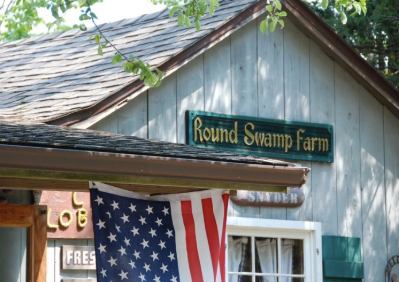
Where 300 Years of Hamptons Heritage Meets Your Summer Table
You smell the blueberry pie before you see the stand. It drifts across Three Mile Harbor Road like an olfactory lighthouse, guiding the initiated toward something that transcends mere commerce. Round Swamp Farm doesn’t announce itself with signage excess or Instagram desperation. Instead, it beckons with the confidence of three centuries’ worth of feeding the East End’s most discerning palates. For nine generations, the Lester family has worked this 16-acre parcel of National Bicentennial Farm, transforming what began as a child’s red wagon piled with cucumbers into a multimillion-dollar institution that Martha Stewart, Hillary Clinton, and the entire power structure of Hamptons summer society now consider essential.
The Origin Story: A Girl, A Red Wagon, and 250 Years of Family Land
The Founding Moment
In 1966, twenty-one-year-old Carolyn Lester Snyder commandeered her grandmother Winifred’s old kitchen table and positioned it beneath the five chestnut trees surrounding the nearly 300-year-old Lester homestead. She called her modest enterprise “The Girls.” Meanwhile, her inventory consisted entirely of whatever strawberries the family’s land produced that week. The following year, her father Albert constructed something more permanent: a small red stand on wheels. Consequently, this humble contraption became the foundation of an East End empire.
The Lester Legacy
The family’s connection to this land predates the American Revolution by half a century. John Lester arrived from Connecticut in 1721 and began farming the property’s then-150 acres. Subsequently, every generation since has maintained an unbroken chain of stewardship over what the New York State Agricultural Society formally designated a National Bicentennial Farm—an honor reserved for properties in continuous family operation for more than two centuries. Furthermore, the Round Swamp Cemetery, just six houses away, holds eight generations of Lesters in its quiet earth.
The Early Years
Progress came slowly. Carolyn and her daughter Lisa would sit beneath the trees all day, waiting for a single car to stop. “If a car actually stopped, it was a big deal,” Lisa recalled. “They probably felt sorry for us.” Nevertheless, one triumphant week yielded $300 in crumpled bills and coins—enough to convince the family that something viable existed here. By 1974, they took the gamble that would define their future: pooling resources to build an actual storefront on land their ancestors had worked since the colonial era.
The Transformation: From Roadside Stand to Hamptons Institution
Harold Snyder and the Fisher-Farmer Way
The turning point arrived through marriage. Carolyn met Harold Snyder at East Hampton High School—”one of the best-looking guys in school,” she recalled. The couple married when she was seventeen. Harold’s family possessed the same dual heritage as the Lesters: farmers and fishermen both. Consequently, their union created the foundation for Round Swamp’s defining tagline: “Farmers of Land and Sea.” It remains a claim only this family can legitimately make.
When Carolyn’s father died in 1968, Harold transitioned from commercial fishing to farming full-time. However, he never abandoned the water entirely. His pound traps off Sammy’s Beach and Gardiner’s Island supplied the fish market that became integral to Round Swamp’s identity. Additionally, he named every boat he owned “Swamper”—a testament to where his heart truly lived.
The Crisis That Defined Everything
July 31, 2005. A Sunday afternoon. Round Swamp had just closed for the day. Harold drove his green Ford pickup along the farm’s perimeter when a heart attack struck without warning. He drove over an embankment. His grandson Steven, an East Hampton Village police officer, was among the first responders. More than 1,000 people filled St. Luke’s Episcopal Church for his memorial.
Stuart Vorpahl, a lifetime bayman and passionate advocate for local fishermen, delivered words that still resonate: “Harold Snyder was about the last person who truly represented what this place was all about. At the beginning, everyone out here was either a fisherman or a farmer. Harold was both—and he was the last one.”
The Innovation That Ensured Survival
Following Harold’s death, Charlie Niggles—Lisa’s husband—stepped into the dual role of fisher-farmer. A Wainscott potato farm veteran and former I.G.A. butcher, Charlie possessed the hybrid skills the operation demanded. “I think he only married me to get to my father,” Lisa joked. Nevertheless, his transition proved seamless. Moreover, his perfectionism matched the family’s exacting standards.
Charlie plans 60 to 90 days out, thinking in April about tomatoes that won’t appear until August. “When it rains, I can fish,” he explained. “And when it’s windy, I can work on the farm.” This ancient rhythm—reading weather for opportunity rather than obstacle—represents exactly what Vorpahl mourned and what Round Swamp refuses to surrender.
What Makes Round Swamp Farm Truly Iconic
The Signature Elements
Walk through the doors, and the assault on your senses begins immediately. Crumb-topped pies line the shelves in regiments. Cinnamon rolls glow under careful lighting. Hefty containers of seven-layer Mexican dip promise effortless entertaining. During peak summer season, Round Swamp moves hundreds of pies daily. Last season alone, they processed 36,612 pints of local blueberries and 31,889 pounds of local peaches. Furthermore, between 60 and 75 prepared dishes rotate through the kitchen each week.
“Shelly is my Julia Child—she cooks like her, makes a mess like her, and drinks red wine like her,” Carolyn observed of her younger daughter. “Lisa is my Martha Stewart and a total perfectionist. Claire, my sister, is my Betty Crocker. I’m just the color coordinator.”
The Famous Customers and Defining Moments
Martha Stewart featured the market on television. Hillary Clinton wrote a warm letter after her visit. The New York Times has called repeatedly, only to be politely declined. “We get all the business we need by word of mouth,” Carolyn explained. Indeed, investment banker Kenneth Lipper, a customer since 1973, captured the phenomenon precisely: “No matter how isolated you feel otherwise, you feel part of something bigger when you walk in there.”
What Locals Know That Tourists Don’t
Arrive at 8 a.m. The Saturday morning rush transforms the space into controlled chaos, with lines snaking through the store and out the door. However, early birds secure first selection of still-warm baked goods. Furthermore, Lisa’s chocolate chip cookies—which she began making with a hand mixer at age eleven—disappear by noon. Claire’s lemon pound cake, requiring 44 eggs, 27 cups of flour, and a secret juice ingredient per batch, sells out faster. The cognoscenti know: the yellow grosgrain ribbon identifies banana bread.
The Round Swamp Farm Experience Today
What to Order
The Insider’s Take: Begin with the blueberry crumb pie—arguably the finest on Long Island. The lobster salad represents serious local seafood handled with respect. For entertaining, the curried chicken salad and Dijon potato salad require zero apology. The guacamole and seven-layer Mexican dip have fueled countless successful dinner parties where hosts took full credit.
Additionally, Shelly’s namesake lemonade, juices, and teas exist nowhere else. They carry the same spirited personality as their creator. For breakfast provisions, the blueberry muffins and pecan sticky rolls transform house guests into loyal return visitors.
When to Go
The East Hampton flagship operates from early May through Thanksgiving weekend. Moreover, the Bridgehampton outpost—run by Carolyn’s grandson Brian Niggles since 2014—offers an alternative for those who find the original’s success overwhelming. The Montauk location, positioned near the Beach House, serves the surfside crowd with the same family standards.
For optimal experience, arrive weekday mornings. The Saturday ritual possesses its own appeal—watching the social mechanics of Hamptons summer unfold in the queue—but selection suffers. After Labor Day, business drops 75 percent. Suddenly, you can linger. The counter help might actually chat.
The Insider Move
Request Charlie Niggles’s latest catch. The fish market operates with whatever the pound traps and inshore fishing yield that day. Consequently, flexibility rewards the adventurous. Furthermore, seasonal produce from the 16 acres out back—tomatoes, lettuce, corn, zucchini, kale, arugula, beets, carrots, potatoes, radishes—carries flavor intensity that supermarket supply chains destroy. Every ear, spud, and head gets picked by hand.
The Legacy: Why Round Swamp Farm Endures
Influence on Hamptons Culture
Round Swamp solved a problem the East End didn’t know it had. Before prepared foods became normalized, before “gourmet to-go” entered the vocabulary, the Lester women recognized that Hamptons entertaining required effort most visitors couldn’t sustain. They offered a solution that preserved hosting dignity while eliminating kitchen panic. Consequently, entire generations of summer people learned to cook for twenty by learning to shop here.
The prepared-food phenomenon they pioneered has spawned imitators across the South Fork. Nevertheless, none possess what Round Swamp embodies: authentic generational continuity, actual working agricultural operations, and the moral authority that comes from feeding a community since before America existed as a nation.
Why Round Swamp Will Survive Another Three Centuries
Brian Niggles—the ninth generation—began working at five years old, carrying empty baskets and sweeping crumbs. He studied economics at NYU, then returned. His Bridgehampton store matched the flagship’s profits within two years. His brother Steven, the police officer, maintains beehives that produce honey for the family. His brother Tommy enlisted in the Navy. His brother Jim works the fields.
“My ideas are the oldest and the rightest,” Carolyn observed at 71, acknowledging that her moment of stepping back had arrived. However, her presence still haunts the operation—straightening shelves at 3 a.m., cracking eggs for the morning’s pies, ensuring that every detail meets standards forged over a lifetime of 90-hour summer weeks.
“I hope Round Swamp will be here in 50 years, for the next generation and the generation after that,” she reflected. “I just hope Round Swamp will be here forever and ever.”
The land has been in the family since 1721. The tenth generation already knows how to work it. The math suggests she’s going to get her wish.
Continue Your Hamptons Journey
- Feature & Partnership Inquiries
- Polo Hamptons Tickets & Sponsorships
- Join Our Email List
- Subscribe to Print Edition
- Support Social Life Magazine
Related Articles
Author

Written by
Recent Posts

Hereditary A24 Cast Net Worth — The $10 Million Horror Film That Changed What Fear Is Worth

Civil War A24 Cast Net Worth — A24 Bet $50 Million on the End of America and Won
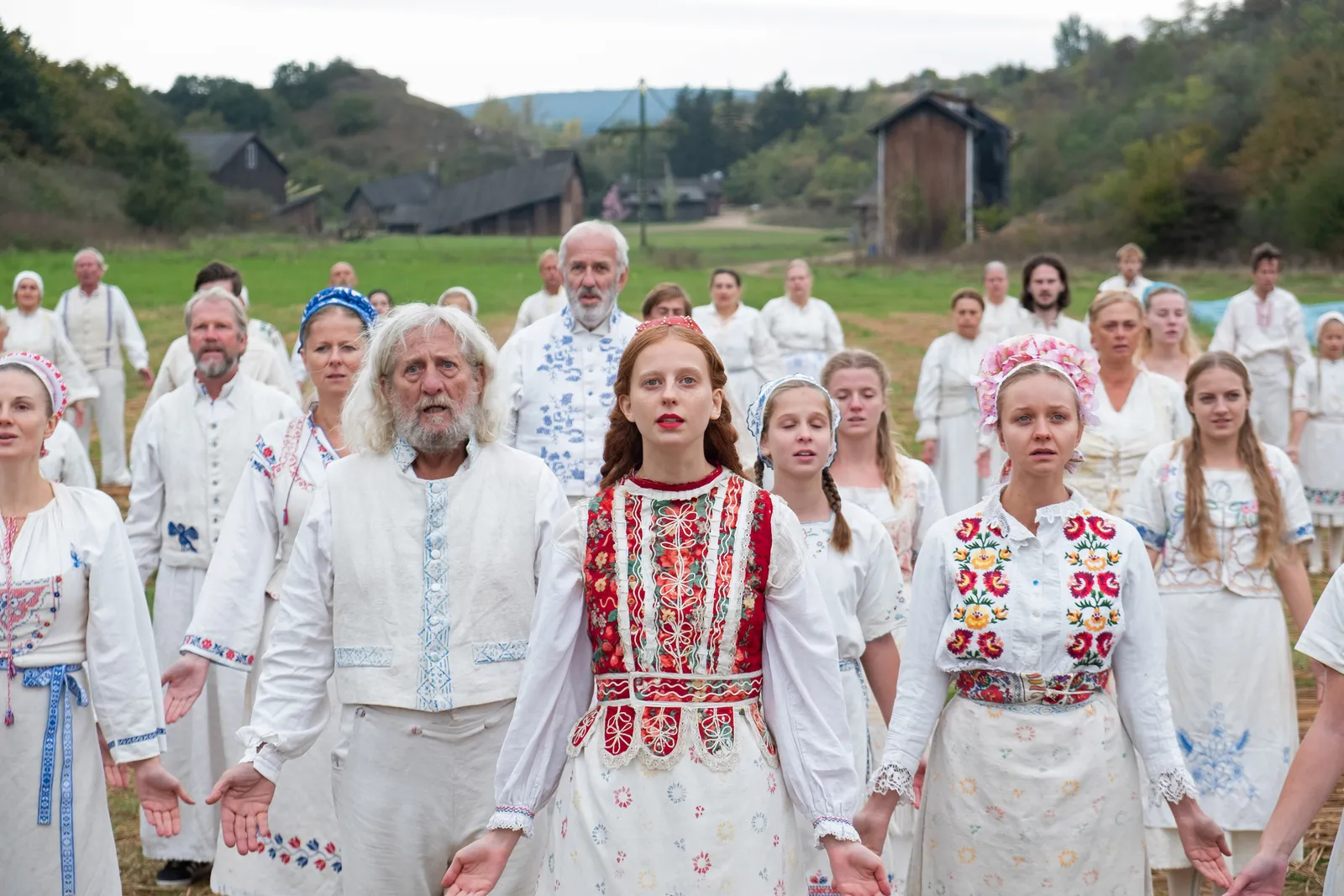
Midsommar A24 Cast Net Worth — The Daylight Horror That Turned Grief Into a Career Launchpad
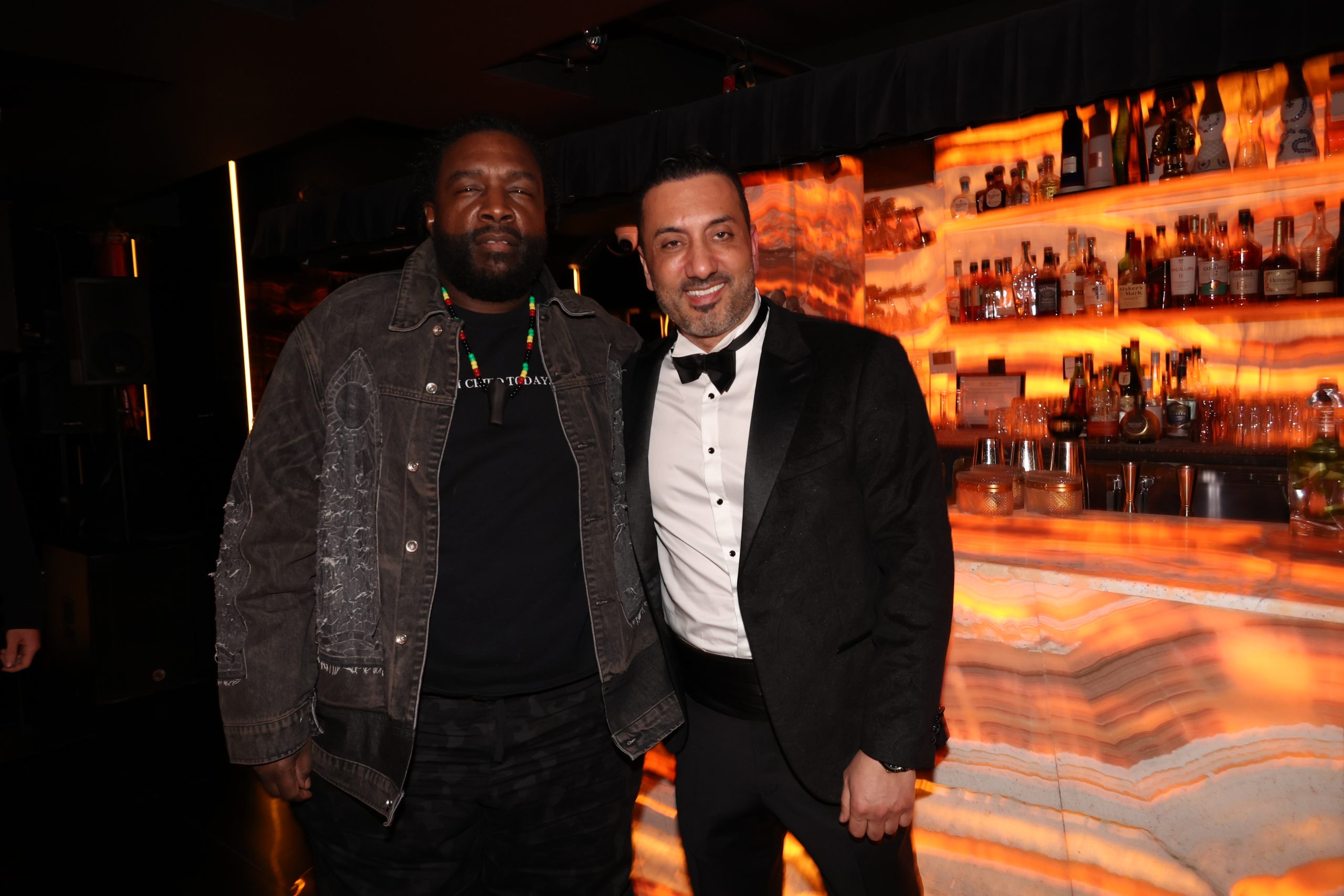
ZOI NOMAD & TEN11 LOUNGE MARK ONE YEAR
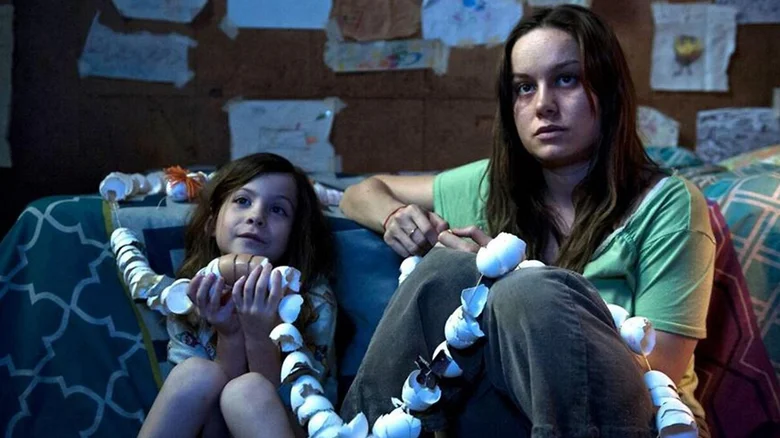
Room A24 Cast Net Worth — The $6 Million Captivity Drama That Set Brie Larson Free
Categories
- Art
- Articles
- Beauty & Skincare
- Celebrities
- Celebrities|Movies
- Celebrities|The Chronicles
- Chronicles
- Entertainment|Culture
- Event Photos
- Events
- Fashion
- Fashion & Style
- Featured
- Food & Beverage
- Food, Spirits, Wine
- Hamptons
- Hamptons Celebrities
- Hamptons Celebrities|Celebrities|The Chronicles
- Health
- Health & Beauty
- Lifestyle
- Luxury Lifestyle
- Movies
- Movies|Culture
- Movies|Hamptons Lifestyle
- Press
- Profiles
- Real Estate
- Technology
- The Chronicles
- Travel
- Uncategorized
- Weddings