
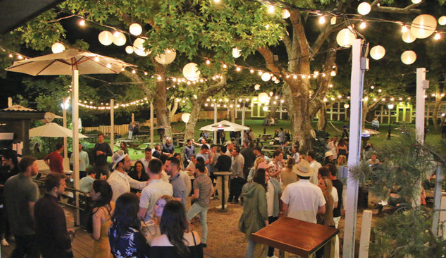
The pool had been drained for decades. Nevertheless, on a summer evening in 2011, it was packed—not with water, but with sand, ping-pong tables, and three hundred people dancing to DJ sets under paper lanterns. Meanwhile, just across the lawn, Fort Pond reflected the last ribbons of sunset while waiters in Tom’s boat shoes delivered rum cocktails to picnic tables scattered beneath century-old trees. Consequently, anyone who witnessed that opening weekend understood immediately: Ruschmeyer’s Montauk wasn’t just reopening. It was reinventing what a Hamptons night could be.
The Origin Story: From Fish Camp to Forgotten Gem
The Ruschmeyer Family Vision
In 1952, the Ruschmeyer family purchased three wooded acres on Fort Pond’s northwestern shore. Furthermore, they built something unusual for the era: a rustic, nautical-themed summer camp complete with 19 guest cabins, a central restaurant, and a swimming pool. The concept was simple yet ahead of its time. Families could escape to Montauk’s wild edge without sacrificing creature comforts. Additionally, the camp’s position on the freshwater pond—rather than the ocean—provided a quieter alternative to the surf-battered beaches a mile south.
For decades, Ruschmeyer’s operated as a beloved seasonal retreat. The cabins encircled a central lawn where children played and adults gathered for evening cocktails. Moreover, the property developed a devoted following among New Yorkers seeking authentic Montauk character over manicured Hamptons pretense. However, like many family businesses, successive generations eventually chose different paths.
The Second House Tavern Years
When the Ruschmeyer family sold the property, it became known as Second House Tavern. Subsequently, the establishment shifted from family retreat to local watering hole. The cabins fell into disrepair while the restaurant served a dwindling clientele. By the late 2000s, the property had become almost invisible. Indeed, most Montauk visitors drove past without a second glance, unaware of the dormant potential hiding behind those overgrown hedges.
The Ruschmeyer name disappeared from maps, yet the bones of something special remained. Three acres of mature woodland. A pristine pond frontage. Nineteen structures waiting for reimagination. Consequently, when the right visionaries finally arrived, they found a canvas rather than a ruin.
The Transformation: How Boutique Hoteliers Created a Cultural Phenomenon
The King & Grove Acquisition
In April 2011, a partnership formed that would reshape Montauk’s nightlife permanently. SK Development joined forces with hotel developers Ed Scheetz—the former Hard Rock investor—and Robert McKinley, the creative force behind Montauk’s Surf Lodge. Together, they purchased the forgotten Second House Tavern and announced plans to resurrect its original identity. Furthermore, they intended to transform it into something unprecedented: an adult summer camp for well-heeled New Yorkers.
McKinley’s involvement proved particularly significant. His design work at Surf Lodge had already demonstrated an ability to capture Montauk’s bohemian spirit while attracting Manhattan’s fashion-forward crowd. Nevertheless, Ruschmeyer’s Montauk offered different possibilities. The pond-side location provided natural insulation from the ocean crowds. Additionally, the sprawling lawn created opportunities for communal gathering impossible at more constrained waterfront venues.
Robert McKinley’s Design Philosophy
McKinley approached the renovation with surgical restraint. Rather than demolishing and rebuilding, he preserved the property’s essential character while adding contemporary touches. The pool transformed into a sand-floored beer garden complete with thatched umbrellas and bocce courts. Meanwhile, the original cabins received updates—Frette linens, flat-screen televisions, iPod docks—without sacrificing their summer-camp nostalgia.
The designer described his vision as capturing a “Dirty Dancing kind of feel.” Paper lanterns hung from trees throughout the Magic Garden lawn. Hammocks appeared between cabins. Fire pits dotted the communal spaces. Consequently, every design choice reinforced a singular message: this was a place for connection, not isolation. The result felt simultaneously nostalgic and completely new.
Culinary Credentials and the Restaurant Revival
Understanding that food would define the experience, the new owners recruited the team behind Manhattan’s The Smile and The Fat Radish. Ben Towill and Phil Winser brought Lower East Side farm-to-table sensibility to Montauk’s freshest ingredients. The restaurant featured pine-wood booths divided by slatted partitions, Japanese-style lanterns casting warm light, and a menu that evolved daily based on what local fishermen brought to dock.
The signature Montauk white clam pizza became legendary almost immediately. Furthermore, dishes like green monkfish curry demonstrated that Ruschmeyer’s Montauk wasn’t merely serving beach-bar fare. Instead, it was offering culinary experiences that rivaled anything in Manhattan—just with your feet in the sand.
What Makes Ruschmeyer’s Montauk Iconic
The Electric Eel and Nightlife Revolution
Perhaps no element defined Ruschmeyer’s Montauk’s cultural impact more than the Electric Eel. This late-night bar delivered “endless nights of dancing and classic maritime cocktails,” attracting DJs who would later headline festivals worldwide. Chelsea Leyland spun opening weekend. Subsequently, the venue hosted performances by Willie Nelson, Courtney Love, and Sky Ferreira on its deck overlooking Fort Pond.
The Electric Eel operated on different rules than typical Hamptons nightlife. There was no dress code, no velvet rope mentality, no bottle-service hierarchy. Instead, locals mingled with celebrities while surfers shared drinks with fashion editors. Consequently, Ruschmeyer’s Montauk became the great equalizer—a place where social boundaries dissolved under paper lanterns and rum cocktails.
Celebrity Magnetism and Cultural Capital
Word spread quickly through Manhattan’s creative circles. Naomi Watts became a regular. Fashion photographers documented the scene for European magazines. Additionally, the property developed a reputation as the antidote to Hamptons stuffiness. Where Southampton and East Hampton enforced unwritten dress codes and social hierarchies, Ruschmeyer’s Montauk welcomed anyone willing to embrace its summer-camp spirit.
The property earned the nickname “adult summer camp” almost immediately. This wasn’t marketing speak—it was accurate description. Guests played ping-pong in the converted pool. They gathered around fire pits for late-night conversations. Furthermore, they woke to complimentary breakfasts of creamy yogurt, dense granola, and fresh berries served until noon. The accommodations mattered less than the experience.
The Magic Garden and Communal Design
The central lawn—dubbed the Magic Garden—represented McKinley’s most inspired innovation. Picnic tables scattered beneath mature trees created natural gathering spots. Hammocks hung between cabins invited afternoon naps. Grills stood ready for spontaneous cookouts. Consequently, strangers became friends simply by proximity and shared circumstance.
This communal design philosophy distinguished Ruschmeyer’s Montauk from conventional hotels. Private rooms existed, certainly, but they functioned as sleeping quarters rather than destinations. The real life happened outdoors—on the lawn, around fire pits, in the converted pool, at the restaurant’s long communal tables. Therefore, every architectural decision pushed guests toward connection.
Evolution and Ownership Changes
The Chelsea Hotels Era
By 2017, after six seasons of legendary parties and sold-out summer weekends, Ruschmeyer’s changed hands. The property had been on the market for two years, and Ed Scheetz’s Chelsea Hotels had moved on to other ventures. A new private owner—who preferred anonymity—acquired the 3.23-acre property for an undisclosed sum. Subsequently, Peter Litvinenko’s Work | Eat | Play group assumed operations.
“We’d like to restore relations with the town,” Litvinenko announced. Furthermore, he emphasized intentions to transform Ruschmeyer’s Montauk into a “creative retreat” honoring the artistic legacy of Montauk’s past—when Mick Jagger wrote “Memory Motel” nearby and Andy Warhol maintained his compound just down the road.
New Management and the Placēbō Era
The property continued evolving through subsequent seasons. In 2024, El Grupo SN—the hospitality group behind Manhattan’s 9 Jones and Somewhere Nowhere—assumed management. Nathan Leong and Sameer Quereshi introduced Placēbō, a restaurant concept drawing on Leong’s Puerto Rican heritage with influences from Taíno culture to El Yunque’s rainforests. Additionally, the new team promised to blend “Montauk charm with NYC-style hospitality.”
Nevertheless, the property’s essential character remained intact. The 19 cabins still encircled that iconic lawn. Fort Pond still reflected sunset light. The converted pool still hosted late-night revelry. Each ownership transition added layers without erasing history.
The Bridgeton Revival: Ruschmeyer’s Montauk Reborn
2025 Transformation
June 2025 marked Ruschmeyer’s most significant reinvention since the 2011 reopening. Bridgeton—the boutique hospitality group behind Marram Montauk and Journey East Hampton—unveiled a comprehensive relaunch positioning the property as a “sanctuary for creative restoration and shared experience.” Atit Jariwala, Bridgeton’s CEO, brought experience transforming overlooked properties into design-forward destinations.
The renovation team included Brian Smith of Scribner’s Catskill Lodge and Whitney Clark, who had shaped both Marram and Dawn Ranch. Together, they created spaces that evoke artist bungalows rather than conventional hotel rooms. Parachute linens, Bauhaus-style tubular steel loungers, Isamu Noguchi lanterns, and Donald Judd-inspired desks fill the reimagined cabins. Furthermore, ceilings painted in energizing green establish an aesthetic that feels “tactile, lived-in, and creative.”
The Grill and The Lounge
Chef Jordan Heissenberger—whose resume includes Buvette, Walter’s, Rucola, and Apollonia—now helms The Grill at Ruschmeyer’s. The menu celebrates “bold coastal flavors and summer grill favorites,” featuring seafood towers, charred lamb ribs, grilled lobster, and vegetables kissed by open flame. Additionally, the emphasis on fresh East End ingredients continues the farm-to-table legacy established in 2011.
As sunset arrives, The Lounge takes over. Curated by the team from GOSPËL, this cocktail venue brings “bold energy, inventive drinks, and a soundtrack to carry the night.” The communal philosophy persists: fire pits dot the expansive lawn, creating gathering spaces where “effortless summer moments turn strangers into friends.”
Experience Ruschmeyer’s Montauk Today
What to Expect
Today’s Ruschmeyer’s Montauk offers 19 cabins ranging from cozy single rooms to spacious family suites. Each space blends rustic wood textures with whimsical vintage accents, reflecting Montauk’s carefree spirit while providing modern amenities. Private patios with director’s chairs invite afternoon lounging. Meanwhile, bathrooms feature brass fixtures and sail flag installations nodding to the area’s maritime heritage.
The property operates as a full-service hotel, departing from earlier incarnations that prioritized nightlife over hospitality. Continental breakfast is included. Pets are typically welcomed. Furthermore, the location—0.7 miles from downtown Montauk and minutes from Kirk Park Beach—provides easy access to everything the village offers.
The Insider Move
Book midweek for the authentic experience. Weekend crowds can overwhelm the Magic Garden’s contemplative charm. However, Tuesday through Thursday evenings reveal Ruschmeyer’s Montauk as its creators intended: a communal haven where fire pit conversations stretch past midnight and the only soundtrack is pond water lapping against the shore. Additionally, arrive before sunset to claim a prime lawn position for the golden hour that transforms Fort Pond into liquid amber.
For dining, request a table with pond views and begin with whatever seafood tower the kitchen has assembled that day. The grilled lobster justifies the splurge. Furthermore, don’t skip The Lounge after dinner—the cocktail program under GOSPËL’s direction merits serious attention.
The Legacy: Why Ruschmeyer’s Montauk Endures
Influence on Hamptons Culture
Ruschmeyer’s Montauk proved that the Hamptons could accommodate alternative visions of luxury. Before 2011, the region’s hospitality landscape divided neatly between ocean-facing resorts like Gurney’s and understated inns like the American Hotel. The concept of a “hipster party playground” with bunk-bed cabins and sand-floored bars simply didn’t exist. Subsequently, the property’s success inspired a wave of experiential hospitality ventures throughout the East End.
The Surf Lodge had pioneered Montauk’s nightlife renaissance, but Ruschmeyer’s Montauk democratized it. The property demonstrated that premium experiences could emerge from communal design rather than exclusive access. Consequently, a generation of hospitality entrepreneurs learned that authenticity—messy, unpredictable, social authenticity—could command prices as high as traditional luxury markers.
Why It Endures
Across seven decades and numerous ownership transitions, Ruschmeyer’s Montauk has retained its essential identity. The cabins still circle that lawn. Fort Pond still provides the backdrop. The converted pool still pulses with energy. Consequently, each new steward has understood something the Ruschmeyer family recognized in 1952: this particular patch of Montauk earth possesses an intangible quality that rewards preservation over transformation.
The property endures because it solves a problem that perpetually vexes the Hamptons elite: how to feel special without performing exclusivity. At Ruschmeyer’s Montauk, status derives from presence rather than access. Everyone shares the same lawn, the same fire pits, the same sunset views. Furthermore, that democratic spirit—combined with genuinely excellent food, drink, and design—creates experiences that no amount of bottle service can replicate.
Whether you’re discovering Ruschmeyer’s Montauk for the first time or returning after years away, the property continues delivering what its founders recognized seven decades ago: Montauk’s wild edge, made comfortable without being tamed.
Continue Your Hamptons Journey
- Feature & Partnership Inquiries
- Polo Hamptons Tickets & Sponsorships
- Join Our Email List
- Subscribe to Print Edition
- Support Social Life Magazine
Related Articles
- Guide to Montauk Restaurants: Discover Hidden Gems
- Best Montauk Hotels for a Perfect Getaway
- Insider’s Guide to Montauk: Discover Hidden Gems
Author
Written by
Recent Posts
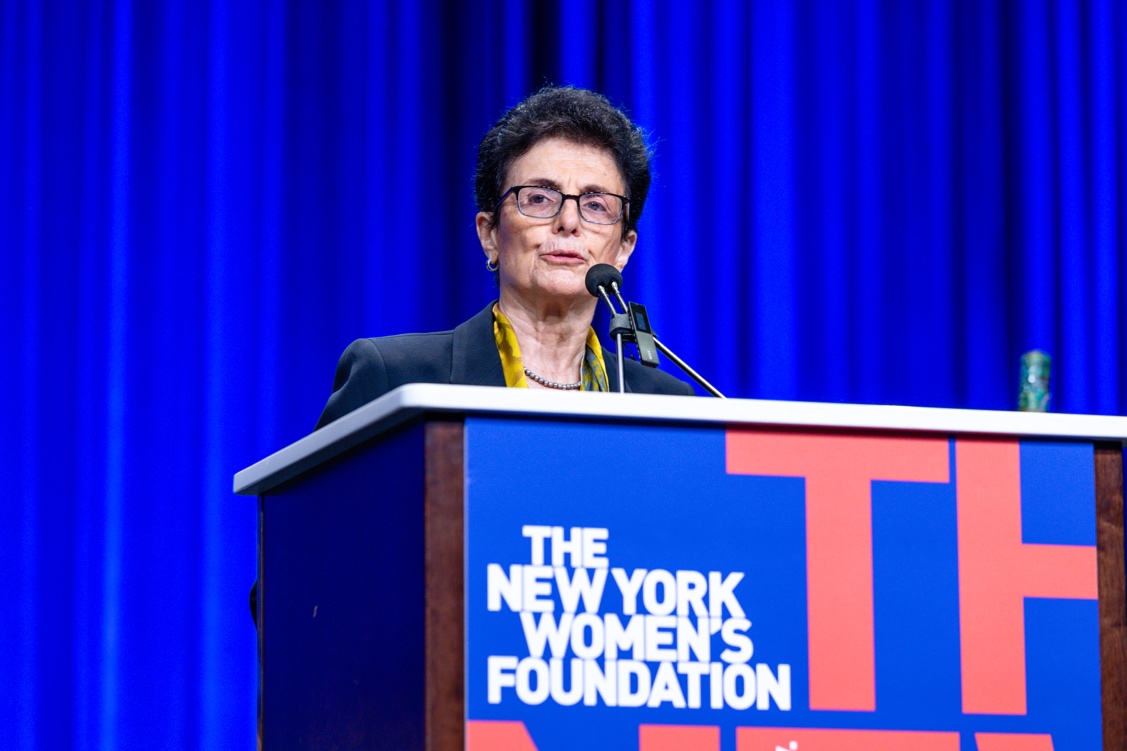
Ana L. Oliveira, President and CEO of The New York Women’s Foundation, Announces Her Decision to Step Down After 20 Years of Transformational Leadership and Service
What to Expect From a Professional Interior Design Service
Why Gallery Visits Expand Your Creative Perspective
Important Things to Know Before Getting Fine Line Tattoos
6 Comfort Upgrades That Transform Temporary Workspaces
Categories
- Art
- Articles
- Beauty & Skincare
- Celebrities
- Celebrities|Entertainment
- Celebrities|Television
- Celebrities|The Chronicles
- celebrities|the-archive
- Chronicles
- Entertainment|Culture
- Event Photos
- Events
- Fashion
- Fashion & Style
- Featured
- Food & Beverage
- Food, Spirits, Wine
- Hamptons
- Hamptons Celebrities
- Hamptons Celebrities|Celebrities|The Chronicles
- Health
- Health & Beauty
- Lifestyle
- Luxury Lifestyle
- Movies
- Press
- Profiles
- Real Estate
- Technology
- The Chronicles
- Travel
- Uncategorized
- Weddings