
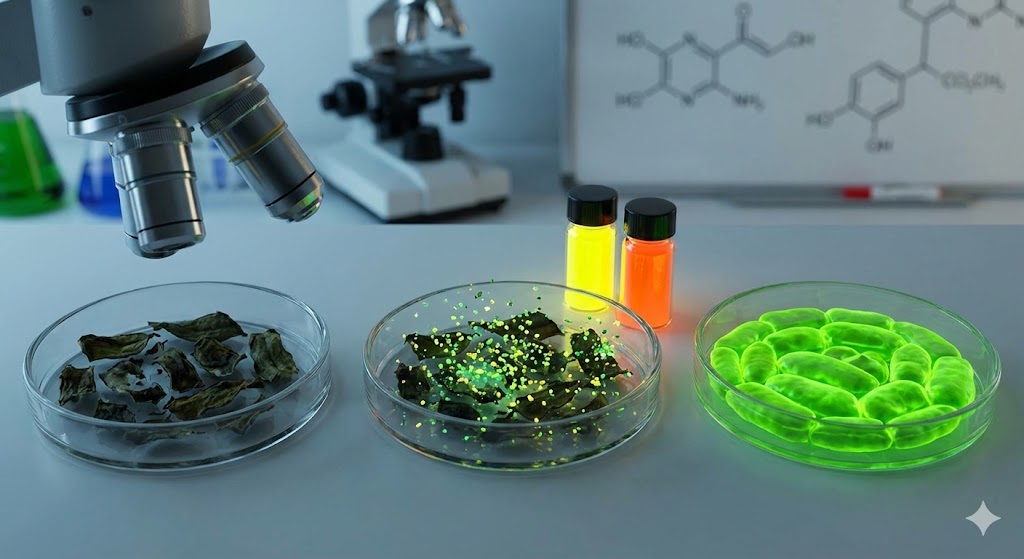
Senolytics represent one of the most exciting developments in longevity science—compounds that selectively destroy “zombie cells” accumulating in aging tissues. These senescent cells stop dividing but refuse to die, secreting inflammatory signals that damage surrounding healthy cells and accelerate aging. By clearing them, senolytics may address a fundamental driver of age-related decline.
The concept emerged from groundbreaking research at Mayo Clinic, where scientists demonstrated that eliminating senescent cells extended healthspan and lifespan in mice. Subsequent studies identified natural compounds like fisetin and quercetin that possess senolytic activity, bringing this intervention within reach of anyone willing to experiment.
This guide examines how senolytics work, which compounds show promise, what the research actually demonstrates, and how to approach this emerging intervention responsibly. We separate genuine scientific advances from premature enthusiasm—because longevity decisions deserve precision over hype.
What Are Senolytics and How Do They Work?
Senolytics are compounds that selectively induce death in senescent cells while sparing healthy ones. The term combines “senescence” (cellular aging) with “lytic” (destroying). Unlike interventions that slow aging processes, senolytics actively remove accumulated cellular damage—essentially cleaning house at the tissue level.
Senescent cells accumulate throughout life as a consequence of stress, damage, and normal aging. While cellular senescence originally evolved as a tumor-suppression mechanism—stopping damaged cells from dividing—these cells become problematic when they persist. Their inflammatory secretions, called the senescence-associated secretory phenotype (SASP), create a toxic microenvironment that ages surrounding tissues.
Research published in Nature Medicine demonstrated that senescent cells comprise only a small fraction of total cells—often just 1-2%—yet exert outsized effects on tissue function. Removing them produces disproportionate benefits precisely because their inflammatory influence extends far beyond their numbers.
Senolytics work by exploiting vulnerabilities specific to senescent cells. These cells rely on anti-apoptotic pathways (survival signals) that healthy cells don’t need as strongly. Compounds that inhibit these pathways push senescent cells toward programmed death while leaving normal cells unaffected. Consequently, senolytics can clear accumulated damage without harming healthy tissue.
The Science of Senescent Cells
Understanding why senescent cells matter clarifies why eliminating them could transform aging medicine. These cells aren’t merely inactive—they’re actively harmful in ways that compound over time.
How Senescent Cells Form
Cells become senescent through various triggers: DNA damage, telomere shortening, oxidative stress, and oncogene activation. When these insults occur, cells face a choice—die, repair the damage, or enter senescence. Senescence represents a compromise that prevents damaged cells from becoming cancerous while keeping them metabolically active.
Young bodies efficiently clear senescent cells through immune surveillance. Macrophages and natural killer cells identify and eliminate them before they accumulate. However, this clearance mechanism deteriorates with age. Consequently, senescent cells progressively build up in tissues, creating the biological burden that senolytics aim to address.
The SASP Problem
Senescent cells would be relatively harmless if they simply sat quietly. Instead, they actively secrete dozens of inflammatory cytokines, growth factors, and proteases—collectively called the SASP. This secretory profile transforms senescent cells from passive bystanders into active drivers of tissue dysfunction.
SASP factors spread senescence to neighboring cells, creating a contagious effect that accelerates tissue aging. They promote chronic inflammation, impair stem cell function, degrade tissue structure, and may even facilitate cancer development. Essentially, senescent cells poison their environment while refusing to die.
Research demonstrates that transplanting senescent cells into young mice causes physical dysfunction and reduced lifespan. Conversely, eliminating senescent cells from old mice improves physical function and extends healthy lifespan. These experiments establish causation—senescent cells don’t just correlate with aging; they actively cause it.
Major Senolytic Compounds
Several compounds demonstrate senolytic activity, ranging from natural supplements to pharmaceutical drugs. Each has different potency, accessibility, and evidence backing.
Fisetin
Fisetin is a flavonoid found in strawberries, apples, and other fruits that has emerged as perhaps the most promising natural senolytic. Research from Mayo Clinic identified fisetin as more potent than quercetin in clearing senescent cells, generating significant interest in the longevity community.
Studies published in EBioMedicine demonstrated that fisetin extended median and maximum lifespan in mice even when treatment began late in life. Importantly, it reduced senescent cell markers and improved tissue function across multiple organ systems. These findings suggest therapeutic potential even for older individuals with substantial senescent cell accumulation.
Fisetin’s advantages include availability as an over-the-counter supplement, relatively low cost, and favorable safety profile based on its presence in common foods. However, human clinical trials remain limited, and optimal dosing protocols haven’t been established through rigorous research.
The bioavailability challenge affects fisetin significantly. Standard formulations absorb poorly, potentially requiring higher doses or enhanced delivery methods to achieve tissue concentrations matching animal studies. Liposomal formulations claim improved absorption, though comparative human data remains sparse.
Quercetin
Quercetin is another flavonoid with senolytic properties, found abundantly in onions, apples, and capers. While less potent than fisetin as a standalone senolytic, quercetin gained attention through combination protocols—particularly when paired with dasatinib.
Research demonstrates quercetin’s senolytic activity in specific cell types, particularly fat cells and some endothelial cells. It works partly by inhibiting BCL-2 family proteins that senescent cells depend on for survival. Additionally, quercetin provides antioxidant and anti-inflammatory effects independent of its senolytic activity.
Quercetin is inexpensive, widely available, and has an extensive safety record from decades of supplement use. These practical advantages make it accessible for experimentation even though its senolytic potency trails fisetin’s.
Many longevity protocols combine quercetin with fisetin, reasoning that different compounds may target different senescent cell populations. This combination approach lacks formal study but represents common practice in the biohacking community.
Dasatinib Plus Quercetin (D+Q)
The combination of dasatinib (a cancer drug) plus quercetin represents the most-studied senolytic protocol. Mayo Clinic researchers pioneered this combination, demonstrating powerful senescent cell clearance in multiple animal models and early human trials.
Dasatinib inhibits tyrosine kinases that senescent cells use for survival signaling. When combined with quercetin’s complementary mechanisms, the pair achieves broader senolytic coverage than either alone. Published research in Nature Medicine showed D+Q improved physical function in patients with idiopathic pulmonary fibrosis.
However, dasatinib is a prescription cancer medication with significant side effects including fluid retention, bleeding risks, and cardiac concerns. Using it for longevity requires physician involvement and careful risk-benefit assessment. The drug isn’t appropriate for casual experimentation.
Access to dasatinib outside cancer treatment remains difficult. Some longevity clinics prescribe it off-label, but most people pursuing senolytics rely on the more accessible natural compounds instead.
Other Senolytic Candidates
Additional compounds show senolytic potential in laboratory studies. Navitoclax (ABT-263) is a pharmaceutical BCL-2 inhibitor with powerful senolytic effects but also significant toxicity. Piperlongumine, derived from long pepper, demonstrates senolytic activity with better safety characteristics. Various other flavonoids and natural compounds continue undergoing investigation.
For most users, fisetin and quercetin remain the practical options—accessible, affordable, and reasonably safe. Pharmaceutical senolytics may eventually offer greater potency, but current options require medical supervision that limits accessibility.
What Does the Research Actually Show?
Senolytic research has generated enormous excitement, yet honest assessment requires distinguishing established findings from hopeful extrapolation.
Established in Animal Models
Animal research consistently demonstrates that senolytic treatment improves healthspan and extends lifespan. Mice receiving senolytics show improved physical function, better cardiovascular health, enhanced cognitive performance, and reduced age-related pathology. Multiple laboratories have replicated these findings across various senolytic compounds and treatment protocols.
Particularly notable is that benefits appear even when treatment begins late in life. This suggests senolytics might help older individuals who’ve already accumulated significant senescent cell burden—unlike interventions requiring lifelong use.
Furthermore, intermittent dosing proves sufficient. Animals don’t need continuous senolytic exposure; periodic clearance of newly accumulated senescent cells maintains benefits. This finding has important implications for practical human protocols.
Emerging Human Evidence
Human trials remain early-stage but encouraging. Studies in patients with idiopathic pulmonary fibrosis showed D+Q improved physical function measures like walking distance. Research in diabetic kidney disease demonstrated reduced senescent cell markers and SASP factors following senolytic treatment.
A fisetin trial in elderly women showed reduced senescent cell markers after treatment, providing proof-of-concept that the compound reaches target tissues in humans. However, whether these biomarker changes translate to meaningful health outcomes requires longer, larger studies.
Critically, no human trials have yet demonstrated lifespan extension or major disease prevention from senolytics. The compound improves biomarkers and short-term functional measures, but proof of the ultimate outcomes remains years away.
What Remains Unknown
Major questions persist despite promising early findings. Optimal dosing, frequency, and duration of treatment haven’t been established for healthy humans seeking longevity benefits. Whether natural senolytics like fisetin achieve sufficient tissue concentrations for meaningful effects remains uncertain.
Long-term safety of periodic senolytic use is essentially unstudied. While occasional senescent cell clearance seems beneficial, the consequences of decades of intermittent treatment are unknown. Additionally, individual variation in senescent cell burden and treatment response likely affects who benefits most.
Senolytic Protocols: What People Actually Do
Despite incomplete evidence, many longevity enthusiasts already use senolytics based on available research and community experience. Common protocols have emerged, though none are clinically validated.
Fisetin Protocol
The most common fisetin approach involves high-dose intermittent treatment rather than daily supplementation. Typical protocols use 1,000-2,000mg daily for 2-3 consecutive days, repeated monthly or quarterly. This mirrors the intermittent dosing that proved effective in animal studies.
The rationale for intermittent high-dose treatment relates to fisetin’s mechanism. Senolytic activity requires reaching threshold concentrations that push senescent cells past survival capacity. Daily low doses may never achieve these concentrations, while periodic high doses can—then allow the body to eliminate dead cells before the next treatment.
Some users report flu-like symptoms following high-dose fisetin, potentially indicating senescent cell clearance and inflammatory response to cellular debris. Whether this represents an expected treatment effect or adverse reaction remains debated.
Quercetin Protocol
Quercetin protocols similarly favor intermittent high-dose approaches, typically 1,000-1,500mg daily for 2-3 days monthly. Some users combine quercetin with fisetin during treatment windows, reasoning that different compounds may clear different senescent cell types.
Because quercetin appears less potent than fisetin as a senolytic, some practitioners question whether it adds meaningful benefit to fisetin-based protocols. Others continue including it based on its additional anti-inflammatory properties and low cost.
Timing and Frequency
Most protocols recommend fasting or time-restricted eating during senolytic treatment. Fasting itself has senolytic effects, potentially amplifying pharmaceutical or supplemental intervention. Additionally, fasting upregulates autophagy, which helps clear cellular debris from eliminated senescent cells.
Treatment frequency varies from monthly to quarterly depending on age and health status. Older individuals with presumably higher senescent cell burden may benefit from more frequent treatment. Younger users might need only quarterly maintenance clearance.
Who Should Consider Senolytics?
Senolytic supplementation makes more sense for some populations than others, based on likely senescent cell burden and risk-benefit calculations.
Older Adults (60+)
Because senescent cells accumulate with age, older individuals presumably have more to clear and more to gain from clearance. The animal research showing benefits from late-life treatment supports this reasoning. For older adults concerned about age-related decline, senolytics represent a relatively low-risk intervention with plausible benefit.
Those With Inflammatory Conditions
Chronic inflammation often reflects senescent cell accumulation and SASP activity. Individuals with inflammatory conditions that might have senescent cell contributions—certain types of arthritis, fibrotic diseases, metabolic dysfunction—may benefit from periodic clearance.
Post-Chemotherapy or Radiation
Cancer treatments dramatically accelerate senescent cell formation. Survivors often experience accelerated aging symptoms potentially driven by treatment-induced senescence. Senolytics might address this specific burden, though this application requires medical supervision given the complexity of cancer survivorship.
Longevity Protocol Builders
Those constructing comprehensive anti-aging strategies often include senolytics alongside other interventions. Combined with NAD+ precursors targeting cellular energy, metformin or berberine addressing metabolism, and resveratrol activating sirtuins, senolytics address the senescent cell hallmark specifically. For NAD+ information, see our complete guide. For metabolic interventions, see our metformin vs berberine comparison.
Side Effects and Safety Considerations
Natural senolytics like fisetin and quercetin have favorable safety profiles based on their presence in common foods and history of supplement use. However, the high doses used in senolytic protocols exceed normal dietary exposure substantially.
Reported side effects from high-dose fisetin include gastrointestinal discomfort, fatigue, and flu-like symptoms lasting 1-2 days post-treatment. These effects may represent the body processing eliminated senescent cells rather than drug toxicity—though distinguishing the two isn’t possible without better data.
Drug interactions concern anyone taking medications. Quercetin particularly inhibits certain cytochrome P450 enzymes, potentially affecting blood levels of various drugs. Consulting pharmacists or physicians before combining senolytics with prescription medications remains advisable.
The theoretical concern about excessive senescent cell clearance deserves mention. Some senescent cells may serve protective functions—in wound healing, for instance. Overly aggressive clearance might interfere with these processes. The intermittent dosing protocols partially address this by allowing recovery between treatments.
The Bottom Line on Senolytics
Senolytics represent a genuinely novel approach to aging—actively removing accumulated cellular damage rather than merely slowing its accumulation. The science is compelling: senescent cells clearly contribute to age-related dysfunction, and eliminating them improves health in animal models. Early human trials show promise, though definitive proof of major health benefits awaits larger, longer studies.
For those willing to experiment based on incomplete evidence, fisetin emerges as the most promising accessible option. Its potency exceeds quercetin’s, it’s available without prescription, and the safety profile appears favorable. Intermittent high-dose protocols—2-3 days monthly or quarterly—align with research showing that periodic clearance suffices.
Senolytics fit naturally within comprehensive longevity strategies addressing multiple aging hallmarks. They complement rather than replace metabolic interventions like metformin, mitochondrial support from NAD+ precursors, and sirtuin activation from resveratrol. Each targets different aspects of aging biology.
The field continues evolving rapidly. More potent senolytics are under development, better delivery methods may improve natural compound effectiveness, and clinical trials will eventually clarify optimal protocols. Today’s approaches represent informed guesses based on preliminary evidence—reasonable experiments, not proven therapies.
Whether senolytics ultimately transform aging medicine or prove less impactful than hoped, they’ve already advanced understanding of how senescent cells drive age-related decline. That scientific progress benefits everyone regardless of how the therapeutic story unfolds. For now, cautious experimentation with accessible compounds offers a reasonable way to potentially benefit from this advancing science while contributing to our collective understanding of what works.
Longevity physicians and wellness practitioners: Interested in being featured in our anti-aging coverage? Contact our editorial team.
Join us at Polo Hamptons for conversations where cutting-edge science meets longevity practice.
Subscribe to our newsletter for longevity intel that stays ahead of the mainstream.
Prefer print? Get Social Life Magazine delivered to your residence.
Support independent health journalism. Donate $5 to keep our coverage honest and unsponsored.
Related Articles
NAD+ Supplements Explained: NMN vs NR and What Actually Works
Resveratrol Benefits: What the Science Actually Supports
Sources
Nature Medicine: Senolytic Research and D+Q Trials
EBioMedicine: Fisetin Lifespan Studies
Author

Written by
Recent Posts
The Family Brand Is the New Admissions Strategy
Tips For Selecting Drawer Dividers That Match Demanding Shop Conditions
From Hamptons Weekends to Cross-Country Escapes: Making Luxury Travel Easier with Reliable Auto Transport
Navigating Sexual Assault Law in Ontario: A Guide to Justice and Recovery
Judicial Standards and Protecting the Vulnerable
Categories
- 2025 Social Life Events
- Access to Digital + Physical Magazine
- Art
- Articles
- Beauty & Skincare
- Beauty & Wellness
- Business Strategy
- Celebrities
- Chronicles
- Design History
- Design History|Design Trends
- Design History|Hamptons
- Design Process
- Design Process|Luxury Living
- Design Trends
- Design Trends|Hamptons
- Event Photos
- Events
- Family
- Fashion
- Fashion & Style
- Featured
- Food & Beverage
- Food, Spirits, Wine
- Hamptons
- Hamptons Celebrities
- Hamptons Design
- Hamptons Design|Design Process
- Hamptons Design|Luxury Living
- Hamptons|Luxury Living
- Health
- Health & Beauty
- Home & Design
- Home & Living
- Lifestyle
- Luxury Home Design|Design Process
- Luxury Home Design|Design Trends
- Luxury Home Design|Hamptons Design
- Luxury Home Design|Interior Design
- Luxury Lifestyle
- Luxury Living
- Luxury Living|Design Process
- Luxury Living|Hamptons
- Luxury Living|Hamptons Design
- Press
- Profiles
- Real Estate
- Technology
- The Chronicles
- Travel
- Trending
- Uncategorized
- Weddings
- Wellness