
Selling a home is one of the biggest financial decisions most people ever make. Whether the market is hot or cooling off, the goal stays the same: walk away with as much money as possible. The good news is that you do not need to pour a fortune into renovations to see a solid return.
Sometimes the smartest upgrades are the ones that cost less but change how buyers feel the moment they walk through the door. A little strategy goes a long way, and knowing where to focus your time and budget can make all the difference between a decent offer and a great one.
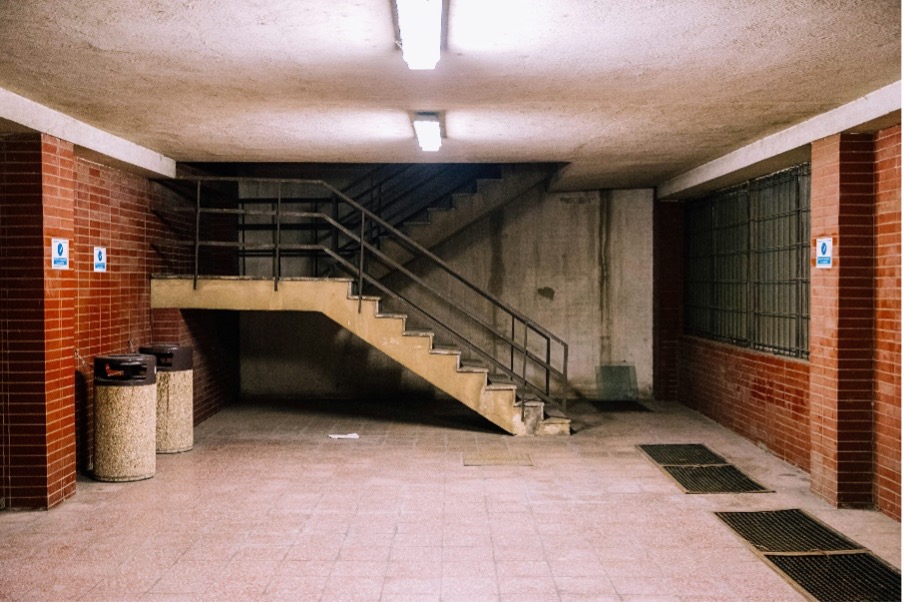
Transform Your Basement into Usable Living Space
One of the most overlooked opportunities in any home is the basement. Buyers love extra square footage, and a finished basement can completely change how they perceive the size and functionality of a property. A dark, cluttered storage area does nothing to impress anyone, but a clean, well-lit space with proper flooring and fresh walls tells a very different story. It could serve as a home office, a guest suite, a playroom, or even a gym. The possibilities are wide open, and that flexibility is exactly what makes it so appealing to buyers.
If your basement is currently unfinished or in rough shape, it would be best to hire professionals. Not only do they have the right equipment, they can also handle everything from moisture issues to insulation and layout planning, making sure the space meets code and looks polished. Look up finished basement company for more information.
Refresh the Kitchen Without a Full Remodel
The kitchen is where buyers spend the most time during a showing, and it shapes their opinion of the entire house. That does not mean you need to rip everything out and start over. Small, targeted changes can have an outsized impact. Swapping outdated cabinet hardware for something more modern takes an afternoon but freshens up the whole room. A new backsplash, updated light fixtures, and a deep clean of every surface can make a tired kitchen feel almost new.
If the cabinets are in decent structural shape but look worn, repainting or refinishing them is a smart move. Neutral tones tend to appeal to the widest range of buyers. Replacing old faucets with sleek, simple designs also adds a touch of polish without requiring plumbing work. The goal here is not perfection. It is about removing anything that makes buyers mentally subtract from their offer.
Update the Bathrooms Strategically
Bathrooms are another area where buyers pay close attention. Like kitchens, they do not need a full gut job to impress. Replacing a dated vanity, adding a framed mirror, and installing new towel bars can shift the feel of the room from outdated to current. Regrouting tile, replacing worn caulk, and ensuring every fixture works properly are basics that should never be skipped.
Lighting matters more in bathrooms than most people realize. Harsh, yellowish overhead lights can make even a nice bathroom feel uninviting. Switching to brighter, cleaner fixtures with a more natural tone creates a spa-like atmosphere that buyers respond to emotionally. Fresh towels, a clean shower curtain, and a few simple accessories also go a long way during showings.
Declutter and Depersonalize Every Room
Staging does not have to mean hiring a professional decorator, though that can certainly help. At its core, staging is about making your home feel spacious, clean, and easy to imagine living in. Removing excess furniture opens up rooms and makes them feel larger. Packing away personal photos, collections, and quirky decor allows buyers to picture their own lives in the space rather than feeling like guests in someone else’s home.
Closets and storage areas deserve attention, too. Buyers will open them, and overstuffed closets send the message that the home does not have enough storage. Thinning out what is inside and organizing what remains shows off the space and makes it look more generous. The same applies to garages, pantries, and linen closets.
Focus on Lighting Throughout the Home
A well-lit home feels bigger, cleaner, and more welcoming. Dark corners and dim rooms create the opposite impression, even when the space itself is perfectly nice. Replacing outdated fixtures, adding floor or table lamps in darker areas, and making sure every bulb is working might sound basic, but these small steps change the atmosphere of a home dramatically.
During showings, opening curtains and blinds to let in natural light is essential. If certain windows are blocked by furniture or heavy drapes, rearranging the room to maximize daylight is worth the effort. Buyers are drawn to bright spaces, and a home that feels airy and open will always photograph better and show better than one that feels closed off.
Take Care of Small Repairs Before Listing
Nothing makes a buyer more nervous than visible signs of neglect. A dripping faucet, a door that sticks, a cracked light switch cover, or a running toilet might seem minor to someone who has lived with these things for years. But to a buyer walking through for the first time, each small issue raises a question about what bigger problems might be hiding.
Going through the house with fresh eyes and fixing every minor issue before listing sends a powerful message. It tells buyers that the home has been maintained with care and that they are unlikely to face surprises after closing. This kind of trust is hard to build and easy to lose, so taking the time to handle these details is always worthwhile.
Selling a home is part financial decision and part emotional experience for buyers. The sellers who do best are the ones who understand both sides of that equation. By focusing on practical upgrades that improve how a home looks, feels, and functions, you put yourself in the strongest position to attract serious offers and walk away satisfied with the outcome.
Author

Written by
Recent Posts

Cynthia Nixon Net Worth: The $20 Million Fortune That Bought the Freedom to Lose
Smart Travel Tips for a Hassle-Free Airport Commute

Carrie Coon Net Worth: The Quiet Fortune of Television’s Most Nominated Actress
The Alchemy of Atmosphere: Curating a Bespoke Home Climate
Travel-Friendly Tech That Keeps You Productive on the Go
Categories
- Art
- Articles
- Beauty & Skincare
- Celebrities
- Celebrities|Entertainment
- Celebrities|Television
- Celebrities|The Chronicles
- celebrities|the-archive
- Celebrities|TV Shows
- Chronicles
- Entertainment|Culture
- Event Photos
- Events
- Fashion
- Fashion & Style
- Featured
- Food & Beverage
- Food, Spirits, Wine
- Hamptons
- Hamptons Celebrities
- Hamptons Celebrities|Celebrities|The Chronicles
- Health
- Health & Beauty
- Lifestyle
- Luxury Lifestyle
- Movies
- Press
- Profiles
- Real Estate
- Technology
- The Chronicles
- Travel
- Uncategorized
- Weddings