
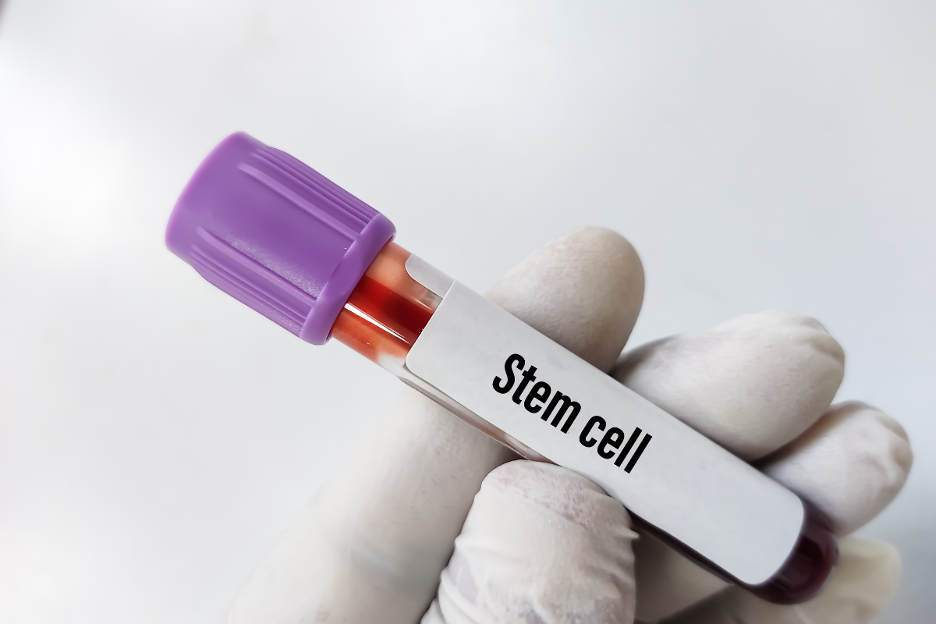
Austin has quietly become one of the more active markets in the country for regenerative medicine, and stem cell therapy Austin clinics offer is a big part of that growth. Between the city’s concentration of health-conscious professionals, athletes, and an aging population looking for alternatives to surgery, demand has outpaced most people’s understanding of what the treatment actually involves.
If you’re weighing whether stem cell therapy Austin providers offer is worth exploring, it helps to know what’s actually happening at the cellular level, what a responsible evaluation looks like, and what separates a well-run clinic from one that’s overselling a still-evolving field.
What Stem Cell Therapy Actually Does
Regenerative treatment relies on mesenchymal stem cells (MSCs) — a type of adult stem cell typically drawn from a patient’s own bone marrow or adipose (fat) tissue. Once concentrated, these cells are introduced into or near damaged tissue, where research suggests they can help modulate local inflammation and support the body’s own repair processes. This category — often grouped under the broader label of orthobiologics — has become increasingly common in sports medicine, where minimizing downtime matters just as much as long-term tissue repair.
This isn’t the same mechanism as a steroid injection or an anti-inflammatory medication, both of which primarily manage symptoms. The idea behind stem cell injections is closer to giving the body’s existing repair machinery a more concentrated supply of the cells it would normally use to heal — which is why the field is often described as regenerative rather than purely symptomatic. A useful academic starting point is this peer-reviewed overview of mesenchymal stem cells and their clinical potential, which lays out both the promise and the current limits of the science in more technical detail.
It’s also worth being clear-eyed about where the evidence stands. Outcomes vary by condition, severity, and overall health, and bone marrow-derived stem cells are not a guaranteed fix for every case of joint or spine degeneration. Most of the credible research so far points to meaningful, not universal, benefit — which is exactly the kind of nuance a good provider should walk you through before treatment, not after.
Why Interest Is Growing Specifically in Austin
Part of the reason stem cell therapy Austin searches have climbed is demographic: the city has a large population of active adults, former athletes, and professionals in their 40s and 50s who are trying to avoid or delay orthopedic surgery. Part of it is cultural — Austin has an outsized appetite for data-driven, proactive health approaches compared to a lot of other mid-sized US cities. It’s not unusual to see the same interest show up under slightly different phrasing — stem cell therapy Austin Texas, regenerative medicine Austin, orthopedic alternatives — all pointing to the same underlying demand.
That combination has made regenerative medicine a much more mainstream conversation locally than it might be elsewhere. It’s common now to hear stem cell therapy discussed the way PRP or cortisone once were — as one option among several, rather than a fringe idea. That shift has also raised the stakes for choosing a provider carefully, since more demand tends to attract more variation in quality.
What a Responsible Evaluation Looks Like
A trustworthy stem cell therapy Austin practice typically follows a fairly consistent process, regardless of which clinic you visit:
- A physician consultation covering your health history, prior treatments, imaging, and specific goals
- A candidacy assessment — moderate degeneration tends to respond better than end-stage joint or disc damage, and a good provider will say so plainly
- A treatment plan tailored to the area involved, whether that’s a joint, a disc, or a soft-tissue injury
- In-clinic administration using image guidance where appropriate, performed by licensed medical staff
- Structured aftercare, including activity guidance and follow-up monitoring over the following weeks and months
The procedure itself is typically outpatient and same-day. For autologous protocols, there’s a brief tissue draw under local anesthesia, concentration of the cell fraction, then injection into the target area. Most patients return to light activity within a few days, though the regenerative process itself unfolds over weeks to months rather than producing an immediate result.

Cost is a real factor worth asking about upfront. Regenerative treatments are generally not covered by insurance, and pricing for a single session commonly starts in the thousands of dollars depending on the area treated and the protocol used — though HSA or FSA funds can sometimes be applied. Anyone comparing stem cell therapy Austin cost estimates across clinics should ask for an itemized breakdown rather than a flat headline number, since consultation, imaging, and follow-up visits aren’t always included in the quoted price.
A Few Honest Caveats
It’s worth stating directly: most stem cell and regenerative therapies are not FDA-approved for the majority of the conditions they’re used to treat. That doesn’t mean they’re unsafe or ineffective — apheresis-based orthopedic protocols have a reasonable track record — but it does mean the regulatory oversight is different from what you’d find with an approved drug or device. Understanding how regulators currently characterize this category is a useful, sobering exercise before committing to treatment anywhere, and it’s a good filter for separating serious clinics from ones making claims that outpace the evidence.
A few questions worth asking any provider before booking:
- What’s your diagnostic process, and does it include imaging?
- Where do the cells come from, and why that source specifically?
- What outcomes have your patients typically seen, in realistic terms?
- Is a licensed physician overseeing the protocol from consultation through aftercare?
Clinics that answer these plainly, without overpromising, are generally the ones worth taking seriously.
Choosing Between Austin TX Providers
If you’re comparing stem cell therapy Austin TX options, the biggest differentiator usually isn’t the base science — most reputable clinics draw on similar cell-sourcing and injection techniques — it’s the quality of the diagnostic workup and the transparency of the team doing it. Longer-established practices with physician founders, rather than a rotating roster of technicians, tend to set more realistic expectations and screen out poor candidates before treatment rather than after.
It’s also reasonable to ask how many patients a clinic has actually treated. A practice with years of case history and a large patient base has had more opportunity to refine its protocols than one that added regenerative medicine to its service menu recently.
Clinics like Humanaut Health, which are built around physician founders rather than a rotating cast of technicians, tend to be a useful benchmark for what that kind of transparency looks like in practice.
What It Comes Down To
Stem cell therapy is a legitimate, if still maturing, option for people dealing with joint, disc, or soft-tissue conditions that haven’t responded well to conventional care. The science supports cautious optimism for specific applications, and the field continues to accumulate more clinical evidence each year.
If you’re in Austin and considering this route, the most useful thing you can do is treat the search the way you would any significant medical decision: ask direct questions, expect honest answers about candidacy and cost, and be wary of anyone promising guaranteed results. Approached that way, stem cell therapy Austin residents pursue can be a genuinely worthwhile option for the right candidate — and a clear pass for the wrong one, which a good provider should tell you upfront.
Author

Written by
Recent Posts
How to Pick a Homecoming Dress for Your Body Type and Feel Amazing in It
How to Prepare a Home for Sale When Major Repairs Are Not Affordable
From Everyday Comfort to Personal Style: My SHEIN Slipper Habit
5 Best Mitsubishi Heat Pump Companies in Seattle
Tech Gadgets as Modern Corporate Gifts: Useful Ideas for Employees and Clients
Categories
- Art
- Articles
- Business of Luxury
- Celebrities
- Culture
- Entertainment
- Events
- Faces of Summer 2026
- Fashion
- Fashion & Style
- Featured
- Finance
- Food, Spirits, Wine
- Hamptons
- Hamptons Celebrities
- Health
- Health & Beauty
- Lifestyle
- Luxury Lifestyle
- Press
- Profiles
- Real Estate
- Technology
- The Chronicles
- Travel
- Uncategorized
- Weddings