
Generating original ideas demands deep focus, yet notifications constantly disrupt the artistic flow. The pressure to remain connected can drain your creative energy before you even touch your canvas or keyboard.
Finding a balance between technology and imagination is no longer optional. Creative professionals must establish boundaries to protect their mental space. Here are some simple adjustments that can preserve your inspiration and protect your long-term well-being from digital exhaustion.
Designing a Healthy Workspace for Long Production Sessions
Physical comfort directly impacts your artistic output and focus. Sitting in an uncomfortable chair for 8 hours ruins your posture and sours your mood. Your physical desk environment deserves the same careful planning as your actual artwork. Creating a dedicated workspace separates your career from your relaxation time.
Simple physical changes can prevent fatigue during intense drawing or writing sprints. Spending under $50 on ergonomic accessories can dramatically improve your posture. You can implement these design choices to build a better studio layout:
- Place your screen at eye level to prevent neck strain.
- Use natural lighting whenever possible to lower eye fatigue.
- Position your keyboard to keep your wrists neutral and comfortable.
- Keep a water bottle nearby to maintain healthy hydration levels.
Adjusting your setup creates a professional zone where your mind can focus. Small modifications yield big results over a long career.
Balancing Screen Exposure for Better Sleep Patterns
Late-night editing sessions can damage your sleep cycles. To avoid strain and invite sleep in, you can invest in blue light glasses from suppliers like blockbluelight.com.au during late-night sessions. Artificial exposure from devices suppresses melatonin production by 40%. Lower melatonin levels mean you will struggle to fall asleep after working late.
Deep sleep is the phase where your brain processes ideas and restores mental energy. Sacrificing sleep for extra work hours diminishes the quality of your art. Establishing a digital curfew an hour before bed allows your brain to unwind naturally. Swapping a phone for a physical book can prepare your body for deep rest.
The Global Shift in Screen Engagement
The modern creative professional operates within a massive global network. A digital medical journal indicates that active web users reached 5.45 billion, representing two-thirds of the global population. The enormous audience offers incredible opportunities for sharing your work. Heavy internet usage across the globe means you are constantly competing for attention.
If you suffer from burnout, you cannot produce quality work. Managing your own screen time is the first step toward sustainable artistic production. Limiting your exposure to online noise keeps your perspective fresh and unique.
Examining Changing Perceptions of Online Spaces
Navigating online platforms can evoke mixed feelings for modern artists. Statistics from a digital safety organization show that 77% of young people feel safe online, which is a drop from 81% in the previous year. This shift highlights a growing discomfort with the current state of internet interaction. Creators may experience a similar decline in comfort when dealing with online criticism and algorithms.
Protecting your emotional well-being means filtering your digital interactions. Stepping away from toxic comment sections preserves your confidence. Surround yourself with a supportive online community and counteract the negativity found on mainstream platforms.
Developing Boundaries for Social Media Management
Promoting your work should not consume your entire day. Social media platforms use algorithms designed to keep you scrolling for hours. Creating a strict content calendar helps you post your artwork without getting trapped in feed loops. You can share your latest projects and log off immediately to protect your focus.
Treating social media as a professional utility changes your relationship with screens. You no longer feel obligated to respond to every notification instantly. Boundaries give you the freedom to create with no need for constant digital validation. True artistic growth happens when you look inward.
Introducing Offline Artistic Practices to Spark Innovation
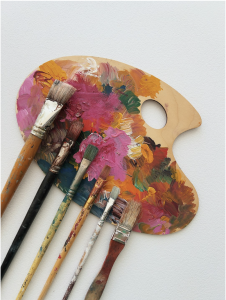
Analog media offer an excellent escape from continuous screen strain. Sketching on physical paper or painting on canvas engages different parts of your brain. Tactile experiences can inspire new concepts that you can translate to digital formats later. Leaving your device in another room forces you to connect with your immediate environment.
Walking through a park or visiting a museum provides fresh sensory input. Your art will reflect the rich textures of reality, not the flat pixels of a screen. Prioritizing your well-being builds a sustainable foundation for your entire creative career. Technology can be a powerful tool for expression, but it should never control your life.
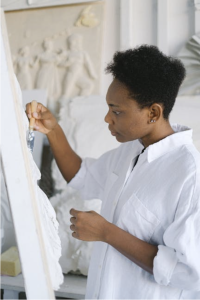
Taking care of your eyes, mind, and sleep cycles directly improves the quality of your artistic work. Your unique voice deserves a healthy space to grow and develop. Unplugging for a few hours each day preserves your passion and fuels your next great project.
Author

Written by
Recent Posts
Unlocking the Berkshires
Dalia Forman Design

Alberto Luzzi
How to Pick a Homecoming Dress for Your Body Type and Feel Amazing in It
How to Prepare a Home for Sale When Major Repairs Are Not Affordable
Categories
- Art
- Articles
- Business of Luxury
- Celebrities
- Culture
- Entertainment
- Events
- Faces of Summer 2026
- Fashion
- Fashion & Style
- Featured
- Finance
- Food, Spirits, Wine
- Hamptons
- Hamptons Celebrities
- Health
- Health & Beauty
- Lifestyle
- Luxury Lifestyle
- Press
- Profiles
- Real Estate
- Technology
- The Chronicles
- Travel
- Uncategorized
- Weddings