
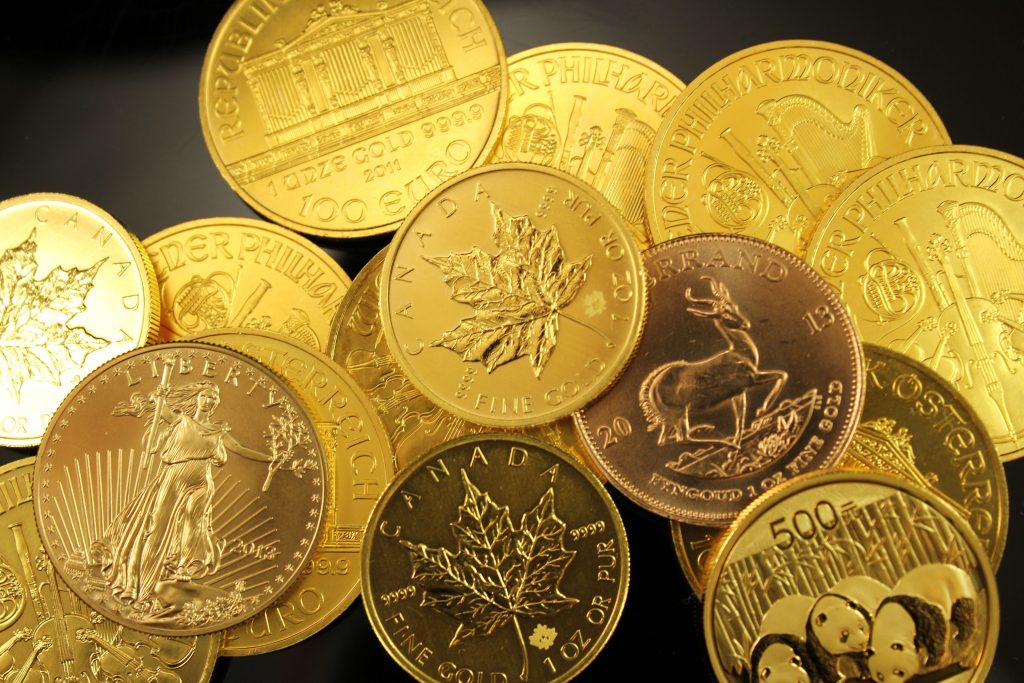
Most coins are designed to fit comfortably into everyday commerce, passing from one person to another without demanding much attention. Occasionally, though, a coin has enough size, artwork, and historical meaning to feel like something much bigger. It becomes a small piece of national history that happens to be struck in precious metal.
Mexico created such a coin while looking back on one of the defining moments in its history. Its impressive physical presence was paired with imagery celebrating independence, national identity, and the country’s landscape. Even before considering the gold itself, the design gives the piece a ceremonial quality that separates it from ordinary currency.
That combination helps explain why the Mexico Gold 50 Peso can feel more like a miniature monument than simply another gold coin. Its story is built into everything from its substantial weight to the images covering its surfaces.
A Coin Born From a Major Anniversary
The coin first appeared in 1921, a significant year for Mexico. It marked the centennial of the country’s independence from Spain, connecting a new gold issue with a national milestone that reached back to the struggle begun in 1810.
That purpose gave the coin an identity beyond its denomination. Rather than creating a design concerned only with monetary value, Mexico used the opportunity to commemorate independence and express national pride through a substantial piece of gold coinage.
The timing remains an important part of its appeal today. Knowing why the coin was introduced changes the way its artwork can be viewed. The images aren’t simply decorative choices. They belong to a deliberate celebration of the history and identity of an independent Mexico.
Why Its Size Immediately Gets Attention
Many people familiar with modern bullion expect a large gold coin to contain approximately one troy ounce of the metal. This piece goes noticeably beyond that familiar benchmark, containing roughly 1.2 troy ounces of actual gold.
The coin is struck in 90 percent gold, with a total weight of approximately 41.67 grams. Those specifications give it a substantial feel in the hand and help explain why its physical presence can be surprising to someone encountering one for the first time.
That extra size also gives the artwork room to breathe. The figures and landscape aren’t compressed into a small surface, allowing the design to feel appropriately grand for a coin created to commemorate such an important national anniversary.
A National Story Told Through Design
The most immediately recognizable feature is Winged Victory, inspired by the famous independence monument in Mexico City. She stands prominently on the coin with a wreath raised in one hand and broken chains in the other, creating a direct visual connection to freedom.
Behind her rise Popocatépetl and Iztaccíhuatl, two volcanoes deeply connected with Mexico’s landscape and cultural identity. Their inclusion gives the design a distinctly Mexican setting rather than relying on symbolism that could belong almost anywhere.
The opposite side carries Mexico’s national coat of arms, featuring an eagle with a serpent perched on a cactus. Together, these images transform both sides of the coin into expressions of national history, geography, independence, and identity.
When Gold and History Share the Same Coin
Precious metal pieces can attract attention for very different reasons. Some are valued primarily for their metal content, while others draw interest because of rarity, design, history, or the circumstances surrounding their creation.
This coin brings several of those qualities together. Its substantial gold content gives it an obvious connection to the precious metals market, while its commemorative origins and recognizable imagery add a historical dimension that doesn’t depend entirely on the value of gold.
That combination creates a different collecting experience from owning a generic piece of bullion. Someone can appreciate the amount of precious metal while also holding an object connected to Mexican independence and a century-old tradition of national coinage.
Conclusion
Few coins manage to create such a strong impression through both physical size and historical meaning. The substantial gold content immediately gives this piece weight and presence, but that is only one part of what makes it distinctive.
Its imagery adds another layer. Winged Victory, the volcanoes, and the national coat of arms connect the coin directly with Mexico’s landscape, independence, and identity, while its 1921 introduction ties those symbols to a major national anniversary.
Put everything together and the result feels larger than an ordinary precious metal product. It combines gold, art, history, and national symbolism within a single object small enough to hold in one hand. That’s exactly why describing it as a miniature monument doesn’t feel like much of an exaggeration.
Author

Written by
Recent Posts
How to Pick a Homecoming Dress for Your Body Type and Feel Amazing in It
How to Prepare a Home for Sale When Major Repairs Are Not Affordable
From Everyday Comfort to Personal Style: My SHEIN Slipper Habit
5 Best Mitsubishi Heat Pump Companies in Seattle
Tech Gadgets as Modern Corporate Gifts: Useful Ideas for Employees and Clients
Categories
- Art
- Articles
- Business of Luxury
- Celebrities
- Culture
- Entertainment
- Events
- Faces of Summer 2026
- Fashion
- Fashion & Style
- Featured
- Finance
- Food, Spirits, Wine
- Hamptons
- Hamptons Celebrities
- Health
- Health & Beauty
- Lifestyle
- Luxury Lifestyle
- Press
- Profiles
- Real Estate
- Technology
- The Chronicles
- Travel
- Uncategorized
- Weddings