
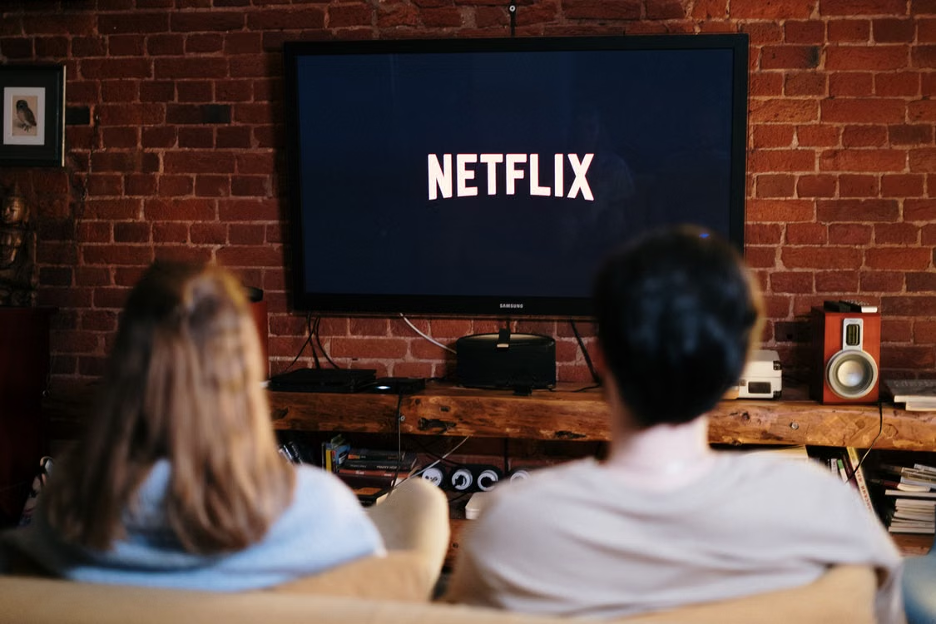
There was a time when watching TV meant waiting for your favorite show to come on at a certain time. You even had to hurry home to be able to watch it. Miss it, and you’d have to wait for a rerun that sometimes takes ages. But now, almost every movie, series, and documentary is available with just a few taps. And regardless of whether you’re on the bus, at work, at a cafe, or anywhere else, you can access it as long as you have an internet connection.
Yes, that’s the convenience streaming services offer. But that convenience has changed the way people spend their free time. Is it a bad thing? Not entirely. Is it completely harmless? Not always either. Here’s what’s really happening to us during this streaming era.
The Psychology of Never Running Out of Something to Watch
The biggest reason streaming feels so different from traditional television is that it never really asks people to stop. When one episode ends, the next one is already waiting. You even get that “Next Episode” button that encourages you to watch another episode. They’ve also worked their algorithm very well that the recommendations are mostly on point with what you prefer to watch.
Researchers at the University of Chicago found that autoplay can lead to people watching longer than they originally planned because it removes the small decision of pressing “play” again. It might not seem like much but it’s actually one of the most significant reasons why people can binge-watch the entire day.
Comparing streaming services to traditional pay-TV like DISH Network, it’s completely different. TV channels follow a schedule. Once an episode ends, you either wait for the next program or simply turn the TV off. There are natural breaks that give you time to decide if you really want to keep watching.
This will make you think. Even though streaming services gave us the freedom and convenience of watching our favorite movies and TV shows anytime and anywhere we like, is it really worth it if it’s
How Streaming Services Have Changed Our Daily Habits
Streaming used to be something people did when they had extra time. Today, it’s simply part of everyday life. Many people watch while eating, commuting, doing household chores, or winding down before bed. It has become such a normal part of the day that most people don’t even think twice about it or even realize how much time it’s already taking from their daily life.
1. Binge-watching has become the new normal.
Waiting a week for the next episode was just how television worked and nobody questioned it. But when streaming came, everything became different. Entire seasons drop at once and the next episode starts automatically, which makes stopping feel like the unnatural choice. What used to be considered excessive, watching four or five episodes in one sitting, is now just a regular Tuesday night.
According to data from streaming platforms, 70% of Netflix users admit to binge-watching a television show at least once, with 19% doing it every single day. The word binge-watching barely even means anything anymore because it implies excess, and nobody considers it excessive when it is just a regular night at home.
2. Streaming has become background noise.
Half the time, people are not really watching. They are just having something on or are used to having something on while doing something else. Having many people do this on a daily basis says something about how people are getting that need for stimulation. That’s also why platforms are actively building out categories designed for ambient or casual viewing, recognizing that users are making deliberate choices to put on something they know they will only half-watch.
What is interesting is that this is not a passive thing that happened to people. Most of them chose it. The relationship with television shifted from sitting down to watch something to just having the TV on as a feature of the room, and most people made that shift without noticing it was happening.
3. Late nights have become more common.
One more episode is probably the most common lie people tell themselves before bed. Streaming platforms are built without natural stopping points and the autoplay just keeps going. Research even backs this up. According to the American Academy of Sleep Medicine, 88% of American adults report losing sleep because of binge-watching TV shows.
Most people still do not make the connection between the platform design and their sleep schedule. They blame the show when the autoplay feature deserves at least some of that blame.
4. We don’t watch together as much anymore.
There was something about appointment television that forced a shared experience. One show, one time, everyone watching together or at least watching the same thing at roughly the same time. TV streaming made that optional and most people quietly stopped doing it. Everyone has their own watchlist now and their own algorithm. And that algorithm, that algorithm is dangerous because it’s specifically tailored to your preferences.
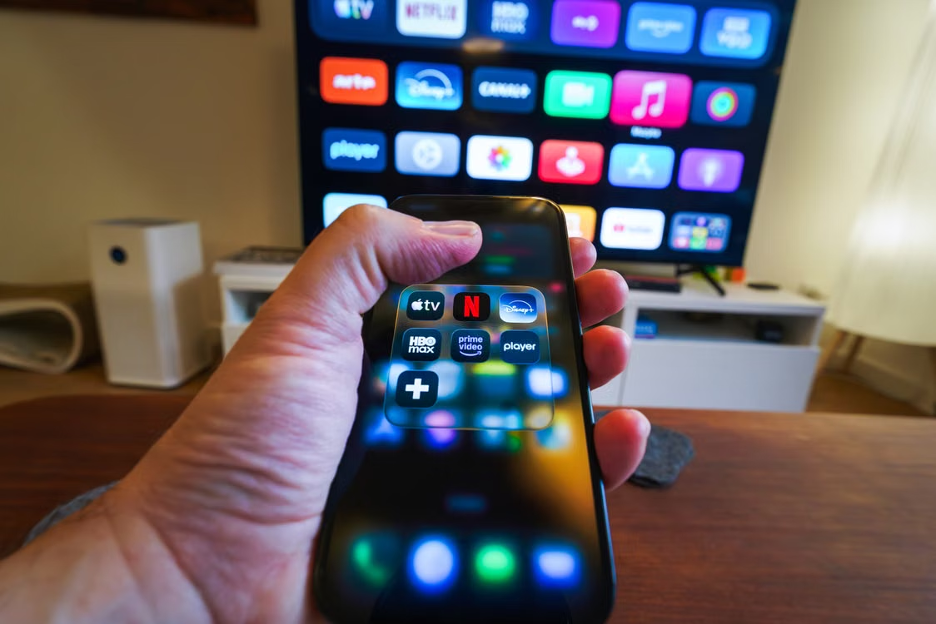
Are Streaming Services Helping or Hurting Us?
It depends on how you use it but most people are not really using it consciously anymore. Streaming has genuinely made life better in a lot of ways (entertainment, access to information, real stories from all over the world, etc.) But the same platforms giving you all of that are also the ones that figured out exactly how to make sure you never want to stop. The issue is not the content. It is the hours that quietly disappear and the habits that form before anyone notices they have formed.
Tips for Building Healthier Streaming Habits
Nobody wants to be told to watch less TV. That is not really the point here either. The point is watching on your own terms instead of the platform’s. A few small shifts change the experience significantly without making it feel like a punishment.
- Turn off autoplay. That one feature alone is responsible for more lost sleep and wasted afternoons than most people realize
- Decide on a stopping point before you start, not three episodes in when you are already too comfortable to move
- Keep the phone and the laptop out of the bedroom. Streaming in bed is one of the fastest ways to guarantee a bad night’s sleep
- Watch something with another person once in a while. The shared experience is genuinely different from watching alone and most people have forgotten how good it feels
- Check your actual screen time at least once a week. The number is almost always higher than what people estimate and seeing it written out tends to change behavior more than any advice does
Let’s Find a Healthy Balance in the Streaming Era
Streaming is not the enemy and this is not a call to cancel subscriptions and go outside more. It is just worth being honest about the fact that these platforms are very good at their job, and their job is to keep you watching. And once you understand that, it becomes a lot easier to enjoy streaming for what it actually is, a tool for entertainment, rather than something that runs in the background of your entire life without you ever really choosing it. Watch what you want. Just make sure you are the one deciding when to stop.
Author

Written by
Recent Posts
Unlocking the Berkshires

Dalia Forman Design

Alberto Luzzi
How to Pick a Homecoming Dress for Your Body Type and Feel Amazing in It
How to Prepare a Home for Sale When Major Repairs Are Not Affordable
Categories
- Art
- Articles
- Business of Luxury
- Celebrities
- Culture
- Entertainment
- Events
- Faces of Summer 2026
- Fashion
- Fashion & Style
- Featured
- Finance
- Food, Spirits, Wine
- Hamptons
- Hamptons Celebrities
- Health
- Health & Beauty
- Lifestyle
- Luxury Lifestyle
- Press
- Profiles
- Real Estate
- Technology
- The Chronicles
- Travel
- Uncategorized
- Weddings