
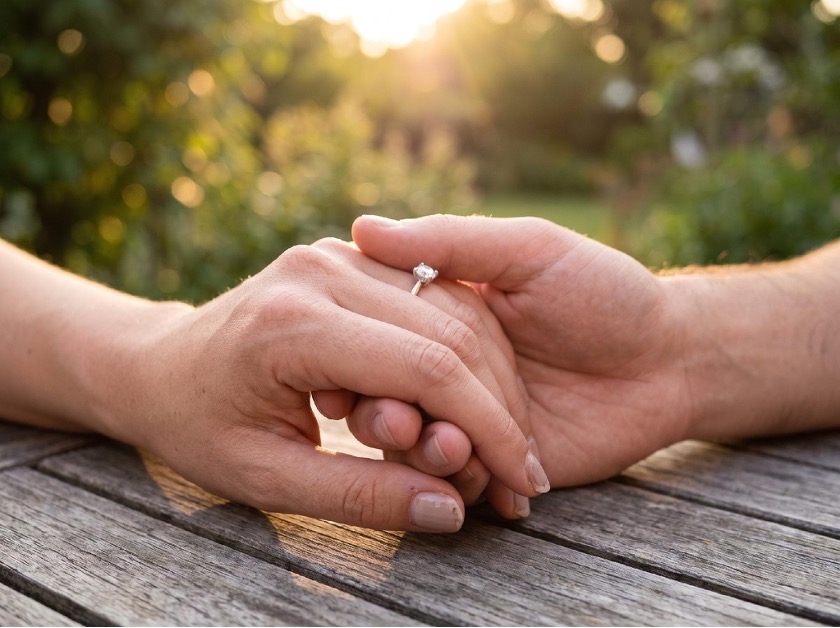
Proposal season has a rhythm out here. The holidays wrap up, the Hamptons social calendar quiets down for winter, and somewhere between a Nantucket Thanksgiving and a Valentine’s dinner in the city, a ring gets slipped onto a finger. It’s a scene that hasn’t changed in decades. What has changed, quietly and almost completely, is everything that happens before that moment.
The old script called for total secrecy. A guy studying his girlfriend’s Pinterest board, sneaking a family heirloom to a jeweler, showing up with a box she’d never seen coming. That version of the story still happens, sure. But it’s no longer the default. Couples are shopping together now, comparing stones online, and walking into showrooms as a pair. The ring itself looks different too, from the metal to the center stone to the shape that keeps catching everyone’s eye at dinner parties.
The New Ring-Shopping Playbook
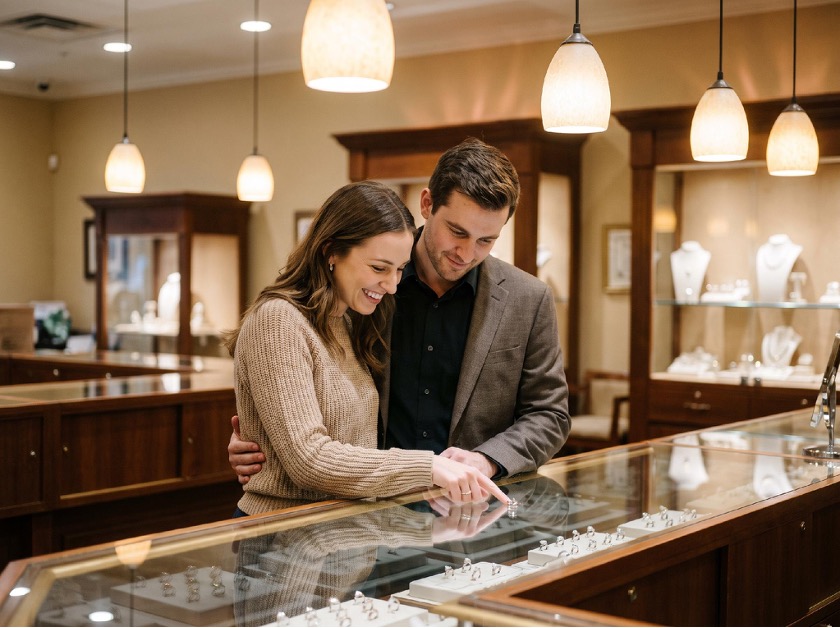
Walk into any jewelry appointment this winter and you’ll likely find two people at the counter, not one. According to The Knot Worldwide’s 2026 Real Weddings Study, 79% of ring recipients were actively involved in choosing their own ring, and a quarter of couples shopped for it together from the start. That’s a real shift from the surprise-only model that dominated engagement culture for generations, and it’s changing how couples approach the process entirely.
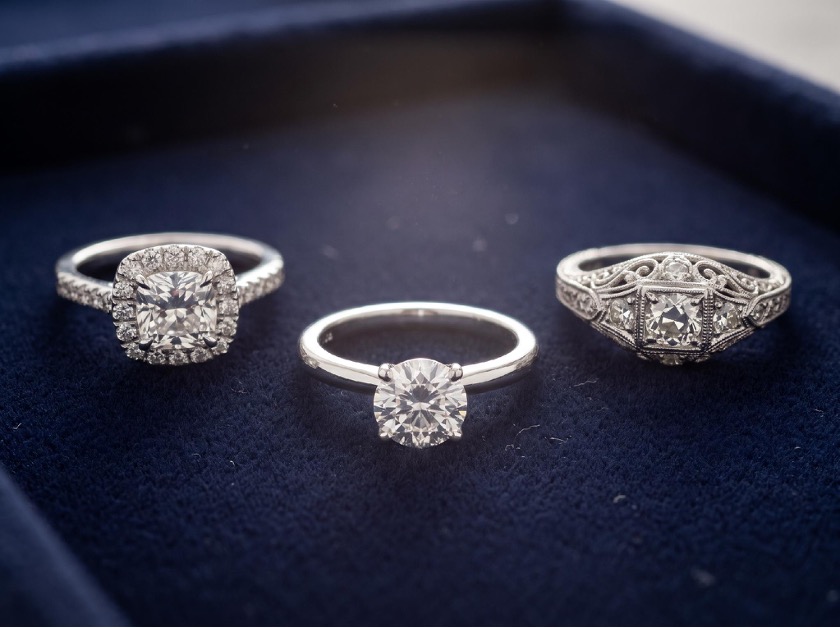
For a lot of Hamptons couples, the search now starts online, long before anyone sets foot in a store. They’ll spend a few evenings scrolling through collections together, narrowing down whether they gravitate toward a slim pave band or something bolder with a halo setting. It’s common for a couple to browse engagement rings by Gabriel & Co side by side on a laptop, getting a feel for silhouettes and settings before ever booking a jeweler appointment. That homework pays off. By the time they’re sitting across from a jeweler, they already know roughly what they want, which makes the whole experience feel less like a high-stakes guessing game and more like picking out something together.
What’s Actually Trending in 2026
The stone itself has changed more than anything else. Lab-grown diamonds now account for 61% of center stones in engagement rings, up a staggering 239% since 2020, according to The Knot Worldwide’s 2026 Real Weddings Study. Average carat size has crept up to 1.9 carats too, since lab-grown stones let couples size up without blowing the budget. Speaking of budget, the average spend on an engagement ring actually dropped to $4,600 in 2025, down from $5,200 the year before and $6,000 back in 2021. Couples are getting more stone for less money, and they know it.
Metal choices have shifted just as much. Yellow gold now makes up 39% of engagement ring metal selections, more than double what it was five years ago, while 48% of couples still lean toward a white metal (35% white gold and 13% platinum). It’s not that white gold and platinum have fallen out of favor exactly. It’s that yellow gold has gone from “your grandmother’s ring” to genuinely fashionable again, especially paired with vintage-inspired or personalized settings.
Shape matters too. Oval-cut diamonds have grown from roughly 2% of engagement rings in 2015 to about 25% in 2026, closing in fast on round as the most popular cut. If you want to understand where the lab-grown shift is headed next, our piece on the rise of lab-grown stones digs into how quality and pricing have evolved city by city.
Certification, Craftsmanship, and What to Ask For
None of these trends matter much if the stone itself isn’t what it claims to be. Certification is the one non-negotiable step in this whole process, and the Gemological Institute of America remains the recognized authority on grading diamonds by the 4Cs: cut, color, clarity, and carat weight. A ring without proper certification is a ring you’re buying on trust alone, and that’s not a great place to be when you’re spending thousands of dollars.
Beyond certification, ask who actually made the piece. Mass-produced settings have their place, but there’s something different about working with a jeweler known for custom, one-of-a-kind pieces, especially if you want a ring that doesn’t look like everyone else’s Instagram feed. Custom work costs more and takes longer, but for a lot of couples that tradeoff is worth it. You end up with something that fits your hand and your story, not just a catalog number.
Getting the Setting Right for the Wedding Ahead
Once the ring is on the finger, the planning doesn’t stop. Most couples don’t think about the wedding band until months later, and by then they’re scrambling to find something that actually complements the engagement ring rather than fighting with it. It’s worth thinking ahead here. Our guide to matching a wedding band to your ring walks through how to pair metals, widths, and settings so the two pieces look intentional together instead of mismatched.
Insurance is the other thing people forget. A $4,600 ring, or a $14,000 one, deserves a rider on your homeowner’s or renter’s policy at minimum. Resizing is worth budgeting for too, particularly if the proposal happened somewhere cold and fingers weren’t exactly at their normal size that evening.
The Ring Reflects the Couple Now
What’s striking about all of this data is how much it points to the same conclusion: engagement rings today are less about following a script and more about two people figuring out what actually suits them. Whether that’s a lab-grown oval in yellow gold or a traditional round solitaire in platinum, the ring has become a genuine reflection of personal taste rather than a checklist item.
That’s a good thing, honestly. A ring you chose together, or one you researched carefully on your own, tends to mean more than one picked in a panic the week before a proposal. As this winter’s engagement season gets underway across the Hamptons and beyond, the couples getting it right aren’t the ones rushing. They’re the ones taking their time to find something that actually feels like them.
Author

Written by
Recent Posts

Unlocking the Berkshires
Dalia Forman Design
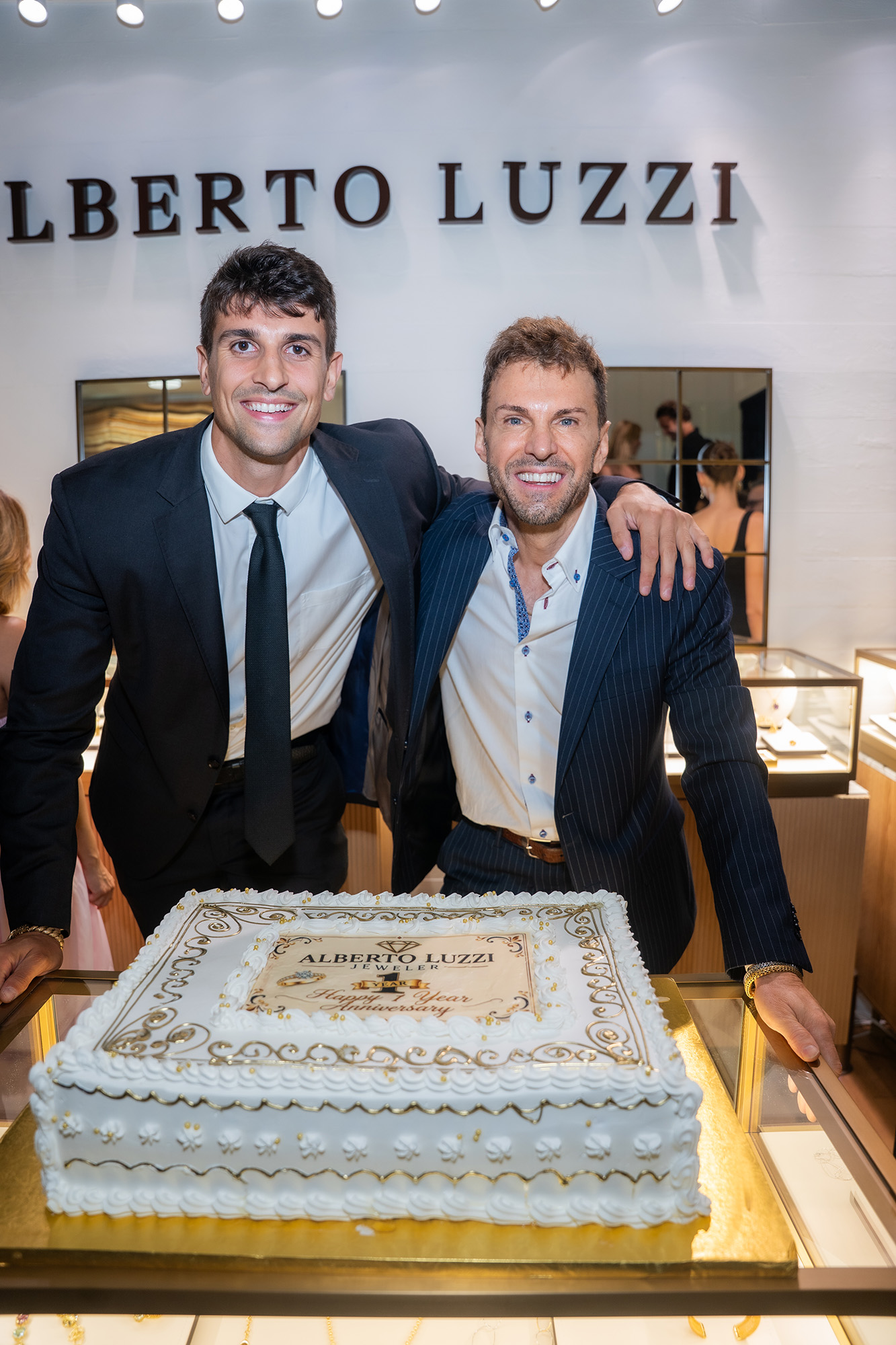
Alberto Luzzi
How to Pick a Homecoming Dress for Your Body Type and Feel Amazing in It
How to Prepare a Home for Sale When Major Repairs Are Not Affordable
Categories
- Art
- Articles
- Business of Luxury
- Celebrities
- Culture
- Entertainment
- Events
- Faces of Summer 2026
- Fashion
- Fashion & Style
- Featured
- Finance
- Food, Spirits, Wine
- Hamptons
- Hamptons Celebrities
- Health
- Health & Beauty
- Lifestyle
- Luxury Lifestyle
- Press
- Profiles
- Real Estate
- Technology
- The Chronicles
- Travel
- Uncategorized
- Weddings