
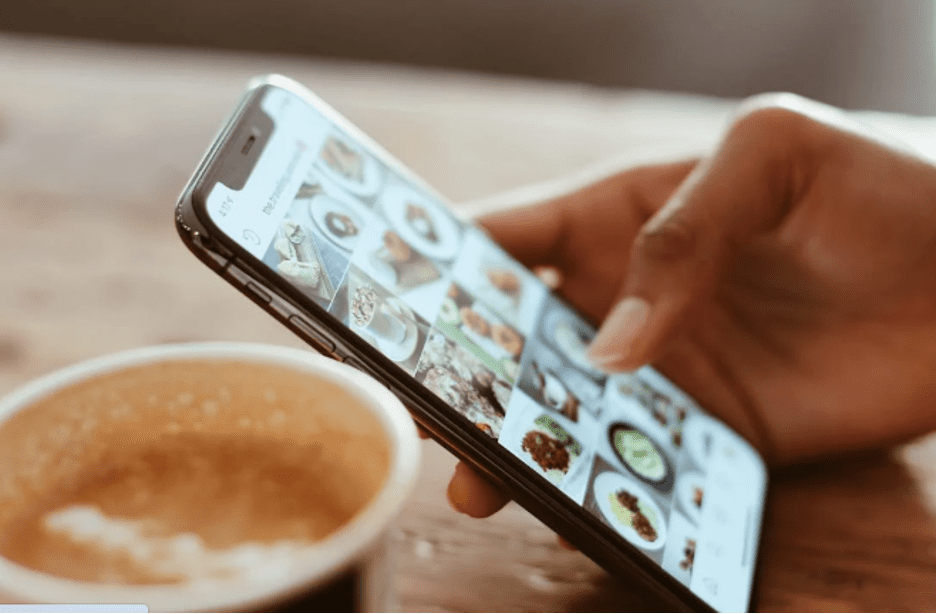
Most people don’t upgrade their smartphones because they feel excited about a new release. They do it because their current phone starts causing daily problems. Maybe the battery drains too fast or the storage stays full no matter what they delete. The issue is that upgrading at the wrong time often means paying more than necessary. Phone prices shift throughout the year, and trade-in deals come and go quickly. If you understand the best seasons to upgrade, you can save money and avoid stress. A smart upgrade is about choosing the right moment.
1. Your Phone’s Condition Should Lead the Choice
Sometimes the smartest upgrade time depends less on the calendar and more on how your phone performs daily. If your battery struggles to last through the day, your screen has cracks, or charging becomes unreliable, upgrading may be more practical than repairing. Repairs can cost a lot, especially for older models. A slow phone can also affect productivity and simple tasks like messaging or navigation. If your device regularly frustrates you, it may be time to move on. The best upgrade moment is when the phone no longer supports your needs comfortably.
2. Trade-In Before Value Drops
Your phone loses resale value over time, but the drop becomes sharper when newer models arrive. The longer you wait, the less you may get for your device, even if it still works well. Trade-in programs often offer their best value when your model is still in demand. This matters even more for newer devices like the iPhone 17, since early resale interest tends to stay strong before the market gets crowded. Phones in good condition with healthy batteries usually receive higher offers. If you plan to upgrade soon, it can be a smart move to sell iPhone 17 models sooner rather than waiting until prices fall further.
3. Right After New Phones Launch
One of the best times to upgrade is right after a new phone model hits the market. When companies release their latest devices, stores quickly start lowering prices on the previous versions. These older models are still powerful, reliable, and often almost identical for everyday use. Retailers want to clear out stock, so you may find strong deals without waiting months. This timing works well for people who don’t need the newest phone but still want an upgrade. Instead of paying full price during launch week, you can upgrade shortly after and get better value.
4. Fall Is Upgrade Season
Fall has become one of the biggest seasons for smartphone upgrades. Major brands usually announce new devices around this time, which creates a lot of activity in the market. Carriers and retailers compete for attention by offering promotions, trade-in boosts, and upgrade plans. Even if you don’t want the newest release, fall can still be a smart time because older models often drop in price. Many people choose this season to trade in their phones while demand stays high. If you plan ahead, fall can give you more choices and better offers.
5. Holiday Deals Worth Watching
The holiday season brings a flood of smartphone deals, especially around Black Friday and end-of-year sales. Stores know people shop more during this time, so they often bundle phones with gift cards, accessories, or special trade-in offers. However, not every deal is as good as it looks. Some discounts depend on long contracts or higher monthly plans. The smartest way to shop during the holidays is to focus on the total cost, not just the advertised price. If you compare offers carefully, the holiday season can be a great time to upgrade.
6. Early Year Discounts Feel Overlooked
Many shoppers forget about the deals that appear right after the holidays. In January and February, retailers often try to clear out leftover inventory from the previous year. The excitement of new launches has passed, and stores still want to move older models. This creates a quieter but valuable window for upgrades. You may find price cuts without the crowds or pressure that come with holiday shopping. Early-year upgrades also give you time to choose calmly instead of rushing into a decision. If you want savings without hype, this season often works well.
7. Back-to-School Deals Surprise Many Buyers
Late summer brings another strong upgrade window that many people overlook. Back-to-school season often includes promotions on electronics, including smartphones. Retailers and carriers target students, parents, and families preparing for the new school year. Deals may include discounts, trade-in bonuses, or bundle offers with tablets and wearables. This season can work well if you want to upgrade without waiting for fall launches. It’s also a practical time for families trying to replace their older phones before busy schedules begin. If you shop carefully, back-to-school promotions can offer solid value with less competition than holiday sales.
8. Don’t Wait for Software Support to End
Smartphone upgrades aren’t only about hardware. Software updates matter just as much. Over time, older phones stop receiving the latest operating system updates and security patches. When that happens, apps may run poorly, and your phone can become less secure. Apple and Android manufacturers support devices for several years, but support doesn’t last forever. Before upgrading, check whether your model still receives updates. If your phone is nearing the end of its support window, upgrading sooner can prevent future problems. Staying current helps you keep access to new features and stronger protection.
Upgrading your smartphone doesn’t have to feel stressful or expensive. The smartest time depends on the season, new phone launches, and how much value you can still get from your current device. Fall releases, holiday promotions, early-year discounts, and even back-to-school deals all create opportunities to save. At the same time, your phone’s condition and software support should guide your decision. When you upgrade with timing in mind, you avoid overpaying and make the most of your trade-in. A little planning can help you upgrade confidently and get better value overall.
Author

Written by
Recent Posts
The Smartest Time of Year to Upgrade Your Smartphone
How People in Their 20s Are Building Morning Routines They Don’t Quit
Hidden Water Damage Risks That Can Reduce a Home’s Value
Architectural Foundations of a Modern Aesthetic Enterprise
Protocol for Managing Urgent Oral Health Situations
Categories
- 2025 Social Life Events
- Access to Digital + Physical Magazine
- Art
- Articles
- Beauty & Skincare
- Beauty & Wellness
- Business Strategy
- Celebrities
- Chronicles
- Design History
- Design History|Hamptons
- Design Process
- Design Trends
- Event Photos
- Events
- Family
- Fashion
- Fashion & Style
- Featured
- Food & Beverage
- Food, Spirits, Wine
- Hamptons
- Hamptons Celebrities
- Hamptons Design
- Health
- Health & Beauty
- Home & Design
- Home & Living
- Lifestyle
- Luxury Home Design|Design Process
- Luxury Home Design|Design Trends
- Luxury Home Design|Hamptons Design
- Luxury Home Design|Interior Design
- Luxury Lifestyle
- Luxury Living
- Luxury Living|Design Process
- Luxury Living|Hamptons
- Luxury Living|Hamptons Design
- Press
- Profiles
- Real Estate
- Technology
- The Chronicles
- Travel
- Trending
- Uncategorized
- Weddings
- Wellness