
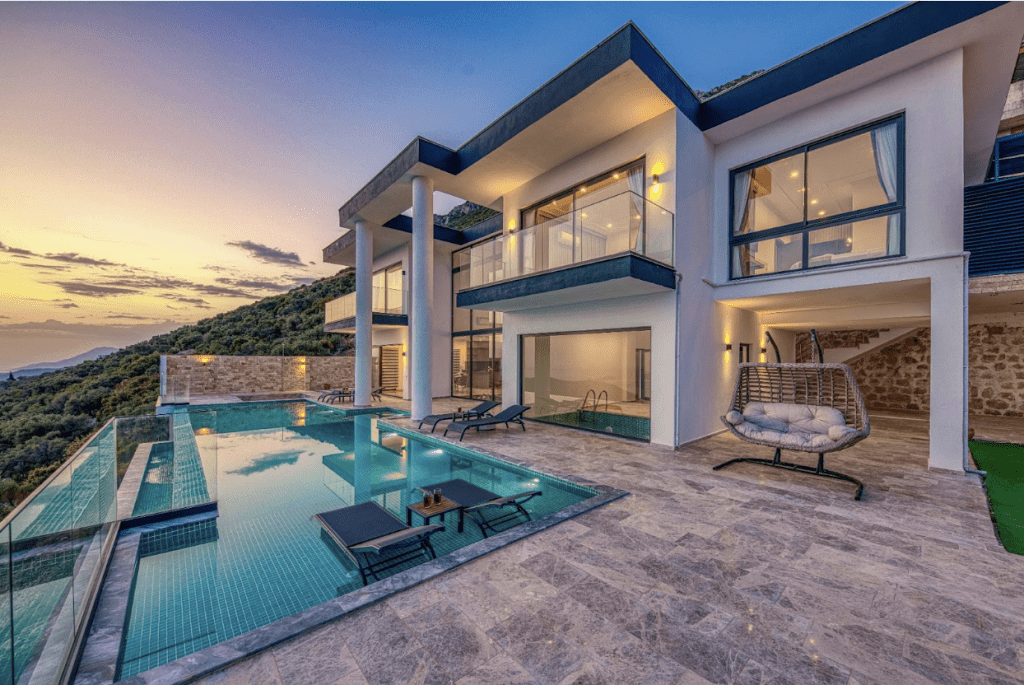
The concept of the virtual estate has transformed how elite properties are designed, marketed, and experienced. What once existed as static images or architectural drawings is now evolving into living digital environments powered by 3D architectural visualization rendering. A modern 3D rendering studio can recreate an entire estate before construction begins, allowing developers, architects, and buyers to interact with the property months or even years before completion. This shift changes everything. Buyers are no longer asked to imagine the future—they can walk through it, adjust it, and even host events inside it digitally.
This transition reflects a bigger change in luxury real estate itself. Ultra‑high‑net‑worth buyers now see property not just as a physical asset but as a media platform. A digital twin enables real-time presentation, testing, and activation of the estate. Developers benefit by shortening the sales cycle and securing commitments earlier. Digital twins enable buyers to explore every material, space, and lighting condition remotely, helping them make faster, more confident decisions.
The Digital Twin as a Media Asset for Global Brands
A digital twin is more than a visual model. It becomes a working media environment that developers can share with global luxury brands well before construction is complete. According to industry research, digital twins are highly detailed virtual replicas that enable buyers and stakeholders to explore layouts, materials, and lighting remotely, improving engagement and accelerating decision‑making.
Luxury brands, such as fashion houses and hospitality companies, use these environments to plan their presence in future estates. They can evaluate event layouts, lighting conditions, guest movement, and camera angles. This is where architectural visualization services become essential. They provide the technical precision needed to make every surface, reflection, and spatial relationship accurate enough for real‑world planning. The digital twin allows collaboration between architects, brand managers, and creative directors. Everyone works inside the same virtual estate.
Property Activations: Beyond Traditional Marketing
Selling a luxury estate today means creating experiences before the building exists. Property activations enable developers to use digital twins as immersive environments for virtual events, launches, and private showcases. These activations might include exclusive brand previews, private digital yacht receptions, or invitation‑only fashion installations staged inside the digital model.
For ultra‑wealthy buyers, this creates an emotional connection. They do not simply observe their future home. They experience it as a platform for personal identity and influence. A 3d architectural visualization environment transforms ownership into something broader. The estate becomes a stage where legacy, reputation, and personal brand converge.
The Synergy Between Architecture and Luxury Fashion
Luxury fashion and architecture share the same values: exclusivity, storytelling, and visual impact. Fashion brands want environments that amplify their message. Architects want spaces that express vision. A 3d rendering firm connects these two worlds. Creative directors can enter the digital estate and test how their collections appear within the architecture.
This collaboration allows seasonal campaigns to be planned years in advance. Digital estates provide a private preview environment where brand leaders can experiment with lighting, staging, and movement. The value lies in access. Only a few people ever access these digital environments, reinforcing exclusivity. That exclusivity is central to luxury culture.
Strategic Advantages of Early-Stage Digital Activations
Early digital activations create measurable financial and strategic advantages. Developers can present the property as a completed environment while construction is still ongoing. This allows them to secure partnerships, attract investors, and generate early media attention. Professional 3d architectural visualization services provide a visual platform that evolves alongside the physical project.
Digital twins also reduce the need for expensive physical staging. Instead of building temporary installations, developers reuse digital assets. These assets remain useful throughout the property’s lifecycle. The estate becomes both a physical destination and a permanent digital platform.
Technical Mastery: What Ultra-Luxury Buyers Expect from a Studio
Ultra‑luxury buyers expect technical perfection. They want visuals that match reality without compromise. A professional 3d visualisation company must deliver technical accuracy, emotional storytelling, and scalability. These elements distinguish standard visualization from elite production.
- Photorealistic lighting and materials that replicate marble, glass, and luxury finishes exactly.
- Real‑time interaction tools that allow buyers and brands to explore and test layouts instantly.
- Cinematic storytelling that communicates atmosphere, emotion, and prestige.
- VR and AR integration that allows immersive previews on location.
- Scalable assets that work across presentations, campaigns, and investor meetings.

Bridging the Gap: How 3D Studios Enable Early-Stage Property Activations
Some luxury developers now use digital estates to host preview events before construction finishes. These events allow brands to experience the property virtually and secure their participation early. The process begins with architectural CAD models, which are converted into detailed digital environments by a 3d rendering company.
Once complete, these digital environments support event planning, marketing production, and investor presentations. Brands can walk through virtual gardens, ballrooms, or waterfront terraces. This allows planning timelines to move forward months earlier. It also ensures that marketing campaigns align perfectly with the final architecture.
The Future of Property Sales: From Blueprints to Brand Platforms
Luxury properties are becoming media platforms. Their value is no longer limited to physical space. Instead, value includes digital presence, brand partnerships, and experiential potential. A 3d architectural visualization services provider helps maintain this digital identity over time.
Architects are now designing spaces with digital activation in mind. They consider camera angles, storytelling perspectives, and the potential for an immersive experience. The estate exists simultaneously in physical and digital form. This dual existence expands its reach and influence.
Conclusion
Luxury real estate has entered a new era. Properties now exist as both physical structures and digital environments. Digital twins allow developers and buyers to experience, activate, and share estates globally. The digital estate becomes a permanent media asset that evolves alongside the physical property.
This transformation reflects a fundamental shift in how value is created and perceived. Ultra‑luxury buyers expect precision, exclusivity, and flexibility. A trusted 3d rendering studio provides the technical and creative expertise needed to deliver these outcomes. As property and media continue to converge, the role of the 3D rendering studio will shape the future of luxury real estate.
Author

Written by
Recent Posts
Experiences You Can Only Enjoy on a Sailing Vacation in Italy
How Do THC Gummies Work?
Can I Bring CBD Gummies on a Plane
How Long Do Delta-9 Gummies Last?
Natural Stress Relief Practices, Exercises & Products for More Calm
Categories
- 2025 Social Life Events
- Access to Digital + Physical Magazine
- Art
- Articles
- Beauty & Skincare
- Beauty & Wellness
- Business Strategy
- Celebrities
- Chronicles
- Design History
- Design History|Design Trends
- Design History|Hamptons
- Design Process
- Design Process|Luxury Living
- Design Trends
- Design Trends|Hamptons
- Event Photos
- Events
- Family
- Fashion
- Fashion & Style
- Featured
- Food & Beverage
- Food, Spirits, Wine
- Hamptons
- Hamptons Celebrities
- Hamptons Design
- Hamptons Design|Design Process
- Hamptons Design|Luxury Living
- Hamptons|Luxury Living
- Health
- Health & Beauty
- Home & Design
- Home & Living
- Lifestyle
- Luxury Home Design|Design Process
- Luxury Home Design|Design Trends
- Luxury Home Design|Hamptons Design
- Luxury Home Design|Interior Design
- Luxury Lifestyle
- Luxury Living
- Luxury Living|Design Process
- Luxury Living|Hamptons
- Luxury Living|Hamptons Design
- Press
- Profiles
- Real Estate
- Technology
- The Chronicles
- Travel
- Trending
- Uncategorized
- Weddings
- Wellness