

You may have been driving an Audi Q7 TDI smoothly for years. The mileage keeps going up, but you never changed transmission fluid because you were told it was a miraculous “lifetime” thing.
Then the shifts start taking a little longer. You notice a small shudder when moving away from a stop. A few months later, the transmission begins to slip under load.
This is exactly why a regular transmission tune up matters on a 3.0 TDI.
These diesel engines produce a lot of torque, which puts continuous stress on the gearbox. Fluid, filters, seals, and other transmission parts all age over time, and you should not ignore them.
What a Transmission Tune Up Actually Involves

A proper transmission tune up is more than simply removing some old fluid and adding new one.
While we can not specify the exact work because it depends on the transmission installed in the vehicle, we can tell what a complete service may include:
- draining the old automatic transmission fluid;
- replacing the transmission filter;
- inspecting the transmission pan;
- checking for metal or unusual debris;
- inspecting seals and connectors for leaks;
- checking the mechatronic system where applicable;
- checking fluid level at the correct temperature;
- inspecting external transmission components.
The technician should also look at the condition of the old fluid. Burnt-smelling fluid or visible debris can be a sign that something needs more attention than just tuning.
Fluid Change vs. Full Transmission Service
A basic fluid change usually means draining the fluid that can be removed through the transmission pan or drain plug and replacing it with fresh fluid.
But a full service goes further. It may include a new filter, pan cleaning, inspection for debris, proper fluid-level adjustment, and a diagnostic check.
The correct method should depend on the gearbox, its condition, and its previous service history. If you do not know when the transmission was last serviced, tell the technician before any work begins.
Know Which Transmission You Have
Not every VW, Audi, or Porsche 3.0 TDI uses the same gearbox. Depending on the model, year, and market, you may find different automatic transmission designs.
That is important because VW TDI transmission service requirements are not identical across all vehicles.
DSG / S tronic
Dual-clutch transmissions use a different design from a conventional torque-converter automatic. They require the correct fluid, service procedure, and filter where applicable. The gearbox also contains a mechatronic system that controls shifting and clutch operation.
Aisin and Conventional Automatics
Some vehicles use conventional automatic transmissions with a torque converter. An Aisin 6-speed fluid change, for example, follows a different procedure from servicing a DSG.
Service Intervals: The Numbers That Matter
Regular fluid service is part of normal Audi 3.0 TDI gearbox maintenance. A useful general range for a fluid change is:
- DSG service interval: around 60,000–80,000 km;
- Aisin-type automatic: around 80,000–100,000 km.
But mileage should be considered alongside how the vehicle is actually used. For example, the transmission may be under more stress if the vehicle regularly tows, drives in heavy city traffic, or operates in very hot conditions.
Why “Lifetime Fluid” Can Be Misleading
You may see the phrase “lifetime fluid” on the fluid label. But do not let it mislead you. This phrase refers to the vehicle’s warranty period, which is around 5 years, not the car’s actual lifetime.
In practice, transmission fluid still deals with heat, pressure, friction, and contamination. This is particularly important in high-torque diesel vehicles, where the gearbox must handle substantial torque during acceleration and under load.
Use the Correct Transmission Fluid
The wrong fluid can cause poor shifting and other transmission problems.
Some VW-group applications may call for specifications such as VW G 055 025 A2, while certain compatible applications may use products such as Pentosin ATF 9.
But do not choose fluid from the model name alone. The safest approach is to check:
- the vehicle VIN;
- transmission code;
- manufacturer fluid specification;
- the specification printed on the replacement fluid.
The correct automatic transmission fluid can vary across gearboxes, even when the vehicles have the same engine. If you are buying a service kit, match both the fluid and filter to your exact transmission.
Warning Signs You May Have Waited Too Long
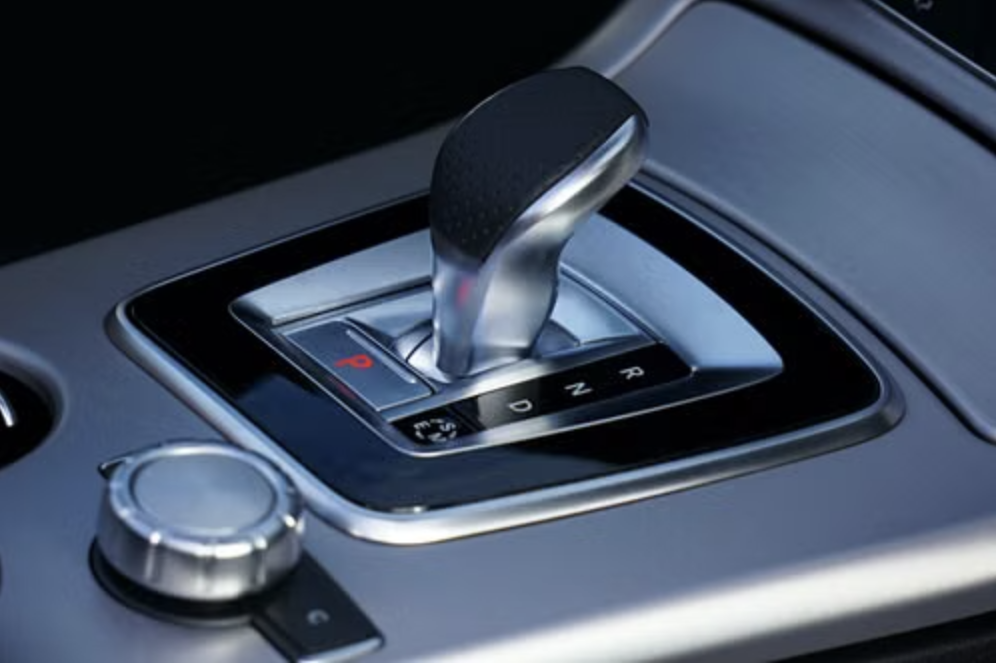
Transmission problems usually do not begin with complete failure. You will notice a few smaller changes first.
Delayed Shifts
You press the accelerator, but the transmission takes longer than usual to change gear.
You may also notice a delay when selecting Drive or Reverse. A slight delay can have several causes, but it should not simply be ignored if it keeps getting worse.
Shuddering
You may feel a vibration or shudder when pulling away, changing gear, or driving at a certain speed.
This can feel like the vehicle briefly shakes even though the engine itself seems to be running normally.
Slipping Under Load
Transmission slipping can feel as though engine speed rises, but vehicle speed does not increase normally.
It may be more obvious during hard acceleration, climbing a hill, or towing. This is a more serious warning sign and should be diagnosed quickly.
Hard or Rough Shifts
A gearbox that previously shifted smoothly may begin changing gears with a noticeable bump or jolt.
One rough shift does not automatically mean major damage, but repeated harsh shifting deserves attention.
Transmission Fault Codes
A diagnostic scan may also show gearbox-related fault codes.
Codes involving incorrect gear ratios or pressure-control problems may appear in ranges such as P0730–P0776, depending on the actual fault.
What Happens If You Ignore the Symptoms?
Old fluid alone does not cause every transmission failure. However, continuing to drive with slipping, pressure problems, overheating, or poor shifting can increase wear.
In some cases, what begins as a service or control problem can eventually involve the valve body, clutches, solenoids, or mechatronic system.
That is why a transmission tune up is much easier to plan before the gearbox is showing serious symptoms.
Practical Takeaways for 3.0 TDI Owners
You do not need to become a transmission specialist to take care of your gearbox. All you need is sticking to a few habits that can make a big difference:
- Check the service history. If you bought the vehicle used, find out whether the transmission has ever been serviced.
- Know your gearbox. Do not order parts until you have confirmed the exact transmission.
- Use the correct fluid. Match the ATF to the required OEM specification.
- Do not ignore changes in shifting. Delays, shuddering, slipping, or harsh engagement should be checked.
- Inspect for leaks. Transmission fluid TDI loss can quickly create bigger problems.
- Plan regular service. Depending on the gearbox and use, intervals around 60,000–100,000 km can be a useful service range.
- Use the correct filter and service parts. A fluid change with the wrong components can create more problems than it solves.
Final Thoughts
A transmission tune up is preventative maintenance, not a repair for every gearbox problem. For a healthy 3.0 TDI transmission, regular fluid and filter service can help you monitor its condition and catch problems before they become more serious.
The most important thing is to service the gearbox you actually have. DSG, S tronic, Aisin, and other automatic transmissions have different fluid requirements and procedures.
If your 3.0 TDI is approaching its next service interval, you can browse OEM-spec transmission fluid and filter kits at SUSTDI and match the service parts to your exact vehicle before starting the job.
Author

Written by
Recent Posts
How to Prepare a Home for Sale When Major Repairs Are Not Affordable
From Everyday Comfort to Personal Style: My SHEIN Slipper Habit
5 Best Mitsubishi Heat Pump Companies in Seattle
Tech Gadgets as Modern Corporate Gifts: Useful Ideas for Employees and Clients
Simple Ways to Maintain Your Energy During a Busy Week
Categories
- Art
- Articles
- Business of Luxury
- Celebrities
- Culture
- Entertainment
- Events
- Faces of Summer 2026
- Fashion
- Fashion & Style
- Featured
- Finance
- Food, Spirits, Wine
- Hamptons
- Hamptons Celebrities
- Health
- Health & Beauty
- Lifestyle
- Luxury Lifestyle
- Press
- Profiles
- Real Estate
- Technology
- The Chronicles
- Travel
- Uncategorized
- Weddings