

Tupac Shakur Net Worth 2026: The Estate That Prints Money
When the bullets hit Tupac Amaru Shakur in a Las Vegas drive-by on September 7, 1996, the world lost one of the most electric voices in music history. What most people don’t know is that the world also lost someone who was, by any financial measure, nearly broke.
Tupac had $200,000 to his name. No real estate. No retirement accounts. No stocks. A checking account with $105,000 and a five-figure life insurance policy. He was $4.9 million in debt to Death Row Records. He’d sold $60 million worth of albums that year alone. The math doesn’t add up unless you understand the 90s record deal machine, which treated artists like raw material and kept the finished product for itself.
Today, nearly three decades later, Tupac’s estate is estimated to be worth between $40 million and $100 million. The artist who died in debt became more profitable dead than alive. This is the story of how.
Death Row’s Financial Trap
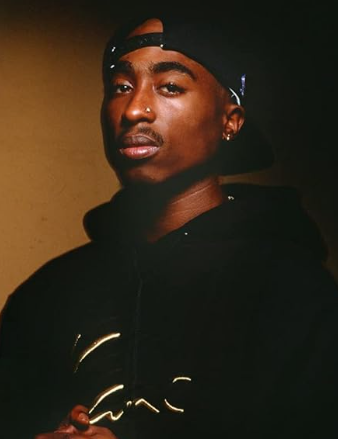
Tupac signed with Death Row Records in 1995, shortly after Suge Knight helped secure his release from prison. The deal was a devil’s bargain in the most literal sense. Knight posted $1.4 million in bail. In exchange, Tupac owed Death Row multiple albums, and the label controlled virtually all revenue streams from those recordings.
The contract structure meant that despite All Eyez on Me selling over 10 million copies, the revenue flowed through Death Row’s accounting, where expenses, advances, and deductions consumed everything. Tupac’s mother, Afeni Shakur, later revealed that her son didn’t own the mansion he lived in. He didn’t own most of the cars he drove. The lifestyle was a set piece constructed by a label that understood the commercial value of visible wealth better than the artist did.
Afeni Shakur: The Real Financial Architect
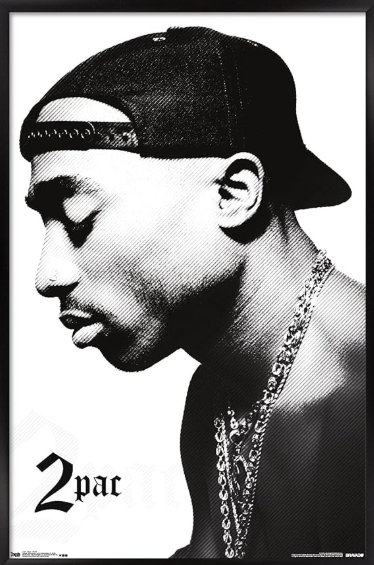
Tupac died without a will. Under California law, his estate passed to his mother, a former Black Panther Party member who’d spent time in prison before Tupac was born. Afeni Shakur inherited a legal mess: competing claims from Death Row, outstanding debts, and a catalog of unreleased music trapped in contractual quicksand.
What happened next is one of the most underrated business stories in music. Afeni spent years in litigation, renegotiating contracts and fighting to reclaim her son’s music rights. She oversaw the release of seven posthumous albums, each one generating millions. She licensed Tupac’s image and name for documentaries, merchandise, and the 2003 documentary Tupac: Resurrection, which was nominated for an Academy Award.
According to Forbes, Tupac’s estate earned over $40 million cumulatively since his passing. In some years, annual earnings approached $9 million from music royalties, merchandise, and licensing alone. The estate consistently ranks among the highest-earning deceased celebrities.
The Legal Battles That Won’t Stop
The estate’s growth hasn’t been frictionless. In 2018, the estate won a significant victory when Entertainment One was ordered to pay six figures in royalties and return all remaining unreleased recordings. In 2022, Tupac’s sister Sekyiwa Shakur sued Tom Whalley, the executor of Afeni’s estate (Afeni died in 2016), alleging he paid himself over $5.5 million in fees across five years.
Meanwhile, the trial of Duane “Keffe D” Davis, the only suspect ever charged in Tupac’s 1996 murder, has been delayed until February 2026. Nearly 30 years after the shooting, the legal infrastructure around Tupac’s life and death continues to generate news cycles, which generate search traffic, which keeps the estate commercially relevant.
The Posthumous Business Model
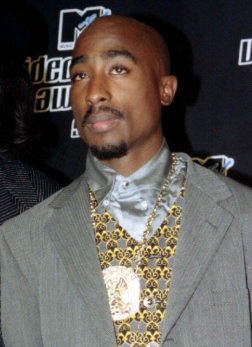
Tupac’s estate earns money from five primary sources: music royalties (approximately $5 million annually), licensing deals ($3 million), merchandise ($2 million), documentaries and film projects ($1 million), and digital content including NFTs and hologram technology ($500,000). The estate’s annual income is estimated at roughly $11.5 million.
Streaming has been particularly transformative. Tupac’s music reaches new audiences daily on Spotify, Apple Music, and YouTube. The 2012 Coachella hologram performance, while controversial, demonstrated the commercial potential of digital resurrection. The technology keeps improving, and the estate controls the rights.
What the Tupac Estate Teaches About Wealth
The contrast between Tupac’s financial state at death and his estate’s current value is a masterclass in several principles that anyone managing generational wealth should understand. First: intellectual property appreciates. Tupac’s music catalog is worth exponentially more today than when he recorded it. Second: active management transforms passive assets. Afeni didn’t just inherit a catalog. She fought for it, curated it, and monetized it strategically.
Third, and this is the uncomfortable one: the system that impoverished Tupac in life created the scarcity that made his legacy valuable in death. Limited original recordings plus unlimited cultural demand equals perpetual revenue. It’s the same math that drives the current catalog gold rush.
Tupac Shakur died with $200,000 and more influence than most billionaires. His estate now generates eight figures annually. The artist who rapped about inequality became the ultimate case study in it. And somewhere in those numbers is a lesson about what we value, when we value it, and who gets paid.
Want to feature your brand alongside stories like this? Contact Social Life Magazine about partnership opportunities. Join us at Polo Hamptons this summer. Subscribe to the print edition or join our email list for exclusive content. Support independent luxury journalism with a $5 contribution.
Author

Written by
Recent Posts
Beat the Summer Heat Safely: 5 Practical Styling Hacks for Boat Trips and Lake Days
First Date Outfit Ideas: Flattering and Budget-Friendly Dresses to Wear Tonight
Biomechanical Tattoo in LA: When Futuristic Body Art Becomes Personal Style
Choosing the Right Patio Door Style for Your Home’s Architecture
The Ultimate Guide to Hermès: How Buyers Compare Condition, Style, and Long-Term Value
Categories
- Art
- Articles
- Business of Luxury
- Celebrities
- Entertainment
- Events
- Faces of Summer 2026
- Fashion
- Fashion & Style
- Featured
- Finance
- Food, Spirits, Wine
- Hamptons
- Hamptons Celebrities
- Health
- Health & Beauty
- Lifestyle
- Luxury Lifestyle
- Press
- Profiles
- Real Estate
- Technology
- The Chronicles
- Travel
- Uncategorized
- Weddings