
Choosing the right window style is one of those decisions that seems simple until you actually start comparing options. Awning, sliding, and casement windows all do the same basic job of letting in light and air, but they behave very differently once installed. Understanding how each style opens, seals, and performs can save homeowners from a costly mismatch between design and function.
Awning Windows
Awning windows are hinged at the top and open outward from the bottom, creating a small overhang similar to an awning. This design makes them a favourite in climates with frequent rain, since they can stay open during a light shower without letting water inside. They also work well in bathrooms and basements, where a narrow, high-set window is common.
Because the sash tilts outward, awning windows create a strong seal when closed, which makes them a solid choice for homeowners focused on energy efficiency. The trade-off is that they are usually smaller in scale and are not typically used as a primary living-area window, though they pair nicely alongside larger fixed panes or sliding units.
Sliding Windows
Sliding windows move horizontally along a track, with one or both panels able to glide open. They are popular in modern homes because they offer wide, unobstructed glass with a clean, minimal frame line. Since there is no sash swinging outward, sliding windows are ideal for spaces where an awning or casement window would get in the way, such as next to a walkway or patio area.
Sliding windows are also relatively low maintenance. With no hinges or cranks to wear out, the main mechanism to look after is the track and rollers, which stay smooth with occasional cleaning. Many homeowners choose sliding windows specifically for their large glass area, since they let in significantly more natural light than smaller hinged alternatives.
Casement Windows
Casement windows are hinged on the side and open outward using a crank handle, similar in principle to a door. Because the entire sash swings open, casement windows offer excellent ventilation and can direct airflow into a room more effectively than a sliding window of the same size. They also seal very tightly when closed, which makes them a strong performer for energy efficiency.
The main consideration with casement windows is clearance. Since they open outward, they need unobstructed exterior space, which can be a limitation on balconies, walkways, or tight side yards. When space allows, though, casement windows remain one of the most airtight and functional styles available.
Choosing the Right Style for Your Home
There is no single best window style. The right choice depends on the room, the climate, and the look a homeowner wants to achieve. A few practical points are worth weighing before deciding:
- Awning windows suit wet climates and smaller openings like bathrooms
- Sliding windows suit larger openings where wide glass and easy operation matter
- Casement windows suit rooms where maximum airflow and a tight seal are priorities
- Exterior clearance should always be checked before choosing a hinged style
- Frame material affects both maintenance and long-term appearance
Why Frame Material Matters as Much as Style
Style is only half the equation. The frame material determines how a window performs over time and how it looks against the rest of the home’s exterior. Timber has a classic appeal but demands regular upkeep, while uPVC is low maintenance but can feel bulky in a modern design. This is why more homeowners are turning to aluminium framing, which combines strength with a slim profile that suits contemporary architecture.
Good looking aluminium windows have become especially popular for renovations where homeowners want large glass areas without a chunky frame interrupting the view. Aluminium does not warp or rot the way timber can, and it holds up well against harsh weather, making it a practical long-term investment as well as an attractive one.
Final Thoughts
Whether it is an awning window tucked into a bathroom, a sliding window opening onto a patio, or a casement window catching a cross breeze, each style has a place in a well-designed home. The key is matching the window’s function to the room it serves. For homeowners weighing up their options, aluminium windows offer a versatile, durable base that works well across awning, sliding, and casement styles alike, giving a home a cohesive look from room to room without compromising on performance.
This is a sponsored post in partnership with Window Factory.
Author

Written by
Recent Posts
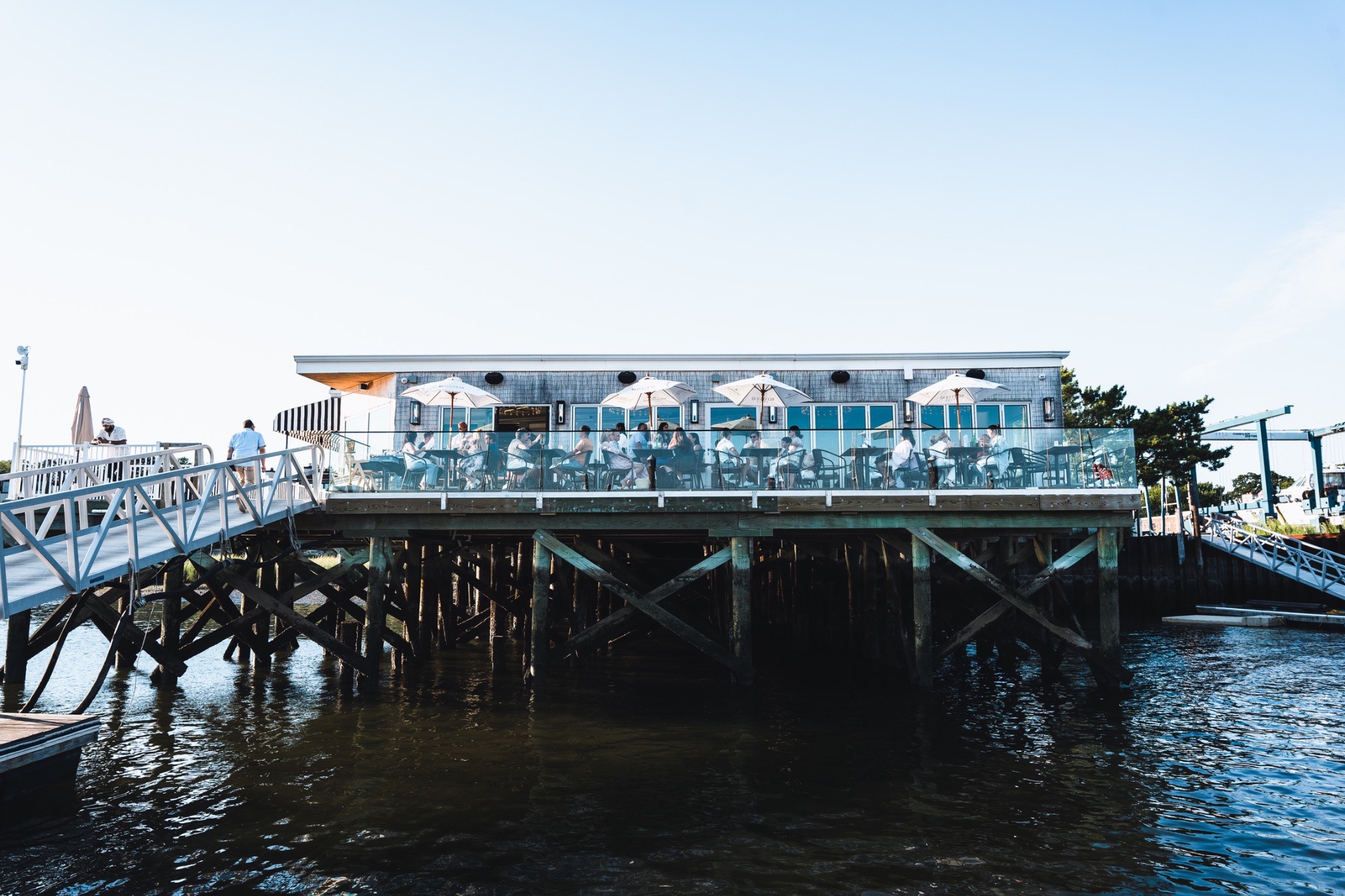
Nino’s Beach Brings Generations of Italian Hospitality to the Port Washington Waterfront

The Self-Made Man Who’s One Phone Call From Ruin

Everyone Out Here Is Loaded. Nobody Feels Rich.

What to Do When Illness Threatens a Trip You Already Paid For
How Independent Watch Brands Are Challenging Traditional Luxury
Categories
- Art
- Articles
- Business of Luxury
- Celebrities
- Culture
- Entertainment
- Events
- Faces of Summer 2026
- Fashion
- Fashion & Style
- Featured
- Finance
- Food, Spirits, Wine
- Hamptons
- Hamptons Celebrities
- Health
- Health & Beauty
- Lifestyle
- Luxury Lifestyle
- Press
- Profiles
- Real Estate
- Technology
- The Chronicles
- Travel
- Uncategorized
- Weddings