
For years, being “fit” meant something very specific in the public imagination: visible muscle tone, low body fat, good posture, and enough stamina to look comfortable doing it all on Instagram. Strength was aesthetic. Health was visual. If you looked good, you were assumed to be good.
That definition is quietly collapsing.
Today, the most informed athletes, trainers, clinicians, and wellness insiders are working from a different premise entirely: real fitness is not just built in the gym; it is engineered internally. Muscle, energy, recovery, mood, immunity, and even body composition are downstream effects of what’s happening inside the body—particularly in the gut, the immune system, and the metabolic signaling pathways that connect them.
Being fit “inside and out” is no longer a metaphor. It’s a biological reality.
The Outside: Muscle, Strength, and Performance Still Matter
Let’s be clear: muscle still counts. Strength still matters. Physical training remains non-negotiable.
Resistance training improves insulin sensitivity, preserves bone density, protects joints, and regulates hormones. Lean muscle mass correlates strongly with longevity and metabolic health, especially as we age. Cardio fitness supports cardiovascular resilience and cognitive function. Mobility keeps injury at bay and allows the body to move efficiently rather than compensate poorly.
But here’s the shift: external performance is now understood as an output, not a starting point.
Two people can follow identical training programs and diets and see dramatically different results. One recovers quickly, builds muscle efficiently, and maintains steady energy. The other feels inflamed, stalls in progress, struggles with digestion, or experiences constant fatigue. The difference is rarely discipline. It’s biology.
And that biology starts inside.
The Inside: Why the Gut Is No Longer Optional in Fitness Conversations
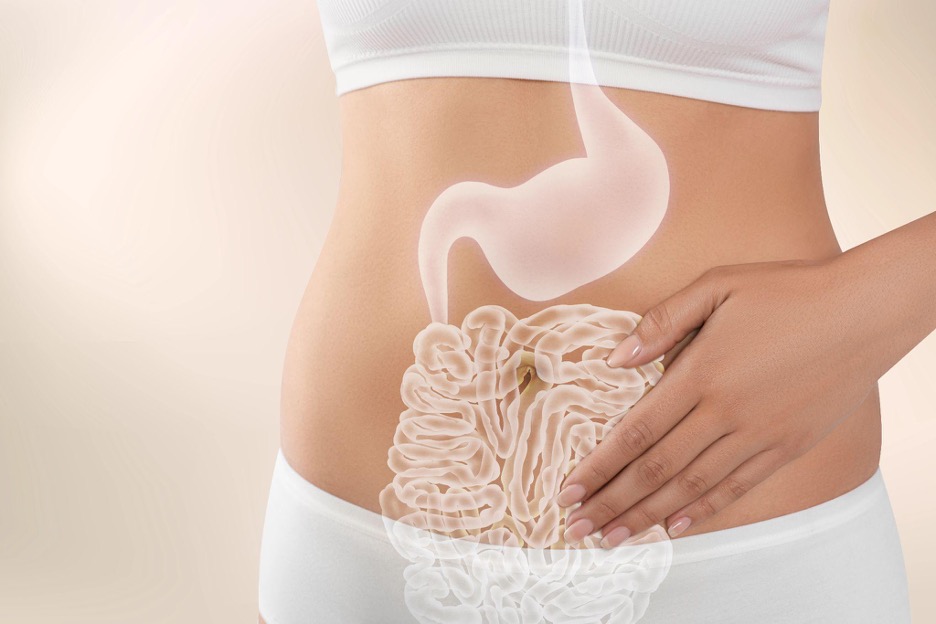
The gut is not a passive digestive tube. It is a dynamic system that influences nearly every major function relevant to fitness.
Your gut microbiome—trillions of bacteria, viruses, and fungi living primarily in the intestines—plays a direct role in:
- Nutrient absorption and bioavailability
- Inflammation regulation
- Immune response
- Hormonal signaling
- Energy metabolism
- Muscle protein synthesis support
- Recovery from physical stress
A compromised gut can blunt the benefits of even the most disciplined training routine. Poor microbial balance has been linked to chronic inflammation, impaired glucose control, increased fat storage, and reduced exercise capacity.
This is why elite performance circles are no longer treating gut health as a side topic. It’s foundational.
In the first half of this internal shift, some approaches remain blunt: generic probiotics, one-size-fits-all supplements, or wellness trends that look good but lack mechanistic depth. More informed players are moving in a different direction—toward precision bioactives that work with the body’s signaling systems rather than overwhelming them.
This is where Enclave Bioactives has entered the conversation not as another supplement brand, but as a smarter way of approaching what gut health actually requires. Instead of throwing strains and compounds at the body indiscriminately, their work focuses on targeted bioactives designed to support microbial balance, gut-immune interaction, and metabolic communication.
For those who want to understand how the inside of the body shapes physical performance, it’s worth examining their approach directly at enclavebioactives.com—not as a shopping exercise, but as an education in how modern internal fitness is being rethought.
Muscle Is Built With Signals, Not Just Protein
One of the most persistent myths in fitness culture is that muscle growth is purely a function of protein intake and mechanical load. Both matter, but neither operates in isolation.
Muscle hypertrophy depends on a complex cascade of signals involving:
- Amino acid sensing
- Insulin and IGF-1 pathways
- Inflammatory mediators
- Gut-derived metabolites
- Mitochondrial efficiency
If the gut is inflamed or dysregulated, protein absorption can be impaired and anabolic signaling dampened. If systemic inflammation is chronically elevated, recovery slows and muscle breakdown increases. If the microbiome is unbalanced, energy extraction from food becomes inefficient and unpredictable.
This explains why some people “do everything right” and still plateau. Their internal environment is working against their external goals.
True fitness requires coherence between training stress and internal readiness.
Energy, Mood, and the Quiet Role of the Microbiome
Fitness is often discussed in physical terms, but energy and motivation are just as critical as muscle mass. You can have a perfect program on paper and still fail to execute if your nervous system is depleted.
The gut produces or modulates a significant portion of neurotransmitters and neuromodulators linked to mood and focus, including serotonin precursors and short-chain fatty acids that influence brain function.
Dysbiosis—an imbalance in gut microbes—has been associated with brain fog, low motivation, anxiety, and poor stress tolerance.
In practical terms, this means internal health determines whether training feels sustainable or punishing. The people who appear “naturally disciplined” are often those whose internal systems support consistency rather than sabotage it.
This is one reason the conversation around fitness is expanding beyond aesthetics into resilience.
Recovery Is the New Status Symbol
In celebrity and high-performance circles, recovery has become the quiet marker of real fitness. Not the loudest workout. Not the most extreme diet. But the ability to bounce back.
Recovery is where inside and outside intersect most clearly. Muscle repair, connective tissue healing, immune modulation, and nervous system recalibration all depend on internal resources. Sleep quality, gut integrity, micronutrient status, and inflammatory balance dictate how quickly the body adapts rather than breaks down.
When recovery is compromised, people chase intensity. When recovery is optimized, intensity becomes optional rather than compulsory.
This is why modern fitness isn’t louder—it’s more intelligent.
The New Definition of “Looking Fit”
Visually, the shift is subtle but real. The new fitness ideal isn’t maximal leanness at all costs or exaggerated muscle mass. It’s robustness. Strength without fragility. Energy without volatility. A body that performs under stress and recovers without drama.
From the outside, it still looks good. From the inside, it works.
That internal stability shows up as:
- Consistent body composition
- Stable digestion even under training load
- Fewer injuries
- Better sleep
- Clearer cognition
- More predictable energy
These aren’t luxuries. They’re signals that the system is aligned.
Fit Inside and Out Is Not a Trend—It’s a Correction
What’s happening now isn’t a reinvention of fitness. It’s a correction. The industry spent decades overemphasizing output while ignoring infrastructure. Now the infrastructure is finally getting attention.
Being fit inside and out means training the body you can see while supporting the systems you can’t. It means understanding that abs don’t guarantee metabolic health, and strength doesn’t compensate for chronic inflammation. It means recognizing that the gut, immune system, and microbiome are not wellness add-ons, but core performance assets.
For those willing to look past surface metrics, fitness becomes less frantic and more sustainable. Less about proving something, more about building something that lasts.
And in a culture obsessed with appearance, that may be the most chic evolution of all.
Author

Written by
Recent Posts

Breaking Bad Cast Net Worth. $130 Million Cooked in Five Seasons of Perfect Television

Cailee Spaeny Net Worth — From Springfield, Missouri to A24 and Alien in Three Years Flat

Wagner Moura Net Worth — He Learned Spanish to Play Escobar. Then He Learned English to Take Hollywood.

Robert Eggers Net Worth — He Made a $3.5 Million Film in Puritan English and Hollywood Listened

Brie Larson Net Worth — A $6 Million Indie Film Won Her an Oscar. Marvel Paid Her the Rest.
Categories
- Art
- Articles
- Beauty & Skincare
- Celebrities
- Celebrities|Movies
- Celebrities|The Chronicles
- Chronicles
- Entertainment|Culture
- Event Photos
- Events
- Fashion
- Fashion & Style
- Featured
- Food & Beverage
- Food, Spirits, Wine
- Hamptons
- Hamptons Celebrities
- Hamptons Celebrities|Celebrities|The Chronicles
- Health
- Health & Beauty
- Lifestyle
- Luxury Lifestyle
- Movies|Culture
- Movies|Hamptons Lifestyle
- Press
- Profiles
- Real Estate
- Technology
- The Chronicles
- Travel
- TV
- Uncategorized
- Weddings