
Owning a luxury country estate sounds idyllic. You can enjoy acres of landscaped grounds, beautiful interiors, quiet mornings, and plenty of space away from city life. What is less visible is the amount of work required to keep a large property looking effortless. Unlike a typical home, an estate is a collection of interconnected systems. There may be extensive gardens, guest houses, swimming pools, private roads, security equipment, heating and cooling systems, water features, garages, workshops, and recreational facilities. Each requires attention.
Small problems can quickly become expensive ones when they are overlooked. That is why successful estate maintenance is less about reacting when something breaks and more about creating reliable routines throughout the year. So, here is what it takes to keep a luxury country property running smoothly in every season.
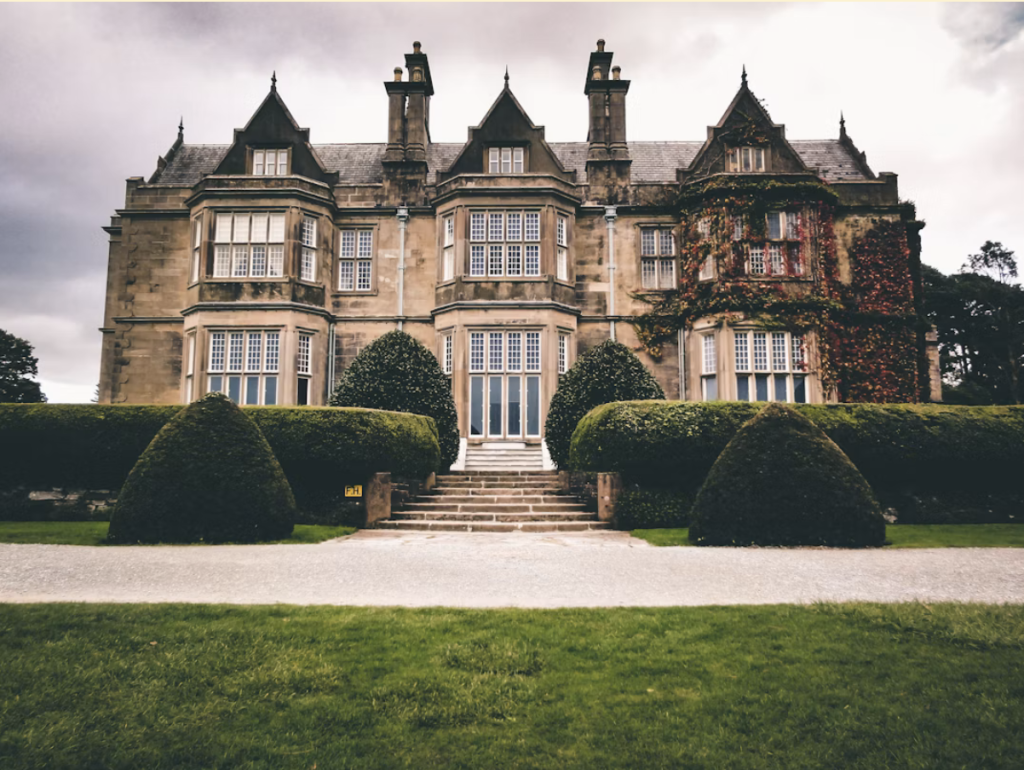
Managing Complex Grounds: Landscaping and Seasonal Property Audits
One of the hallmarks of a country estate is often its grounds. But keeping them in good condition requires a lot more than mowing them every couple of weeks. Formal gardens, woodland, mature trees and hedges, ponds, irrigation systems, orchards, driveways, fences, outdoor lighting, terraces and swimming areas are all examples of things included for large properties. They all have individual maintenance programs. That will vary from one season to another.
Spring is typically one of the hottest seasons. Irrigation should be tested, trees should be examined, beds should be prepared, outdoor furniture or recreational areas should be restored, and winter damage should be evaluated. During the summer, people tend to get busy with irrigation, lawn maintenance, pruning, pest control, and preparing for guest visits to the entertainment area.
Fall is the time for leaf collection, drainage, tree care, and preparing for the fall season. Exposed pipes, irrigation lines, outdoor equipment, roofs, gutters, and pathways may all need some attention before winter. This is easier to handle with seasonal property audits. Estate managers should check on the property at regular intervals rather than waiting for the issues to manifest themselves and record any repairs that need to be made.
This is especially true after a severe storm. Extensive rain and heavy winds can impact drains and plumbing and freezing temperatures can reveal plumbing and exterior vulnerabilities. Also, photographic records and maintenance logs are helpful. They simplify the process of seeing the evolution of issues over time, and they help to find common issues before they turn into big projects.
Preventive Maintenance for High-End HVAC Systems and Estate Infrastructure
Behind the polished interiors of a luxury estate is usually a surprisingly complicated network of infrastructure. Large homes may have several HVAC zones, underfloor heating, generators, boilers, pumps, water filtration systems, smart-home technology, elevators, wine cellar climate controls, pool equipment, and separate systems serving guest houses or staff accommodation.
Waiting until one of these systems fails is rarely the best approach. Preventive maintenance should therefore be scheduled throughout the year. Particular attention should be paid to:
- HVAC systems — Service heating and cooling equipment regularly, replace filters, and inspect individual climate zones.
- Boilers and heating equipment — Arrange inspections before the colder months rather than waiting for the first freezing day to discover a problem.
- Plumbing — Check for leaks, pressure issues, frozen-pipe risks, and problems in rarely used guest houses or outbuildings.
- Generators and backup power — Test equipment periodically even if it has not been needed recently.
- Roofs, gutters, and drainage — Look for blocked gutters, damaged roofing materials, standing water, and signs of moisture intrusion.
- Water and pool systems — Maintain pumps, filtration equipment, private wells, irrigation systems, and swimming pools according to their individual service schedules.
- Electrical and smart-home systems — Inspect key installations and make sure automation, monitoring, lighting, and security integrations continue to work correctly.
Smart monitoring systems and leak detectors can provide an extra layer of protection. However, they should complement physical inspections rather than replace them. A useful approach is to create a central maintenance calendar covering every major asset. Service dates, warranties, contractor details, inspection results, and replacement schedules can all be recorded in one place.
Staffing Large Properties and Hiring Teams Through Property Caretaker Jobs for Couples
Technology can automate plenty of estate functions. However, large properties still depend heavily on people. The staffing model will vary according to the estate’s size and how frequently it is occupied. Some properties need a full team including an estate manager, housekeepers, gardeners, maintenance specialists, chefs, and security personnel. Others can operate effectively with a smaller permanent team supported by specialist contractors.
For country estates, live-in caretakers can be particularly practical. Having someone permanently on site means there is a person who understands the property, notices unusual changes, coordinates contractors, handles everyday maintenance, and can respond quickly when something goes wrong.
Some owners choose to employ couples because responsibilities can be divided according to experience and skills. For example, one person might focus primarily on grounds, vehicles, repairs, and contractors. The other person can manage housekeeping, guest preparation, deliveries, inventories, and administrative duties.
Estate owners and private property managers looking for this kind of arrangement can explore property caretaker jobs for couples via Jooble, where opportunities and candidates for live-in property management roles can be found. Whatever staffing model is chosen, responsibilities need to be clearly defined. On a large estate, vague job descriptions can easily create gaps where everyone assumes someone else is handling a task.
Security Systems, Emergency Preparedness, and Asset Protection Strategies
Country estates often provide privacy. After all, the house is a balance sheet with a social life. Their out-of-the-way locations may present special security issues, though. These are all forms of modern estate security that can be utilized: CCTV, motion sensors, perimeter alarms, automated gates, access controls, smart locks, vehicle monitoring, and remote surveillance. For a large property or one with high-value goods, you can also have dedicated security guards or security monitoring services. The key is to consider security as a system. It is important to plan for emergencies beyond intruders.
Fire, storms, flooding, long power outages, trees down, water leaks, heating failures, and road closures are all potential risks to country properties. If your property is located in a remote area, emergency services may also take longer to reach your property. A written emergency plan should include locations to turn off the electric, gas, and water. Good assets should have a protection plan. Specialty equipment, classic cars, antiques, art, and wine collections should be inventoried and covered under insurance.
Budgeting and Resource Allocation for Sustained Luxury Property Care
The maintenance of luxury estates can be costly. But often it is the uncertainty that is the more serious issue. If there is no planning, maintenance is reactive. This is smoothed out by a yearly estate budget.
Ongoing expenses are utilities, salaries, landscaping, cleaning, security, insurance, routine servicing, and contractor fees. These can then be differentiated from large capital investments like HVAC replacement, resurfacing driveways, redoing guest accommodation, and roof restoration.
There’s a value in long-term planning, too. Owners can look at all of the repairs collectively and develop multi-year plans for major systems. The costs of replacing a boiler, or a roof which is likely to need replacing in the next three years, can be planned for, rather than treated as an emergency.
Resource allocation also requires determining what can be done in-house and what can be done outside of the company. You can choose to hire regular maintenance staff for your permanent estate or hire a specialist like an electrician, HVAC technician, arborist, security guard, or restoration professional for more specific services.
Author

Written by
Recent Posts
How to Pick a Homecoming Dress for Your Body Type and Feel Amazing in It
How to Prepare a Home for Sale When Major Repairs Are Not Affordable
From Everyday Comfort to Personal Style: My SHEIN Slipper Habit
5 Best Mitsubishi Heat Pump Companies in Seattle
Tech Gadgets as Modern Corporate Gifts: Useful Ideas for Employees and Clients
Categories
- Art
- Articles
- Business of Luxury
- Celebrities
- Culture
- Entertainment
- Events
- Faces of Summer 2026
- Fashion
- Fashion & Style
- Featured
- Finance
- Food, Spirits, Wine
- Hamptons
- Hamptons Celebrities
- Health
- Health & Beauty
- Lifestyle
- Luxury Lifestyle
- Press
- Profiles
- Real Estate
- Technology
- The Chronicles
- Travel
- Uncategorized
- Weddings