
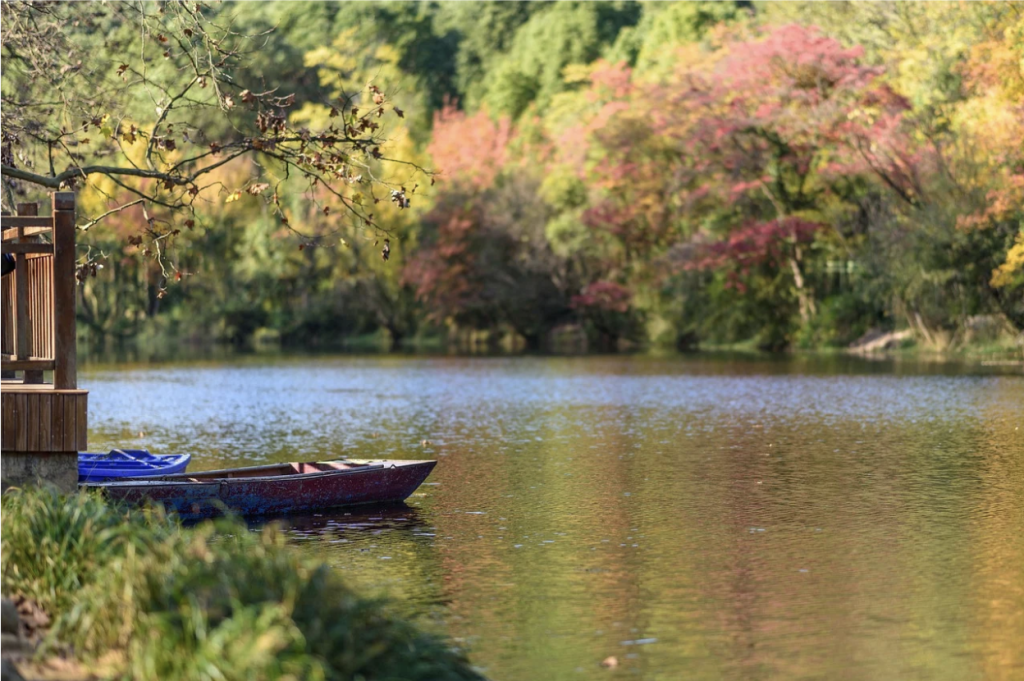
City breaks and resort escapes still have their place, but more travelers want something deeper. They’re trading packed itineraries for unhurried discovery and real connection with the places they visit.
River cruises deliver that shift perfectly. Gliding through landscapes, docking in lesser-known towns, and offering small-group intimacy, they feel personal in a way big cruises can’t match. Add wellness perks, sustainable practices, and local immersion, and you’ve got a travel format that’s quietly rewriting the rulebook.
Here is why river cruises are becoming the next big trend in experiential travel.
Access to Hidden Inland Destinations
Most commercial travel skips over the places in between. River cruises flip that. They drift through inland towns and villages you’d never reach on a tour bus or a plane.
Ports sit right in city centers or rural enclaves, not hours outside them. That means more time walking cobbled lanes, chatting with locals at open-air markets, or sipping wine where it’s made, on-site, not shipped.
In South America, for example, a luxury Amazon cruise moves deep into untouched rainforest regions like Pacaya-Samiria or the Río Ucayali, where traditional tourism barely reaches. Passengers explore tributaries that carve through indigenous territory, spotting wildlife up close without stepping into overcrowded hotspots.
Smaller Ships with Wellness-Focused Amenities
Another reason many travelers are choosing river cruises is the intimate, small-ship experience. Fewer passengers mean less crowding and a quieter environment, which feels refreshing compared to the hustle of massive ocean liners.
Wellness is often front and center on these vessels. Yoga sessions on open decks, healthy dining options featuring regional produce, and spa treatments tailored to rejuvenate are standard offerings now. Smaller ships also provide space for relaxation without noise or distractions.
Instead of cramming activities into every moment, passengers can unwind as they watch the water roll by. The focus shifts from just going places to truly being present in them, mentally and physically, a luxury that’s becoming more valuable in experiential travel today.
Immersive, Local-Led Cultural Excursions
Big cities often blur into one another on fast-paced trips. Travellers often leave with surface-level memories. River cruises take a slower route, docking in places where traditions run deep and communities remain rooted.
Local guides lead most excursions, not outsourced tour companies. That creates room for authentic exchange, whether it’s walking through centuries-old neighborhoods, joining a family-run cooking class, or listening to folk musicians who’ve played the same songs for generations.
For instance, on a Danube itinerary, you might spend the morning baking strudel in a Viennese apartment and the afternoon exploring an artisan village in Slovakia. Each stop becomes less about sightseeing and more about cultural conversation.
Lower Environmental Impact Compared to Ocean Liners
Many travelers now weigh the environmental cost of how they move around the world. Ocean liners, with thousands of passengers and heavy fuel consumption, tend to leave a much bigger footprint.
River cruise ships are smaller and lighter, using cleaner propulsion technologies like electric-assist engines or low-sulfur fuels. They also generate less waste onboard due to fewer guests and streamlined operations focused on sustainability.
Some operators have introduced water treatment systems, energy-efficient lighting, and stricter waste policies. It’s not just about checking boxes. It directly shapes how river cruising stays viable in delicate ecosystems where large vessels aren’t allowed or welcome anymore.
Seamless Travel Through Multiple Regions Without Unpacking
Hopping from one city to another usually means hauling bags, rechecking logistics, and burning energy between destinations. That wears down the novelty fast, even on exciting trips.
River cruises remove that hassle entirely. Your cabin is your home base as you drift across borders and landscapes. From medieval towns in France to vineyards in Austria, you explore more while physically doing less.
Each morning reveals a new location outside your window, with no need for early hotel checkouts or sprinting through terminals. The rhythm is slower but far more efficient. You absorb more because you’re not constantly starting over at each stop along the way.
Wrapping Up
Travel is shifting, and river cruises are catching the current just right. They’re built for those who value depth over flash and quiet moments over packed agendas.
If your next trip needs less chaos and more connection, the waterway route might be where it starts. Let the river do the work while you take in something real.
Author

Written by
Recent Posts
How to Measure Whether a Hair Loss Treatment Is Working
Is Online Psychiatry Covered by Insurance? What to Know Before Booking
Four Habits of Quietly Successful Entrepreneurs

The Most Common Preventable Health Concerns Doctors See Today
What Affects a Rideshare Injury Settlement?
Categories
- Art
- Articles
- Business of Luxury
- Celebrities
- Culture
- Entertainment
- Events
- Faces of Summer 2026
- Fashion
- Fashion & Style
- Featured
- Finance
- Food, Spirits, Wine
- Hamptons
- Hamptons Celebrities
- Health
- Health & Beauty
- Lifestyle
- Luxury Lifestyle
- Press
- Profiles
- Real Estate
- Technology
- The Chronicles
- Travel
- Uncategorized
- Weddings