
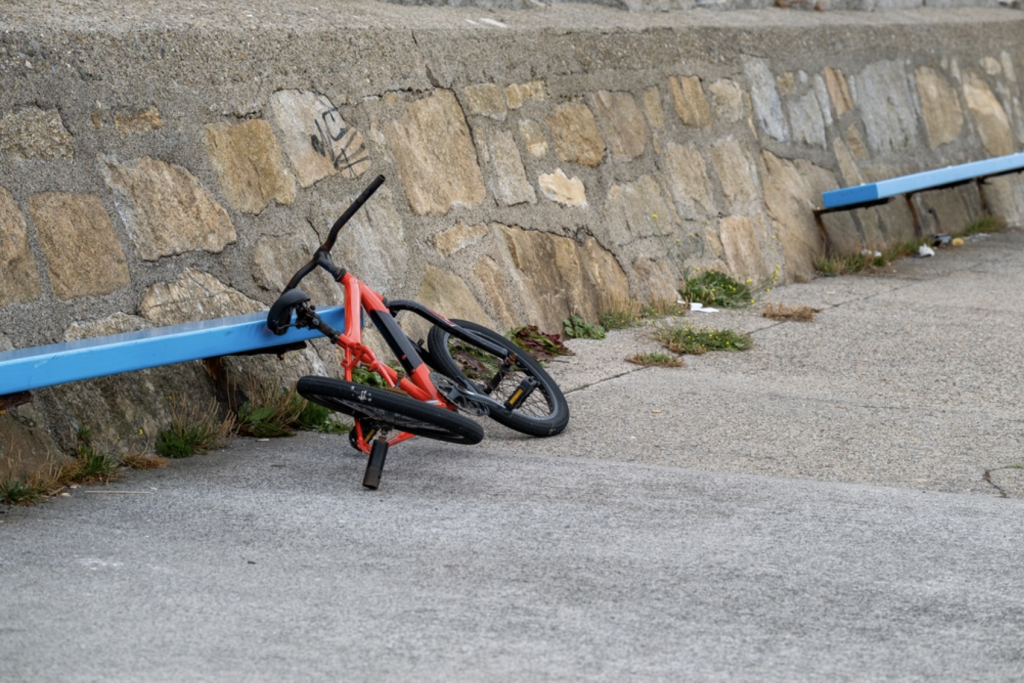
A bicycle rider can follow the rules of the road and still end up dealing with the consequences of someone else’s mistake. A driver who fails to yield, turns into a cyclist, or becomes distracted may contribute to a serious collision.
If the resulting injuries and losses cannot be resolved through the insurance process, a bicycle accident lawsuit may be considered. Before reaching that point, it is important to look closely at what caused the crash, what evidence exists, how serious the injuries are, and what financial losses can be documented.
When Another Person May Be Responsible
Responsibility is often the first issue to examine after a bicycle crash. The connection between the other person’s conduct and the collision can matter. A driver may have failed to yield, followed too closely, turned without checking for cyclists, or driven while distracted. Another person may also have contributed through unsafe conduct connected to the accident.
Useful information may include:
- The police accident report
- Photos of the road and damaged bicycle
- Statements from people who saw the crash
- Traffic or security camera footage
These details can help create a clearer account of what happened.
When Injuries and Losses Are Serious
A lawsuit may become a consideration if an accident causes substantial injuries or losses that affect health, work, or finances. Some crashes lead to emergency treatment, surgery, rehabilitation, or continuing care. An injured person may also miss work and lose income during recovery.
Records can help show the financial effect of the accident, including:
- Medical bills and treatment records
- Pay records showing lost income
- Rehabilitation or therapy expenses
- Bicycle repair or replacement costs
- Other documented accident-related expenses
The type of compensation available depends on the applicable law and facts of the claim.
When Insurance Will Not Resolve the Claim
Many injury claims begin with an insurance claim rather than a lawsuit. This gives the parties an opportunity to review the accident and losses before court action. The insurer may investigate the accident, review medical records, and consider the losses being requested. Sometimes the process does not produce an acceptable resolution.
Problems may arise if an insurer:
- Disputes who caused the crash
- Questions the seriousness of the injuries
- Challenges medical treatment
- Disagrees about the value of documented losses
- Delays or denies the claim
An insurance dispute can be one reason to consider further legal action.
When the Evidence Supports Your Account
Evidence matters because a lawsuit needs more than a general statement about what happened. A strong record can clarify the events surrounding the collision. Photos can show vehicle positions, road conditions, bicycle damage, and visible injuries. Medical records can connect treatment to the accident. Witnesses may provide information about what they saw before and during the collision.
Preserve records such as:
- Accident reports
- Photographs and videos
- Medical documents and bills
- Witness contact information
- Insurance letters and messages
- Employment records
Organized records can help a legal professional evaluate the claim.
When a Legal Deadline Is Approaching
Time also matters in a bicycle accident claim. A person may need enough time to collect records and review legal options. Laws set deadlines for filing many types of lawsuits, and the deadline can vary based on the state and type of claim. Insurance policies may also have their own reporting requirements.
Waiting until a deadline is close can make it harder to review the facts and prepare necessary documents. Identify applicable deadlines rather than assuming there is unlimited time.
What Should You Consider Before Filing?
Before deciding whether to file, consider the main facts surrounding the accident and the available claim. A review can show whether insurance may still resolve the issue.
- Is another person potentially responsible for the crash?
- How serious are the injuries?
- Can the medical and financial losses be documented?
- Is insurance coverage available?
- Has the insurer disputed or denied the claim?
- What evidence supports the account of the accident?
- What filing deadlines may apply?
These questions provide a useful starting point for discussing the situation with a qualified legal professional.
Choosing the Right Next Step
A bicycle accident lawsuit may make sense in situations where another party may be responsible, the injuries or losses are significant, and the claim cannot be fairly resolved through insurance. It may also deserve consideration if responsibility is disputed or the insurer refuses to recognize documented losses.
Reviewing the accident report, medical records, insurance communications, financial records, and available evidence can provide a clearer picture of the situation. A qualified legal professional can assess whether filing a lawsuit is appropriate.
Author

Written by
Recent Posts

Legal Challenges a Slip and Fall Attorney Can Handle for You
When Should You Consider Filing a Bicycle Accident Lawsuit?

How a Lawyer Builds an Injury Claim Against a Drunk Driver

How to Choose a Lawyer for a Distracted Driving Accident Case
Why Having a Family Doctor Can Make Preventive Healthcare Easier to Manage
Categories
- Art
- Articles
- Business of Luxury
- Celebrities
- Culture
- Entertainment
- Events
- Faces of Summer 2026
- Fashion
- Fashion & Style
- Featured
- Finance
- Food, Spirits, Wine
- Hamptons
- Hamptons Celebrities
- Health
- Health & Beauty
- Lifestyle
- Luxury Lifestyle
- Press
- Profiles
- Real Estate
- Technology
- The Chronicles
- Travel
- Uncategorized
- Weddings