
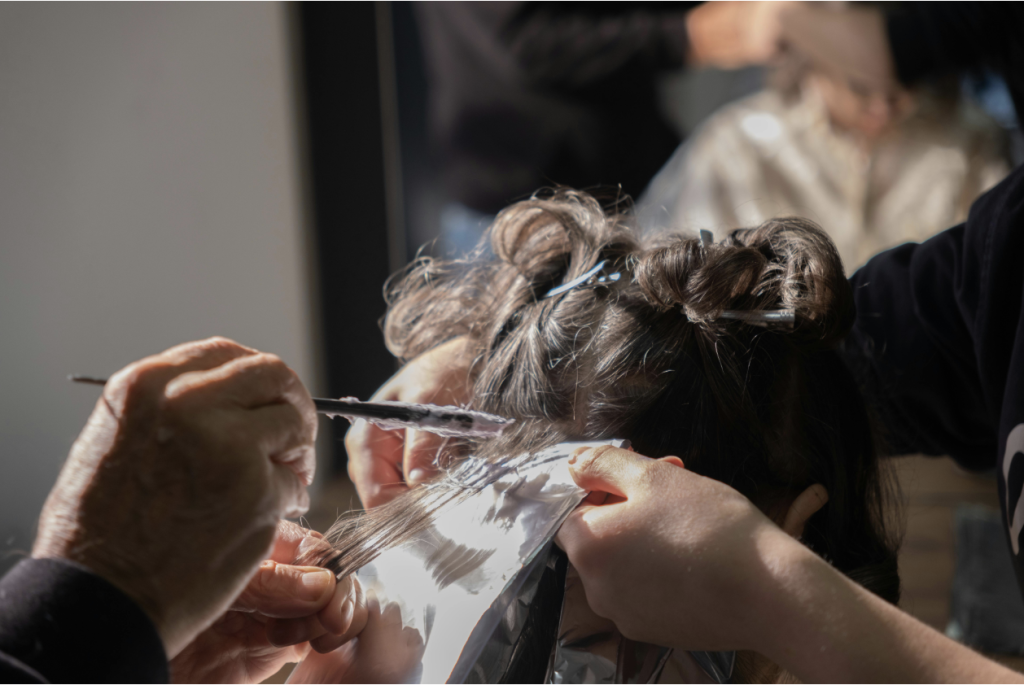
In the world of luxury hair care, top stylists are increasingly seeking out eco-friendly and sustainable products to meet the demands of their discerning clientele. This shift towards sustainability is not only a reflection of consumer preferences but also a testament to the industry’s commitment to environmental responsibility.
Stylists are now prioritizing products that align with eco-conscious values, sourcing essentials from brands that emphasize sustainability without compromising on quality. There is a trend that is reshaping the landscape of luxury hair care, with stylists turning to innovative solutions that combine luxury with environmental integrity. As a result, the demand for luxury items has surged, as they offer a range of eco-friendly products that cater to this growing need.
How Stylists Choose Sustainable Products
Top stylists are discerning in their selection of hair care products, often opting for those that incorporate natural and organic ingredients. These products are not only effective but also minimize the environmental impact associated with synthetic chemicals. By choosing brands that prioritize sustainable sourcing and eco-friendly packaging, stylists are able to offer their clients high-quality experiences that are both luxurious and responsible.
Stylists are also drawn to products that utilize innovative packaging solutions, such as recyclable or biodegradable materials. This commitment to reducing waste is a key factor in their decision-making process, as they seek to align their practices with broader sustainability goals.
Product Lifecycle and Training Sessions Matter Immensely
Beyond ingredients and packaging, top stylists are also evaluating the entire lifecycle of the products they use. This includes assessing the carbon footprint of manufacturing processes, the ethical treatment of workers throughout the supply chain, and the brand’s commitment to giving back to environmental causes. Many stylists now conduct thorough research into certifications such as B-Corp status, cruelty-free verification and fair trade compliance before introducing new products into their salons. This comprehensive approach ensures that every product on their shelves represents a genuine commitment to sustainability rather than simply capitalizing on green marketing trends.
Professional stylists are also increasingly attending specialized training sessions and workshops focused on sustainable product knowledge and green salon practices. These educational opportunities enable them to stay current with emerging eco-friendly technologies and understand the science behind sustainable formulations. Many stylists now participate in industry forums and online communities where they exchange insights about product performance, share reviews of sustainable brands and discuss best practices for implementing green initiatives in their salons. This collaborative approach to knowledge-sharing has created a network of environmentally conscious professionals who collectively raise the bar for sustainability standards across the industry.
Innovative Trends in Sustainable Hair Care
The hair care industry is witnessing a wave of innovation as brands develop new products that meet the dual demands of luxury and sustainability. Upcycled ingredients, which transform waste materials into valuable components, are becoming increasingly popular among stylists seeking unique and effective solutions.
Additionally, the rise of waterless products is revolutionizing the way hair care is approached. These concentrated formulas reduce water usage and packaging needs, offering a more sustainable option for both stylists and consumers. Advances in biotechnology are also paving the way for lab-grown ingredients, which replicate natural substances without depleting resources. One example is Manocoblue hair salon supplies, which is one brand responding to the growing demand for eco-friendly solutions. They are completely changing the face of high-quality products and are setting the benchmark for products, services and training.
Another exciting development in sustainable hair care is the emergence of refillable systems and salon-based refill stations. These innovative solutions allow clients to return their empty containers for refilling, dramatically reducing single-use plastic waste while maintaining the premium experience expected in luxury salons. Some forward-thinking brands are also experimenting with solid formulations such as shampoo bars and conditioning blocks, which eliminate the need for plastic bottles entirely while offering concentrated, long-lasting alternatives. These innovations are proving that sustainability and convenience can coexist, making eco-friendly choices more accessible and appealing to both stylists and their clients.
The integration of circular economy principles is transforming product development in the hair care sector. Brands are now designing products with end-of-life considerations in mind, creating packaging that can be fully recycled or composted and developing take-back programs where old containers are collected and repurposed. Some innovative companies are even partnering with ocean cleanup initiatives, using recycled ocean plastics to create new packaging materials. Additionally, the concept of “clean beauty” has expanded beyond just ingredients to encompass the entire production process, with brands investing in renewable energy for manufacturing facilities and carbon-neutral shipping options to minimize their environmental footprint throughout the entire supply chain.
Consumer Preferences Influencing Stylist Choices
Today’s consumers are more informed about the environmental impact of their purchases, driving stylists to select products that reflect these values. The demand for transparency and authenticity is prompting stylists to choose brands that are open about their sustainable practices and ethical commitments.
Stylists are increasingly aware that their clients value eco-friendliness alongside effectiveness and luxury. This awareness influences their product choices, as they aim to offer services that align with their clients’ environmental and ethical standards.
The millennial and Gen Z demographics are particularly influential in driving this shift toward sustainable hair care, as these consumers actively seek out businesses that demonstrate genuine environmental commitment. Stylists report that clients are now asking detailed questions about product ingredients, sourcing practices and environmental impact before booking services. This heightened awareness has transformed the salon consultation process, with stylists needing to be well-versed in sustainability credentials and able to articulate the environmental benefits of their chosen products. Social media has amplified this trend, as clients share their experiences with eco-conscious salons, creating a ripple effect that encourages more stylists to prioritize sustainability in their product selections.
The power of consumer advocacy has extended beyond individual purchasing decisions to create collective movements that shape industry practices. Online reviews and ratings now frequently include assessments of a salon’s environmental credentials, with clients praising or criticizing establishments based on their sustainability efforts. This public accountability has motivated stylists to not only adopt eco-friendly products but also to communicate their environmental initiatives effectively through social media, websites and in-salon displays. Many salons now showcase their sustainability achievements through certifications, awards and partnerships with environmental organizations, recognizing that transparency in their green practices has become a crucial factor in attracting and retaining clientele who prioritize environmental responsibility in their lifestyle choices.
Setting New Standards in the Luxury Market
The emphasis on sustainability in hair care is setting new benchmarks across the luxury market. As stylists adopt eco-friendly practices, they are influencing broader industry standards and encouraging other sectors to follow suit. This shift represents a redefinition of luxury, moving towards mindful consumption and responsible practices. By championing sustainability, stylists and brands alike are not only meeting consumer expectations but also leading by example. This proactive approach fosters innovation and drives competition, encouraging others to adopt greener practices and redefine what it means to be a leader in the luxury sector.
Leading stylists are discovering that sustainable practices can actually enhance the luxury experience rather than compromise it. By curating exclusive collections of artisanal, eco-friendly products with compelling origin stories, they’re creating a narrative that resonates deeply with affluent clients who value authenticity and purpose. High-end salons are redesigning their spaces to reflect these values, incorporating natural materials, energy-efficient lighting and water-saving technologies that create an atmosphere of mindful luxury. This holistic approach demonstrates that sustainability is not a sacrifice but rather an elevation of the luxury experience, appealing to clients who seek both indulgence and integrity in their purchasing decisions.
The convergence of luxury and sustainability is also influencing pricing strategies and value perception in the hair care market. Clients are increasingly willing to invest in premium-priced sustainable products when they understand the environmental and social benefits behind the cost. Stylists are finding that educating clients about the true value of sustainable products, including fair wages for workers, ethical ingredient sourcing and environmental protection, justifies higher price points and builds deeper client relationships. This shift is redefining luxury from mere exclusivity and opulence to encompass ethical responsibility and environmental stewardship, creating a new paradigm where the most prestigious salons are those that demonstrate the strongest commitment to sustainability while maintaining exceptional service quality and results.
The Future of Sustainable Hair Care
The potential for growth in sustainable hair care is vast, with opportunities for innovation and expansion. As consumer awareness continues to rise, stylists and brands will need to develop even more sophisticated eco-friendly solutions to stay ahead of the curve. Investing in sustainable practices offers numerous benefits, including increased brand loyalty and market differentiation. Ultimately, the continued emphasis on sustainability in hair care reflects a broader societal shift towards responsible consumption, setting an inspiring precedent for other industries to emulate.
Looking ahead, technological advancements promise to revolutionize sustainable hair care even further. Artificial intelligence and data analytics are being employed to optimize product formulations, reducing waste in development while creating more effective, personalized solutions. Technology is emerging as a tool for supply chain transparency, allowing stylists and consumers to trace ingredients from source to salon with unprecedented accuracy. Additionally, collaborative initiatives between brands, salons and environmental organizations are fostering industry-wide standards that will make sustainable practices the norm rather than the exception. As these innovations mature, the hair care industry is poised to become a model for sustainable luxury across all beauty sectors.
Hair Care At its Finest
The evolution of sustainable luxury hair care reflects a powerful alignment between stylist expertise, brand innovation and consumer values. Top stylists are no longer sourcing products based solely on performance but on ethics, transparency and environmental impact. By embracing eco-conscious formulations, responsible packaging and circular business models, they are redefining what it means to offer premium service. Sustainability has become a hallmark of modern luxury, elevating both the salon experience and industry standards. As innovation continues to accelerate, stylists will remain influential leaders, shaping a future where exceptional results and environmental responsibility go hand in hand.
Author

Written by
Recent Posts
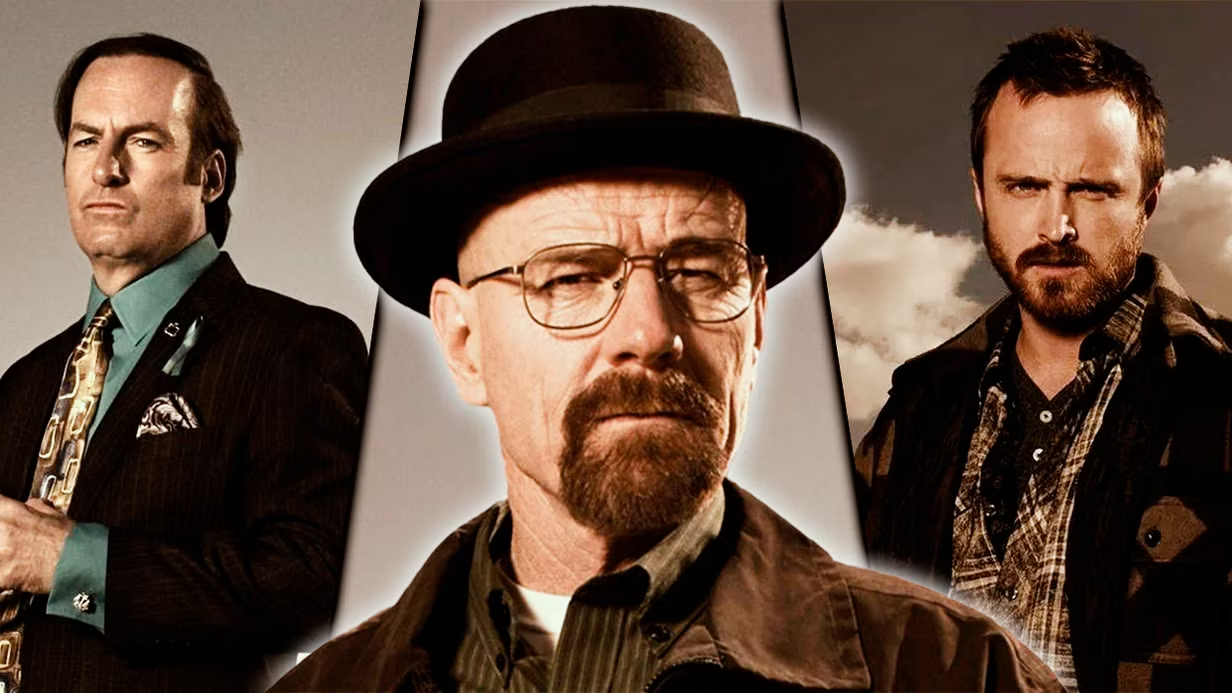
Breaking Bad Cast Net Worth. $130 Million Cooked in Five Seasons of Perfect Television

Cailee Spaeny Net Worth — From Springfield, Missouri to A24 and Alien in Three Years Flat

Wagner Moura Net Worth — He Learned Spanish to Play Escobar. Then He Learned English to Take Hollywood.

Robert Eggers Net Worth — He Made a $3.5 Million Film in Puritan English and Hollywood Listened
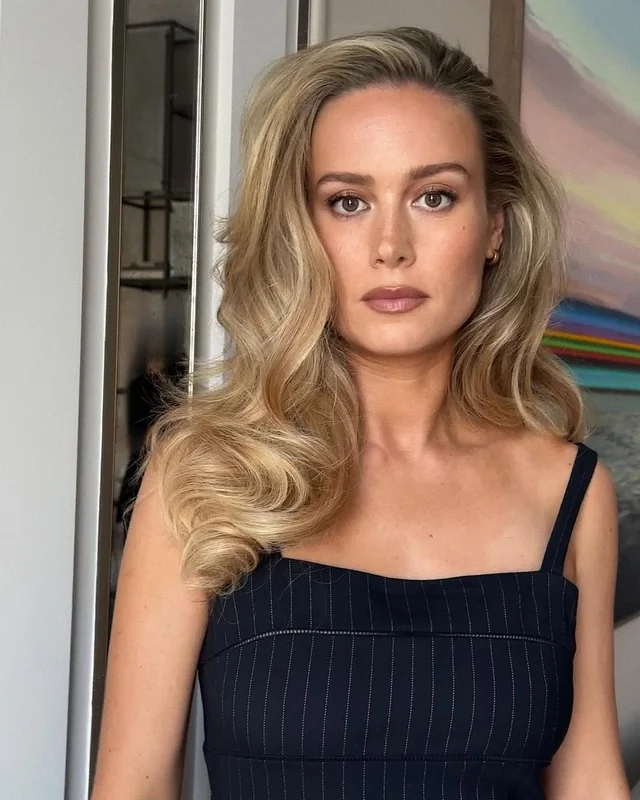
Brie Larson Net Worth — A $6 Million Indie Film Won Her an Oscar. Marvel Paid Her the Rest.
Categories
- Art
- Articles
- Beauty & Skincare
- Celebrities
- Celebrities|Movies
- Celebrities|The Chronicles
- Chronicles
- Entertainment|Culture
- Event Photos
- Events
- Fashion
- Fashion & Style
- Featured
- Food & Beverage
- Food, Spirits, Wine
- Hamptons
- Hamptons Celebrities
- Hamptons Celebrities|Celebrities|The Chronicles
- Health
- Health & Beauty
- Lifestyle
- Luxury Lifestyle
- Movies|Culture
- Movies|Hamptons Lifestyle
- Press
- Profiles
- Real Estate
- Technology
- The Chronicles
- Travel
- TV
- Uncategorized
- Weddings