

Succession dramatizes dynasties. Billions gamifies power. Only White Lotus films what happens when you remove every distraction and photograph what’s left.
The Hook
There are shows about rich people. And then there’s White Lotus, which is the only show on television that understands the difference between having money and understanding what money does to you. Succession dramatizes corporate dynasties. Billions gamifies financial power. Yet White Lotus does something far more uncomfortable: it puts wealthy people on vacation, strips away every distraction, and films what’s left. As it turns out, what’s left is mostly anxiety, loneliness, and the dawning suspicion that the thing you purchased isn’t what you actually wanted.

The Thesis Nobody Else Is Writing
Most television treats wealth as either aspirational or villainous. You’re meant to want the penthouse or despise the person who owns it. Mike White rejects both frameworks. Instead, he treats wealth the way a clinical psychologist treats a presenting symptom—as evidence of something deeper that the patient doesn’t want to examine.
In Season 1, Nicole Mossbacher has the money, the career, and the family. Nevertheless, she can’t stop performing liberalism as a form of self-absolution. Shane Patton has inherited wealth, a beautiful wife, and the best suite at the resort. However, he can’t stop fighting for a marginal upgrade because his identity depends on never accepting less. Tanya McQuoid has enough money to buy the entire resort, but she can’t purchase the one thing she actually needs: a genuine human connection that isn’t transactional.

According to Bain & Company’s 2023 Global Luxury Report, the personal luxury goods market reached €362 billion. McKinsey’s research on high-net-worth consumer behavior suggests that affluent individuals increasingly report diminishing returns on experiential spending—the more you can afford, the less each experience registers. White Lotus dramatizes this paradox better than any academic paper could.
The Vacation as Lie Detector Test
White’s structural innovation is using the vacation format as a narrative pressure cooker. At home, wealthy characters have infrastructure—assistants, schedules, social obligations—that keep their dysfunctions contained. On vacation, all of that scaffolding disappears. Furthermore, what remains is the unmediated self, and White films it with the clinical detachment of Joan Didion observing the center not holding.
This is precisely why the show resonates with affluent audiences. HBR’s research on executive burnout identifies “vacation paradox”—the phenomenon where high-achievers find that removing structure actually amplifies stress rather than relieving it. White Lotus isn’t satirizing this. It’s documenting it. Consequently, every poolside scene is a therapy session disguised as a cocktail hour.
The Staff as Structural Truth
Most shows about wealth forget the staff. White Lotus makes them the structural truth of the entire series. Armond’s breakdown in Season 1 isn’t a subplot—it’s the thesis statement. The luxury economy depends on invisible labor performed by people who must suppress their own humanity to maintain the illusion of effortless service.
Belinda’s arc is even more pointed. Her hope that Tanya’s emotional generosity might translate into a real business investment is the hope of every service professional who’s mistaken a client’s momentary warmth for actual partnership. When Tanya walks away without following through, it’s not cruelty. It’s the system working exactly as designed. For anyone who’s ever managed a luxury property, staffed a high-end event, or served a demanding clientele, Belinda’s story doesn’t require explanation. It requires a stiff drink.
The Class Signaling Nobody Talks About
White Lotus is obsessed with the semiotics of wealth—the way money communicates through choices that aren’t overtly about money at all. Olivia’s reading list. Shane’s room demands. Nicole’s workout routine. Each one is a status signal calibrated for a specific audience. In particular, the show understands that in truly wealthy circles, conspicuous consumption is gauche. The real flex is inconspicuous consumption—the $400 plain white t-shirt, the “simple” vacation that costs more than most people’s annual salary.
BCG’s 2024 wealth report notes that ultra-high-net-worth individuals increasingly value experiences over objects, specifically experiences that signal cultural sophistication rather than mere financial capacity. White Lotus nails this distinction in every episode. The characters don’t display wealth. They perform taste. And the performance is always, always exhausting.
Why This Matters for Hamptons Culture
If you’ve spent a summer east of the Shinnecock Canal, White Lotus isn’t satire—it’s a mirror. The benefit dinners where progressive values coexist with aggressive tax strategies. The poolside conversations where “casual” attire costs more than a mortgage payment. The staff who smile through every demand because the tip economy requires performed gratitude. As a result, Social Life Magazine covers this world not to mock it but to understand it with the clarity Mike White brings to every frame.

White Lotus is the rare show that affluent audiences watch with recognition rather than distance. Furthermore, that’s what makes it dangerous—and essential. It doesn’t let you sit outside the frame and judge. It puts you inside it and asks: which character are you? The answer is more complicated than you’d like. Ultimately, that’s the point.
The Verdict
White Lotus isn’t must-watch television. It’s required reading for anyone navigating spaces where net worth is background noise and social capital is the only currency that trades. Whether you’re laughing at these people or laughing with them depends entirely on how honest you’re willing to be about your own poolside behavior. For Social Life readers, this show isn’t entertainment. It’s reconnaissance.

Continue the Series
- Jennifer Coolidge Net Worth 2026: The Resurrection That Rewrote Hollywood’s Rules
- Sydney Sweeney Net Worth 2026: The Empire Behind Euphoria’s Breakout Star
- White Lotus: The Ultimate Insider’s Guide
Polo Hamptons 2026 tickets and sponsorships: polohamptons.com
Subscribe to the print edition or join our email list for insider access to luxury lifestyle content you won’t find anywhere else.
Support independent luxury journalism: Donate $5
Author

Written by
Recent Posts
Getting the Size Right on a Valley Dreams Zip Hoodie
The Traffic Patterns Hiding Inside the Accident Data
The Smart Way to Give Your Unused Jewelry a Second Life
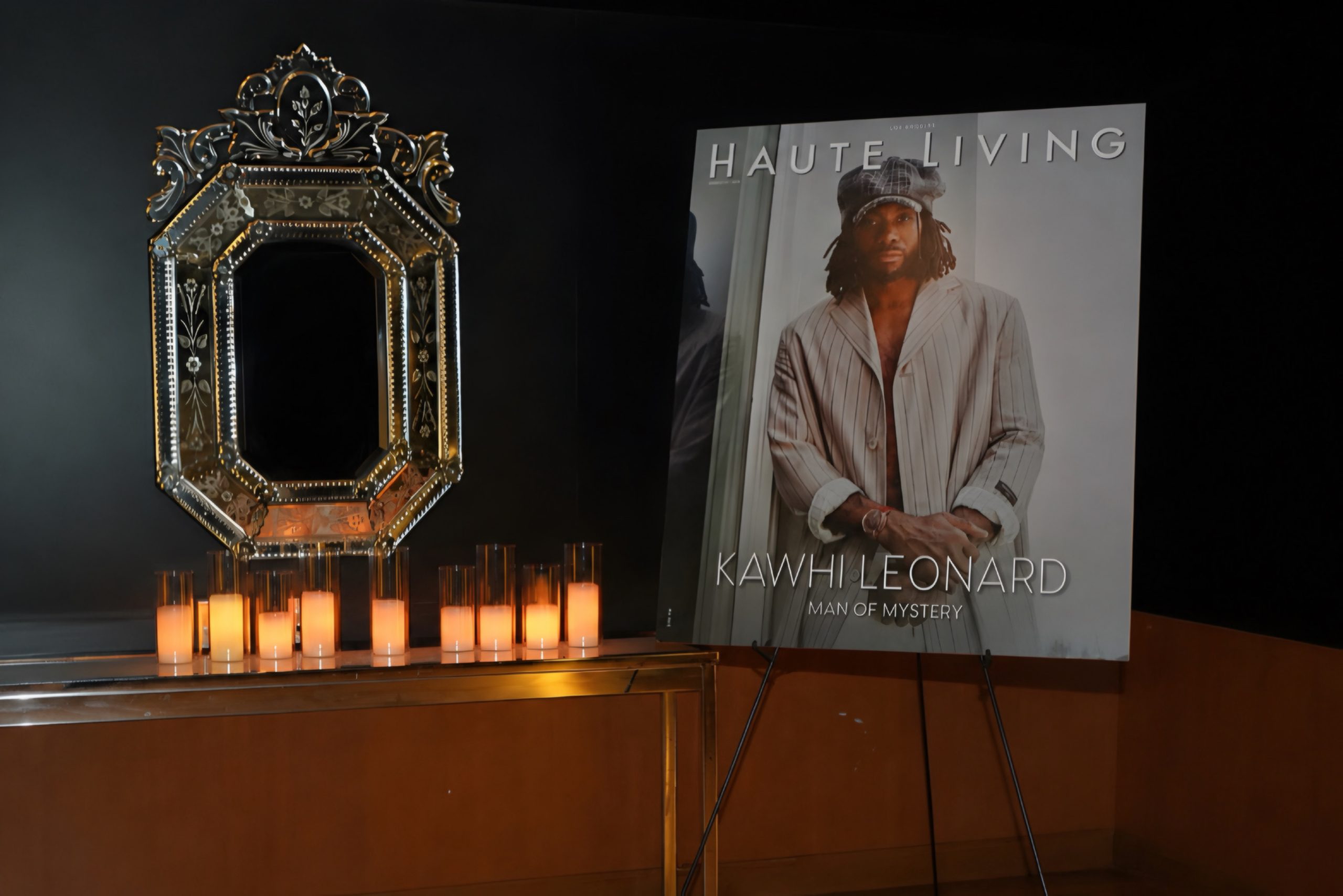
Katsuya Brentwood and Haute Living Honor NBA Star Kawhi Leonard at Private Dinner

The Accountability System Quietly Protecting Your Parents’ Care
Categories
- Art
- Articles
- Business of Luxury
- Celebrities
- Culture
- Entertainment
- Events
- Faces of Summer 2026
- Fashion
- Fashion & Style
- Featured
- Finance
- Food, Spirits, Wine
- Hamptons
- Hamptons Celebrities
- Health
- Health & Beauty
- Lifestyle
- Luxury Lifestyle
- Press
- Profiles
- Real Estate
- Technology
- The Chronicles
- Travel
- Uncategorized
- Weddings