
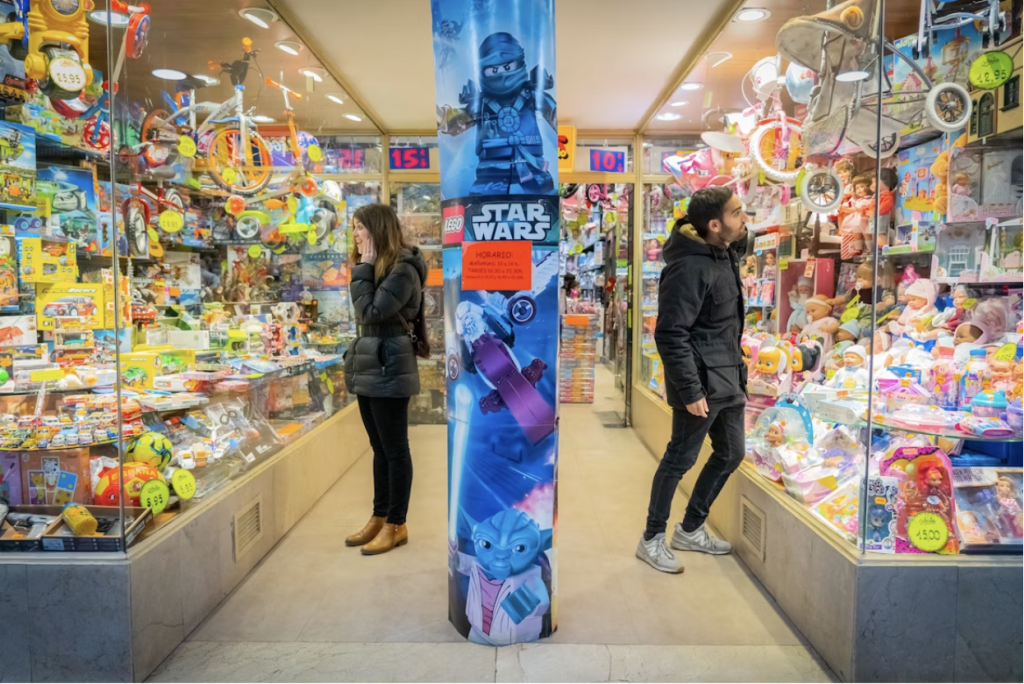
Toys are no longer confined to playrooms. Walk into many adult living spaces today, and you will find shelves lined with action figures, model kits, and limited-edition collectibles positioned alongside books and art. This shift reflects a broader change in how people think about personal spaces, self-expression, and the objects they choose to surround themselves with.
For a growing number of adults, display-worthy toys serve a purpose that goes beyond play — they function as conversation starters, design elements, and meaningful connections to memory. When collectors compare notes on items like the rarest Funko Pops, ranked by Toynk, it becomes clear that these purchases carry weight well beyond their original retail price.
Understanding why this trend continues to gain traction starts with looking at what drives people to treat toys as objects worth investing in.
Reconnecting with Personal Nostalgia
One of the main reasons adults gravitate toward display-worthy toys is the pull of nostalgia. Many collectors seek out items tied to the franchises, characters, and stories they grew up with. Owning a figure from a childhood cartoon or a replica of a toy that sat on a bedroom shelf in the early ’90s creates a tangible link to a specific time and feeling.
This connection is not purely sentimental. It often influences purchasing decisions more than price or brand loyalty. People are willing to spend on pieces that evoke formative experiences, and manufacturers have responded by rereleasing classic designs alongside upgraded versions that appeal to adult tastes and budgets.
Treating Toys as Home Décor
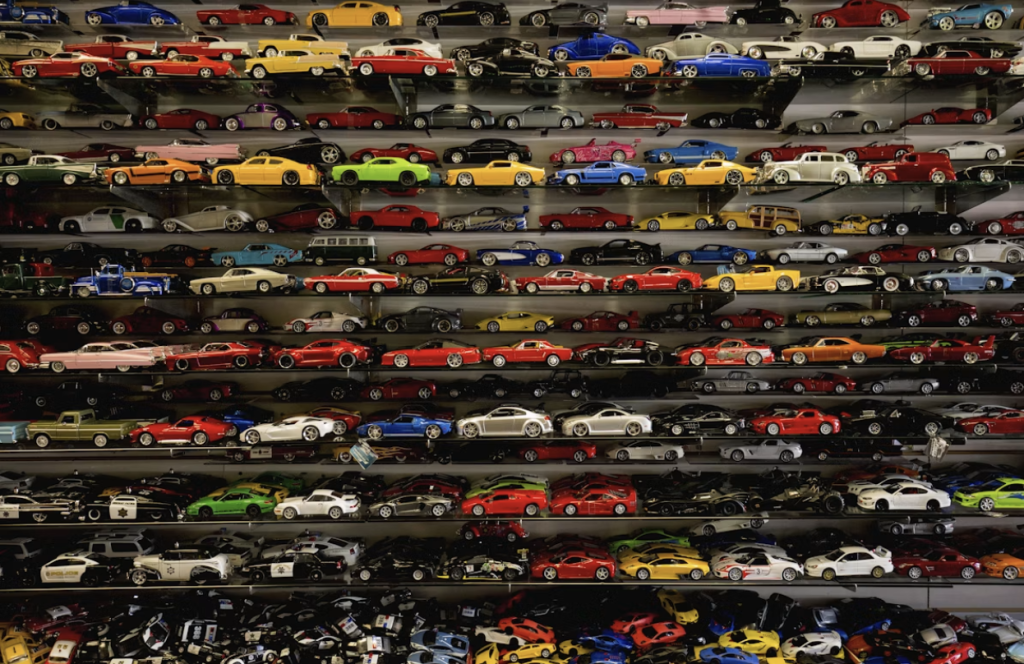
The line between collectibles and interior design has become thinner over the past decade. Companies now produce figures, models, and art toys with materials, color palettes, and packaging designed to complement modern living spaces.
A well-crafted vinyl figure or an articulated statue can anchor a bookshelf or credenza the same way a piece of sculpture might. This shift has changed how people shop for toys. Buyers evaluate scale, finish quality, and visual coherence with their existing décor before making a purchase, treating the process more like selecting furniture or artwork than browsing a toy aisle.
Appreciating Craftsmanship and Detail
Many display-worthy toys are produced with a level of craftsmanship that justifies their price points. Hand-painted details, screen-accurate sculpting, and premium materials such as die-cast metal or resin set these items apart from mass-market products.
Collectors notice and value these differences. A figure with accurate proportions, clean paint application, and thoughtful articulation holds more appeal than one that cuts corners on production.
This focus on quality has created a market segment where buyers expect — and receive — products that stand up to close inspection, which in turn reinforces the idea that these items belong on display rather than in storage.
Building Collections with Long-Term Value
Beyond personal enjoyment, some adults view display-worthy toys as assets. Limited production runs, brand collaborations, and exclusive releases can appreciate over time, especially when demand outpaces supply.
Certain figures and sets from well-known franchises have doubled or tripled in resale value within a few years of their original release. While not every collectible will increase in value, understanding factors such as edition size, condition, and cultural relevance helps collectors make informed decisions.
The secondary market for these items is active, with dedicated platforms and communities that track pricing trends and facilitate trades.
Joining Communities of Like-Minded Collectors
Collecting display-worthy toys is rarely a solitary activity. Online forums, social media groups, and in-person conventions bring enthusiasts together to share collections, trade pieces, and discuss upcoming releases. These communities provide a sense of belonging and often influence what people collect.
When a particular figure or brand gains traction within a collector community, demand tends to follow. This social dimension adds another layer to the hobby, turning individual purchases into participation in a larger culture built around shared interests and mutual appreciation for well-made objects.
Moving Beyond the Stigma
Cultural attitudes toward adults who collect toys have shifted. What was once dismissed as a niche hobby now receives mainstream coverage and commercial support. Retailers dedicate floor space to adult-oriented collectibles. Media outlets cover major releases and auction results.
The perception that toys are for children has given way to a broader understanding that well-designed objects hold value regardless of the age of their owner. As this acceptance grows, so does the market — and the number of adults willing to invest in toys they are proud to display.
Author

Written by
Recent Posts

Unlocking the Berkshires

Dalia Forman Design

Alberto Luzzi
How to Pick a Homecoming Dress for Your Body Type and Feel Amazing in It
How to Prepare a Home for Sale When Major Repairs Are Not Affordable
Categories
- Art
- Articles
- Business of Luxury
- Celebrities
- Culture
- Entertainment
- Events
- Faces of Summer 2026
- Fashion
- Fashion & Style
- Featured
- Finance
- Food, Spirits, Wine
- Hamptons
- Hamptons Celebrities
- Health
- Health & Beauty
- Lifestyle
- Luxury Lifestyle
- Press
- Profiles
- Real Estate
- Technology
- The Chronicles
- Travel
- Uncategorized
- Weddings