
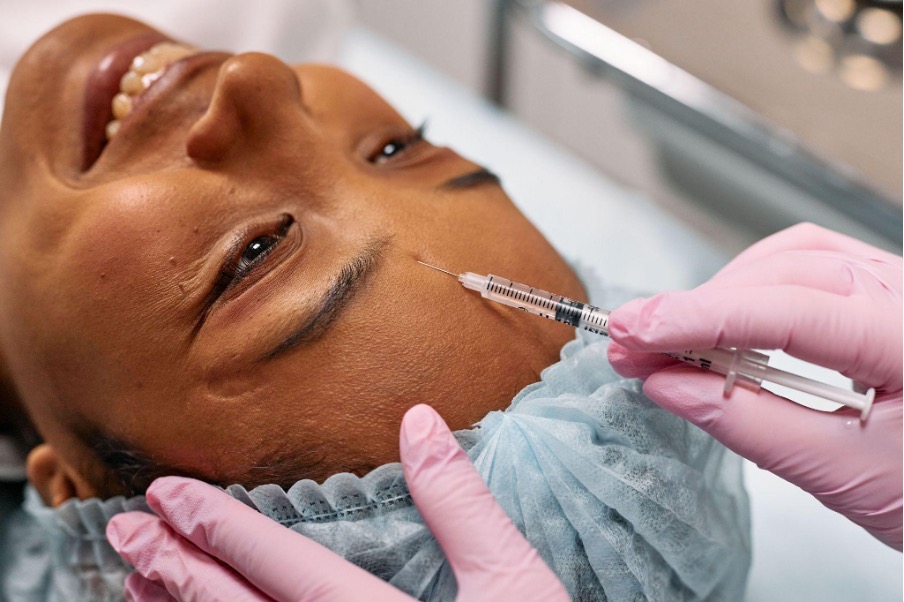
Beauty routines have expanded far beyond cleansers, moisturizers, and occasional salon appointments. Nowadays, many people use everyday items in addition to professional skin care and cosmetic procedures to manage their appearance.
One of the most well-known instances of this transformation is Botox. Its role in contemporary beauty culture stems from a number of aspects, such as how it functions, the comparatively quick treatment process, transient outcomes, and increased awareness of cosmetic procedures.
Beauty Routines Have Changed
Modern beauty routines increasingly combine products used at home with treatments performed by qualified professionals. Skin care may address hydration, pigmentation, texture, and sun protection, while cosmetic procedures can target concerns that topical products cannot approach in the same way.
This distinction helps explain why professional botox treatments have become more familiar within modern beauty routines. Botox Cosmetic contains onabotulinumtoxinA, a botulinum toxin type A product. When injected into specific muscles, it blocks signals involved in muscle contraction. The resulting reduction in muscle activity can temporarily soften certain lines associated with repeated facial expressions.
This is different from filling a wrinkle or adding volume. Botox doesn’t work like a dermal filler. Instead, it changes the activity of selected muscles for a limited period.
That mechanism has made it particularly relevant for expression lines. These commonly develop around areas that move frequently, including the forehead, between the eyebrows, and around the eyes. Treatment can therefore address specific areas rather than the entire face.
Subtle Treatment Has Gained Ground
One reason Botox fits more easily into contemporary beauty routines is the emphasis on controlled results. Cosmetic treatment doesn’t necessarily mean removing as much movement as possible. The amount used and the location of injections can be planned according to facial anatomy and the intended result.
This has shifted attention toward customization. Two people concerned about forehead lines may have different muscle strength, eyebrow position, facial proportions, and preferences. Their treatment plans may therefore differ.
Common considerations during planning include:
- The location and depth of visible expression lines,
- How strongly particular facial muscles contract,
- Existing eyebrow and eyelid position,
- Previous experience with botulinum toxin treatments,
- The amount of facial movement the person wants to retain,
- Whether several facial areas are being treated together.
These details matter because facial muscles interact. Reducing activity in one area can affect the visual balance of another. Careful assessment is therefore an important part of achieving a controlled result rather than simply treating every visible line in the same way.
Convenience Fits Modern Schedules
Practicality has also contributed to the treatment’s place in beauty routines. Botox injections are performed during an appointment and don’t involve the surgical recovery associated with more invasive cosmetic procedures.
The Appointment
Before injections, a provider typically assesses facial movement and discusses the areas of concern. The treatment itself involves small injections into selected muscles. Exact injection sites and amounts depend on the area being treated and the person’s anatomy. The process is relatively brief, which can make appointments easier to incorporate into an existing beauty schedule.
The Results
Changes aren’t permanent. Muscle activity gradually returns as the effect wears off, meaning expression lines can become more noticeable again.
This temporary nature is an important part of the treatment’s appeal and its limitations. People can decide whether they want another appointment rather than committing to a permanent physical change. Those who want to maintain the effect need repeat treatment, adding an ongoing cost and scheduling consideration to the routine.
Botox Isn’t Skin Care
The popularity of injectables can sometimes blur the distinction between cosmetic procedures and daily body skin care. They serve different purposes.
Botox primarily affects muscle activity. It doesn’t cleanse the skin, replace sunscreen, restore hydration, or directly address every cause of uneven texture and pigmentation. Someone may have reduced expression lines while still experiencing dryness, sun damage, acne, or other skin concerns. This is why injectables are often treated as one component of a broader routine rather than a replacement for basic skin care.
The same distinction applies to different cosmetic procedures. Dermal fillers are generally used to add or restore volume in selected areas, while resurfacing treatments focus more directly on the skin itself. Botulinum toxin works through another mechanism.
Understanding these differences can make beauty decisions more practical. Instead of choosing a treatment because it is popular, people can identify the feature they want to address and determine which approach is actually designed for that concern. Different goals require different tools.
Safety Still Requires Attention
Familiarity can make Botox seem increasingly routine, but it remains a prescription medical treatment. The qualifications of the person administering injections, the product being used, individual medical history, and injection technique all matter.
A proper consultation should establish what is being treated and whether Botox is appropriate. People should provide relevant information about medications, previous botulinum toxin treatment, allergies, medical conditions, and previous reactions to cosmetic procedures.
Temporary effects around injection sites can include pain, tenderness, swelling, redness, or bruising. Other adverse effects depend partly on the treatment area. For example, unwanted weakness of nearby muscles can alter eyebrow or eyelid position.
Botulinum toxin products also carry warnings about the possibility of effects spreading beyond the injection area. Symptoms such as difficulty breathing, speaking, or swallowing require immediate medical attention.
These considerations are important precisely because Botox has become so familiar. A short appointment doesn’t remove the need for appropriate medical assessment, genuine products, careful administration, and clear information about possible complications.
A Routine Built Around Personal Goals
Botox has become a familiar part of modern beauty routines because it offers a targeted and temporary way to address certain expression lines. Short appointments, customizable treatment plans, and gradual results have helped move it into mainstream cosmetic care.
However, it remains a medical treatment rather than a substitute for everyday skin care. Understanding how it works, what it can realistically achieve, and why provider experience matters helps put its popularity into perspective. As beauty routines continue to combine products with professional treatments, Botox is likely to remain one of the most recognized options.
Author

Written by
Recent Posts
How to Pick a Homecoming Dress for Your Body Type and Feel Amazing in It
How to Prepare a Home for Sale When Major Repairs Are Not Affordable
From Everyday Comfort to Personal Style: My SHEIN Slipper Habit
5 Best Mitsubishi Heat Pump Companies in Seattle
Tech Gadgets as Modern Corporate Gifts: Useful Ideas for Employees and Clients
Categories
- Art
- Articles
- Business of Luxury
- Celebrities
- Culture
- Entertainment
- Events
- Faces of Summer 2026
- Fashion
- Fashion & Style
- Featured
- Finance
- Food, Spirits, Wine
- Hamptons
- Hamptons Celebrities
- Health
- Health & Beauty
- Lifestyle
- Luxury Lifestyle
- Press
- Profiles
- Real Estate
- Technology
- The Chronicles
- Travel
- Uncategorized
- Weddings