

Have you noticed your AC leaking water where it shouldn’t? Don’t simply brush it off if it doesn’t look too bad coming from near the unit or the ceiling. While there’s no need to panic, taking immediate action is important.
In many cases, the cause is something simple. Still, ignoring it can lead to bigger issues further down the line.
If it turns into a recurring issue, a local service like IRBIS Air, Plumbing & Electrical can help figure out what’s really going on.
It helps to understand what’s causing it, what signs to look for, and what you can do before it gets worse.
Why Is Your AC Leaking Water Inside?
Your AC removes moisture as it cools your space. That water should drain outside. When something interrupts the flow, it starts showing up indoors.
A clogged AC drain line is one of the most common causes. Dust, dirt, and algae build up over time until water can’t pass through. Dirty air filters can also create trouble. When airflow is restricted, the coil may freeze. Once it melts, the system can’t keep up with the extra water.
Low refrigerant can lead to the same freeze-and-melt cycle. Older systems may have worn-out drain pans that leak before water reaches the drain. In some cases, the unit may not be level, which can result in an AC causing a water leak.
If your system uses a condensate pump, a failure there can cause water to back up quickly. Many of these issues are the root cause behind HVAC leaking water problems seen in homes and small businesses. Regular maintenance can help prevent these drainage and airflow issues.
Signs Your AC Leak Is Getting Serious
A small drip can be easy to ignore, especially when everything else seems to be working fine. But your system often shows signs before the problem gets worse.
- Water is pooling around the indoor unit
- Musty smells near vents or walls
- Weak or uneven cooling
- Dripping or gurgling sounds
- Stains forming on ceilings or walls
If water builds up quickly or the system shuts down, it’s time to act. Catching these signs early can save you from bigger repairs and unexpected damage.
Is AC Water Leakage Dangerous?
The water may look harmless, but the impact can spread quickly. Moisture can weaken drywall, ceilings, and flooring. It also creates the right conditions for mold. Mold can begin forming within 24-48 hours in damp spaces
There’s also the risk of water reaching electrical components. That can lead to system damage or safety concerns. Even a slow leak can cause problems if it goes unnoticed.
In some cases, the damage isn’t visible right away. Water can seep into hidden areas, such as behind walls or above ceilings, where it quietly accumulates over time and becomes harder and more expensive to fix.
How to Fix an AC That’s Leaking Water
Start with simple checks before assuming the worst. Turn off the system first. Then look at the air filter. If it’s dirty, replace it.
Next, check the drain line. A wet/dry vacuum can often clear minor clogs. Take a look at the drain pan for cracks or rust. Also, make sure the unit is sitting level so water flows in the right direction. Small issues like these are often what’s behind an AC causing water leak inside your home.
If the issue keeps returning, recurring hvac leaking water usually points to something deeper that needs professional attention.
When to Call a Professional HVAC Technician
Some issues go beyond basic maintenance. Refrigerant problems, electrical concerns, or ongoing leaks after cleaning are signs you need help. Problems tied to a clogged or damaged AC drain line can also be harder to fully clear without the right tools.
A technician should be able to explain what caused the leak and what needs to be fixed. For homeowners and small businesses in the Bay Area, IRBIS offers clear diagnostics and practical solutions that match your system’s condition.
How to Prevent Your AC from Leaking in the Future
Preventing leaks comes down to consistency. A few simple habits can make a big difference in how your system performs over time.
- Schedule annual HVAC maintenance
- Replace air filters every 1–3 months
- Keep the drain system clean
- Watch for early signs of moisture
- Monitor indoor humidity levels
These small steps can help you avoid unexpected breakdowns. Staying consistent with maintenance also helps catch minor issues before they turn into costly repairs.
In conclusion
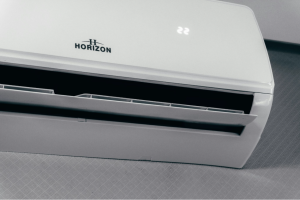
An indoor AC leak often starts small. A clogged line or dirty filter is usually behind it. Left alone, it can lead to mold, damage, and higher repair costs. Staying ahead of HVAC leaking water issues helps protect your space and keeps your system running smoothly.
Catching the problem early gives you more control over how simple or complex the fix will be.
Have you ever caught an AC leak early? What was the first sign you noticed? Share your experience, it might help someone else avoid a bigger problem.
Author

Written by
Recent Posts

Unlocking the Berkshires
Dalia Forman Design

Alberto Luzzi
How to Pick a Homecoming Dress for Your Body Type and Feel Amazing in It
How to Prepare a Home for Sale When Major Repairs Are Not Affordable
Categories
- Art
- Articles
- Business of Luxury
- Celebrities
- Culture
- Entertainment
- Events
- Faces of Summer 2026
- Fashion
- Fashion & Style
- Featured
- Finance
- Food, Spirits, Wine
- Hamptons
- Hamptons Celebrities
- Health
- Health & Beauty
- Lifestyle
- Luxury Lifestyle
- Press
- Profiles
- Real Estate
- Technology
- The Chronicles
- Travel
- Uncategorized
- Weddings