

Many vehicle owners reach a point where they consider trading in their SUV for something newer. But before heading to the dealership, it’s worth taking a closer look at what you already have.
SUVs that receive consistent care tend to remain functional, safe, and financially sound for years beyond what most owners expect. Even addressing specific issues early — like getting a Jeep Cherokee ECM repair from Car Computer Exchange when engine control problems surface— can extend a vehicle’s life significantly.
From holding its resale value to handling the demands of daily life, a well-maintained SUV can serve you far longer than you might think. Here’s why holding on to yours may be the smarter move.
Retaining Strong Resale Value Over Time
One of the most practical reasons to keep a well-maintained SUV is its ability to hold value. SUVs as a category tend to depreciate more slowly than sedans and compact cars. Models from brands like Toyota, Honda, Jeep, and Ford are known for retaining a significant portion of their original price even after several years of ownership.
What separates a high-value used SUV from one that loses worth quickly often comes down to maintenance. Buyers in the used market pay close attention to:
- Complete service records that show regular oil changes, tire rotations, and brake inspections
- Consistent upkeep of major systems like the transmission, suspension, and cooling
- A clean exterior and interior that signals the vehicle was cared for, not neglected
An SUV with documented maintenance history gives the owner leverage at the time of resale or trade-in. Skipping routine service, on the other hand, can erase thousands in potential return.
Delivering Everyday Versatility
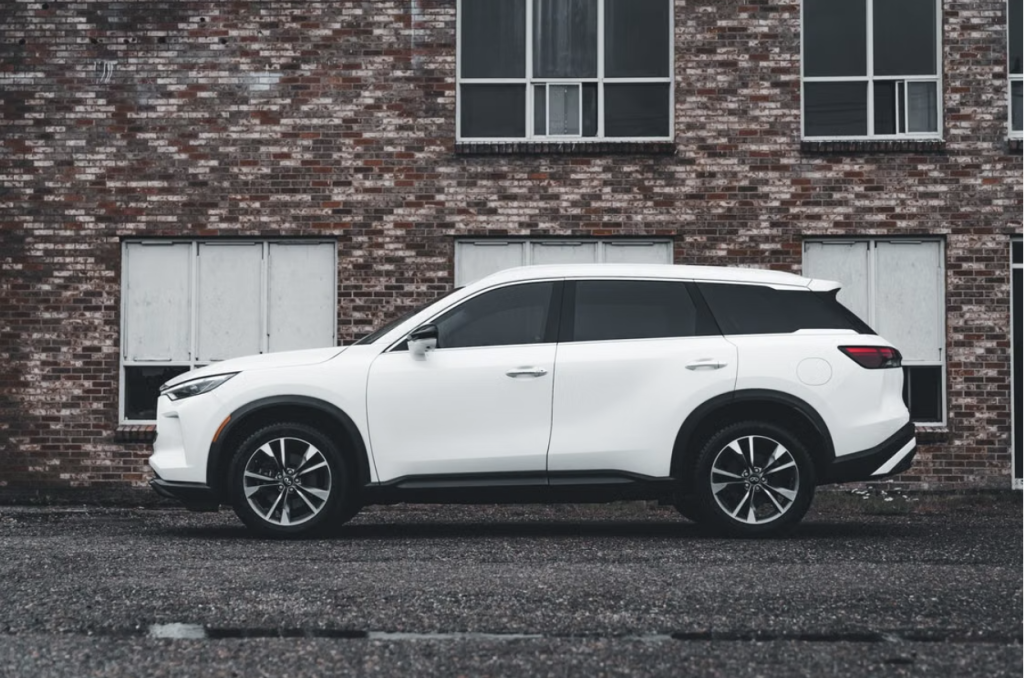
SUVs fill a role that few other vehicle types can match. They offer enough cabin space for passengers, enough cargo room for gear, and enough ground clearance for varied road conditions. For families, commuters, and anyone who regularly hauls equipment or supplies, this combination of features is difficult to replace without spending more.
A well-maintained SUV continues to deliver on these fronts without compromise. Keeping the engine, drivetrain, and suspension in working order means the vehicle performs the way it did when it was new. Owners who stay on top of maintenance avoid the gradual decline in ride quality, fuel efficiency, and handling that comes with neglect.
Rather than spending on a new vehicle that offers similar functionality, maintaining the one you have allows you to get the full return on your original purchase.
Lowering Long-Term Ownership Costs
Buying a new vehicle comes with a set of unavoidable expenses: higher insurance premiums, registration fees, taxes, and the steepest period of depreciation in the first two to three years. An SUV that’s already past that initial drop in value becomes more cost-effective to own with each passing year, provided it’s maintained properly.
Routine maintenance costs far less than a monthly car payment. Consider the difference:
- A standard oil change, tire rotation, and fluid check might cost a few hundred dollars per year.
- A new SUV payment can exceed several hundred dollars per month, plus interest.
Owners who invest in preventive care, replacing worn brake pads before they damage rotors, changing transmission fluid on schedule, and addressing small issues before they become large ones, avoid the major repair bills that push people toward trading in.
Reducing Environmental Impact
Keeping a vehicle on the road longer has environmental benefits that often go unmentioned. Manufacturing a new car requires raw materials, energy, and resources at every stage, from mining metals to assembling parts to transporting the finished product to a dealership.
Regular maintenance extends the lifespan of your SUV, which can lower demand for newly manufactured vehicles. Pairing this with consistent emissions system upkeep — replacing catalytic converters, oxygen sensors, and air filters as needed — helps the vehicle run cleaner for longer.
Making a Practical Decision
The decision to keep or replace a vehicle doesn’t have to be emotional. It can come down to straightforward math and practical assessment. If your SUV runs well, meets your daily needs, and has a solid maintenance history, the case for keeping it is strong.
Well-maintained SUVs offer a combination of retained value, daily functionality, lower ownership costs, and reduced environmental footprint that’s hard to argue against. Before chasing the appeal of something new, take an honest look at what’s already in your driveway. It may be worth more, in every sense, than you realize.
Author

Written by
Recent Posts

The Renegade Housewives of Pop Art: A Memoir of the 1960s

Nicole Miller

Unlocking the Berkshires

Dalia Forman Design

Alberto Luzzi
Categories
- Art
- Articles
- Business of Luxury
- Celebrities
- Culture
- Entertainment
- Events
- Faces of Summer 2026
- Fashion
- Fashion & Style
- Featured
- Finance
- Food, Spirits, Wine
- Hamptons
- Hamptons Celebrities
- Health
- Health & Beauty
- Lifestyle
- Luxury Lifestyle
- Press
- Profiles
- Real Estate
- Technology
- The Chronicles
- Travel
- Uncategorized
- Weddings