
Managing healthcare for a family feels like piecing together a massive puzzle without the picture on the box. Traditional medical setups push people from one isolated specialist to another, treating symptoms rather than individuals. This fragmented approach leaves parents managing multiple appointment calendars, conflicting medical advice, and endless paperwork.

Understanding the Whole-Person Approach
Traditional medicine typically addresses physical symptoms after they appear, treating the body like a collection of independent parts. Whole-person care shifts the focus by examining how biological, behavioral, and social factors interact.
Instead of only treating what shows up on the surface, this approach looks upstream to understand what causes or contributes to those symptoms. It treats the individual as a complete ecosystem rather than a checklist of complaints.
Finding the right support system makes all the difference when navigating complex developmental or behavioral needs. Connecting with a dedicated autism primary care provider ensures that your child receives medical attention tailored to their unique sensory and communication profiles. This specialized guidance helps parents move past the guesswork and build a reliable, long-term healthcare strategy.
Addressing What Truly Drives Health Outcomes
Medical treatments and prescriptions only tell part of the story when it comes to staying healthy. Daily habits, environments, and social connections dictate how your family feels far more than occasional clinic visits.
Research shows that healthcare today usually only addresses a small portion, one-fifth of what influences a person’s health. The rest depends on lifestyle factors, economic stability, and community support systems.
Whole-person clinics close this gap by evaluating everyday challenges that impact wellness. Doctors look at sleep routines, stress levels at school or work, and dietary access alongside standard physical metrics. This complete view stops minor lifestyle struggles from turning into chronic medical issues later on.
Navigating the Primary Care Shortage
Securing reliable medical attention is becoming increasingly difficult for the average household. The national healthcare system faces severe strain, leaving millions of individuals without consistent guidance.
Reports indicate that more than 30% of US adults lacked a usual source of care in 2025 – the highest level in a decade. This shortage forces families to rely on emergency rooms or urgent care clinics for routine needs.
A whole-person primary care practice provides a stable anchor in a turbulent medical environment. Establishing a relationship with a dedicated clinic protects your family from falling through the cracks of a broken system. You secure a medical home team that knows your history, values, and long-term health goals.
Supporting the Modern Healthcare Workforce
The quality of attention your family receives depends heavily on the well-being of the professionals providing it. Medical staff across the country are dealing with unprecedented professional exhaustion, which impacts patient interaction.
Data reveals that almost half of primary care physicians reported feeling burnout in 2025. When doctors are overwhelmed, patients often face rushed appointments and administrative delays.
Integrated care models combat this crisis by restructuring how clinics operate daily. Whole-person practices utilize multidisciplinary teams – including nurses, nutritionists, and behavioral counselors – to share the care load. This team approach allows physicians to spend more meaningful, unhurried time with each family member.
Merging Behavioral and Physical Health
Mental wellness and physical health are inextricably linked, though traditional medical systems separate them into different buildings. A child struggling with anxiety might experience chronic stomach pain, while adult metabolic issues often heavily impact mood.
Recent market trends show that behavioral health continues to outpace broader medical trends, with utilization surging 62% since 2018. Families need an environment that addresses these interconnected needs simultaneously.
Integrated clinics screen for behavioral trends during routine physical checkups to catch struggles early. This proactive approach removes the stigma and friction often associated with seeking mental health support.
- On-site counselors coordinate directly with medical doctors to create unified care blueprints.
- Families avoid the hassle of searching for separate mental health clinics with long waiting lists.
- Prescription interactions between psychological medications and physical treatments are monitored safely.
- Chronic stress management becomes a core component of routine preventive medicine.
Treating mind and body together prevents minor emotional struggles from escalating into physical crises. Your family learns to view mental wellness as an ordinary, manageable aspect of everyday physical health.
Empowering Independence and Personal Control
Good healthcare should make individuals feel capable and in charge of their own lives, rather than dependent on clinical interventions.
When people actively participate in their medical decisions, their long-term wellness outcomes improve dramatically. International social care metrics highlight that 77.3% of people who draw on long-term support reported having control over their daily life. This sense of agency is vital for teenagers and adults managing lifelong health conditions.
Whole-person practitioners prioritize patient education and shared decision-making over rigid medical directives. They explain clinical options clearly, allowing your family to choose paths that align with your lifestyle. This approach builds confidence and encourages teenagers to take responsibility for their health habits.
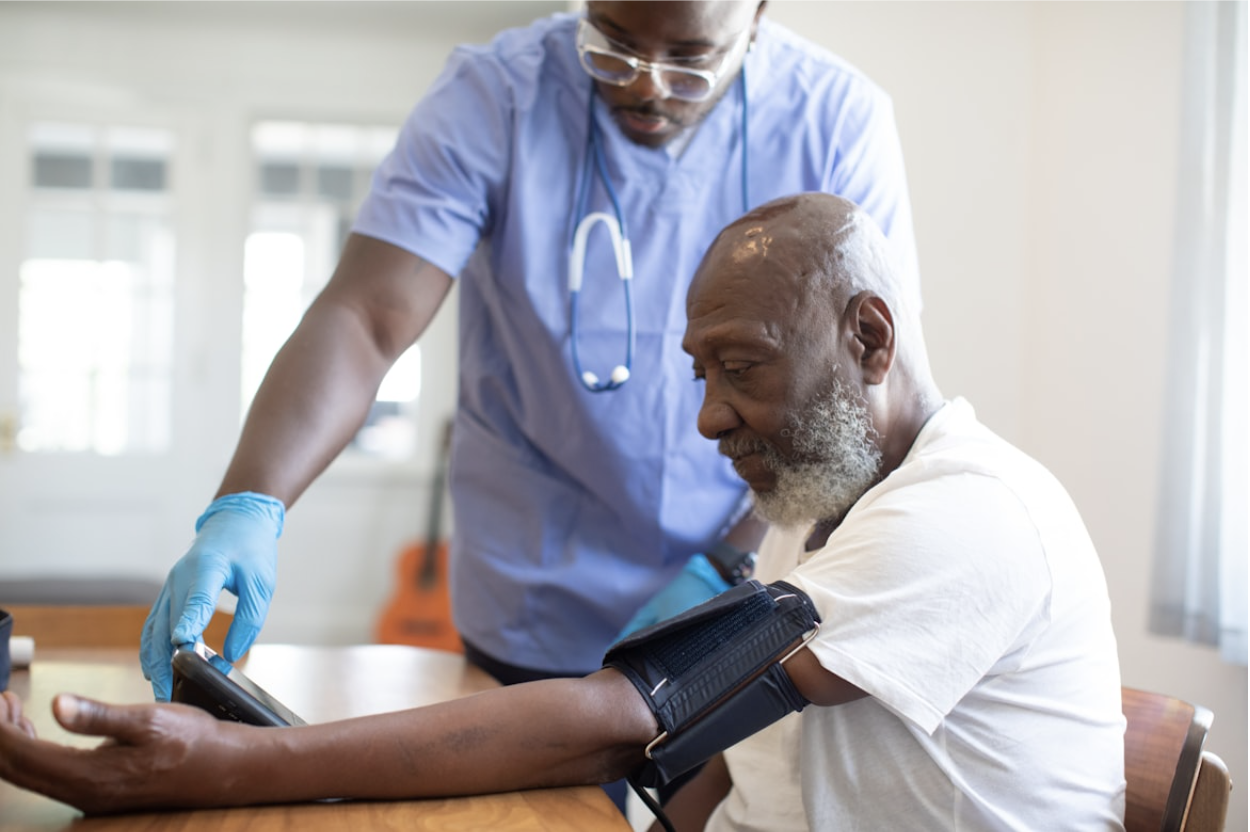
Transitioning to an integrated primary medical model is an investment in your household’s long-term peace and stability. Moving away from reactive, fragmented treatments allows your family to experience medicine that values your entire lifestyle.
You gain a supportive partnership with professionals who see you as a person, not a symptom. This unified approach provides the clarity, consistency, and expert support your family needs to thrive through every phase of life.
Author

Written by
Recent Posts

Unlocking the Berkshires

Dalia Forman Design

Alberto Luzzi
How to Pick a Homecoming Dress for Your Body Type and Feel Amazing in It
How to Prepare a Home for Sale When Major Repairs Are Not Affordable
Categories
- Art
- Articles
- Business of Luxury
- Celebrities
- Culture
- Entertainment
- Events
- Faces of Summer 2026
- Fashion
- Fashion & Style
- Featured
- Finance
- Food, Spirits, Wine
- Hamptons
- Hamptons Celebrities
- Health
- Health & Beauty
- Lifestyle
- Luxury Lifestyle
- Press
- Profiles
- Real Estate
- Technology
- The Chronicles
- Travel
- Uncategorized
- Weddings