
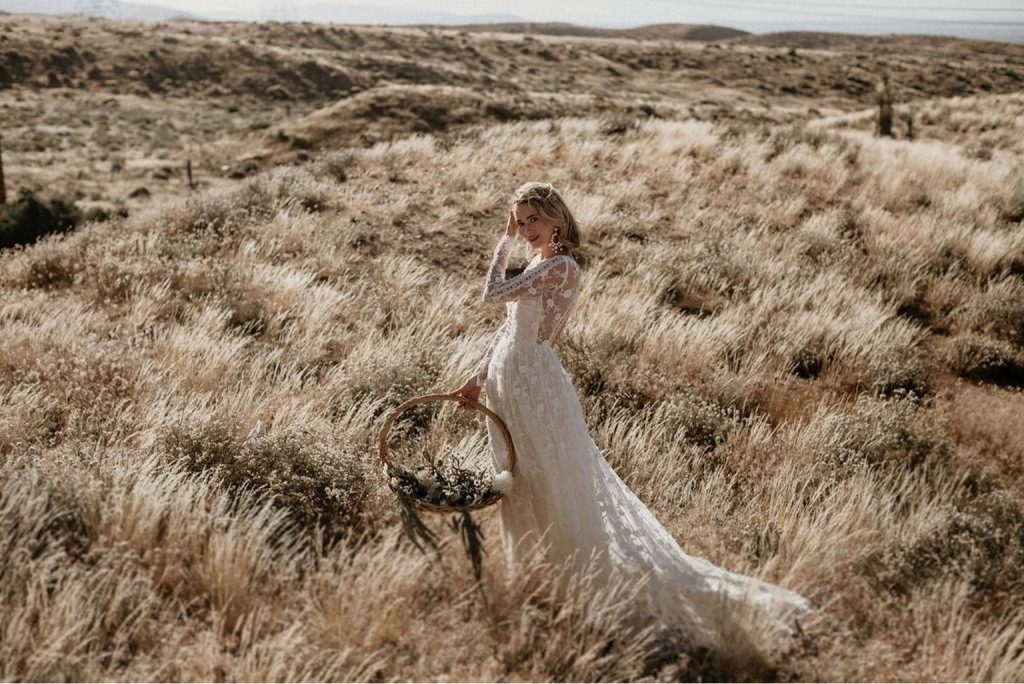
There’s a dirty secret in bridal fashion that nobody talks about at trunk shows. The lace on most wedding dresses? It’s not really lace. It’s polyester engineered to look like lace — stiff, scratchy, and designed to hold shape in a photograph rather than feel good on skin. It’s a fabric built for the camera, not the woman.
For generations, brides have accepted this tradeoff as the cost of elegance. You want lace? Fine. But you’ll pay for it in discomfort. You’ll feel it pulling at your arms when you reach for your partner’s hands. You’ll notice it by hour three when the synthetic lining starts trapping heat against your body. You’ll remember it at the end of the night when you can’t wait to take the dress off.
And somewhere along the way, the industry stopped questioning whether it had to be this way.
The Comfort Problem Nobody Solved
Lace has been the defining fabric of bridal fashion for centuries, and for good reason. Its intricacy communicates craftsmanship. Its delicacy suggests romance. Its translucency creates visual drama that no other fabric can replicate. Brides gravitate toward lace because it feels timeless — the kind of thing that will look as beautiful in photos 30 years from now as it does today.
The broader industry is catching up to the idea that comfort matters. As British bridal designer Phillipa Lepley told Country & Town House, sheer and lightweight fabrics feel “especially en vogue right now, reflecting a broader fashion movement toward lightness, romance, and thoughtful transparency.” And Vogue Business has noted that today’s brides are prioritizing personal expression and comfort over rigid tradition — a shift that’s reshaping the entire bridal market.
But the lace that appears in most bridal salons today is a mass-produced approximation of what lace used to be. It’s manufactured overseas in bulk, cut for efficiency rather than artistry, and paired with rigid underpinnings that create silhouette but eliminate movement. The result is a dress that looks stunning on a hanger and feels like armor on a body.
This is the problem that Dreamers & Lovers set out to solve over a decade ago — and the answer turned out to be deceptively simple: use real cotton lace.
Cotton Lace: The Fabric the Industry Forgot
Cotton lace is not cheap. It’s not efficient. It doesn’t hold rigid shapes, and it requires more skilled construction because you can’t hide shortcuts under stiff fabric. These are the reasons most bridal companies don’t use it.
They’re also exactly the reasons it produces a better dress.
Cotton lace breathes against the skin. It has natural stretch that moves with the body rather than fighting it. It drapes with a softness that synthetic lace can only imitate from a distance. And critically, it develops a more beautiful texture over time — aging like linen rather than degrading like polyester.
Every lace wedding dress in the Dreamers & Lovers collection is built on this foundation. Handcrafted to order in their California atelier, each gown uses exclusive cotton lace patterns — from delicate botanicals to graphic geometric motifs — chosen for how they feel on the body, not just how they photograph.
It’s a fundamentally different design philosophy. And it produces fundamentally different dresses.
Two Dresses That Prove the Point
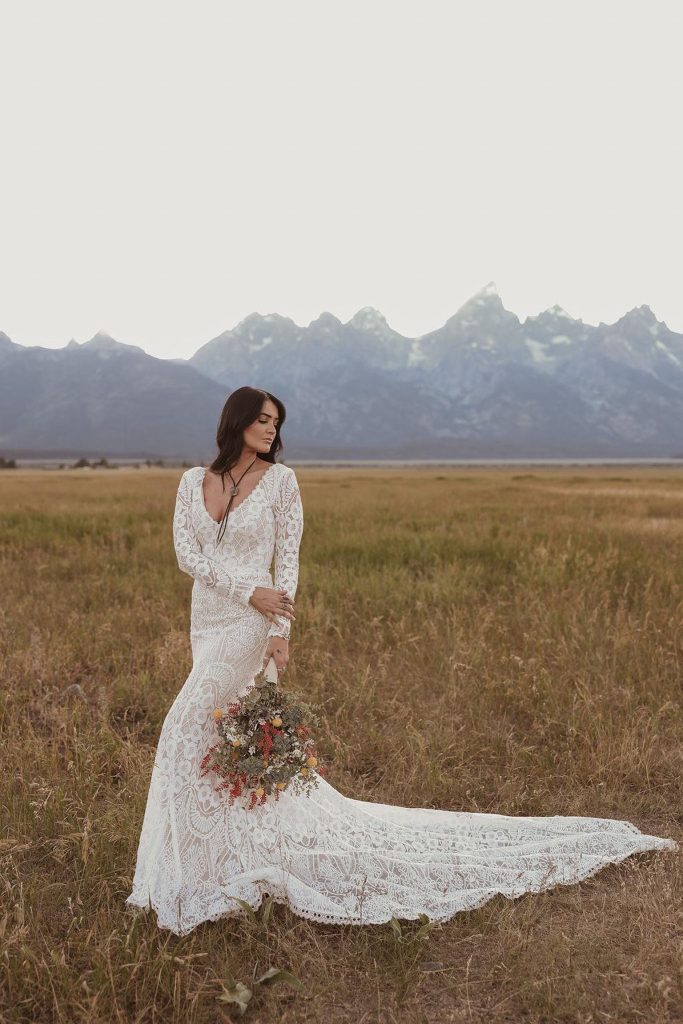
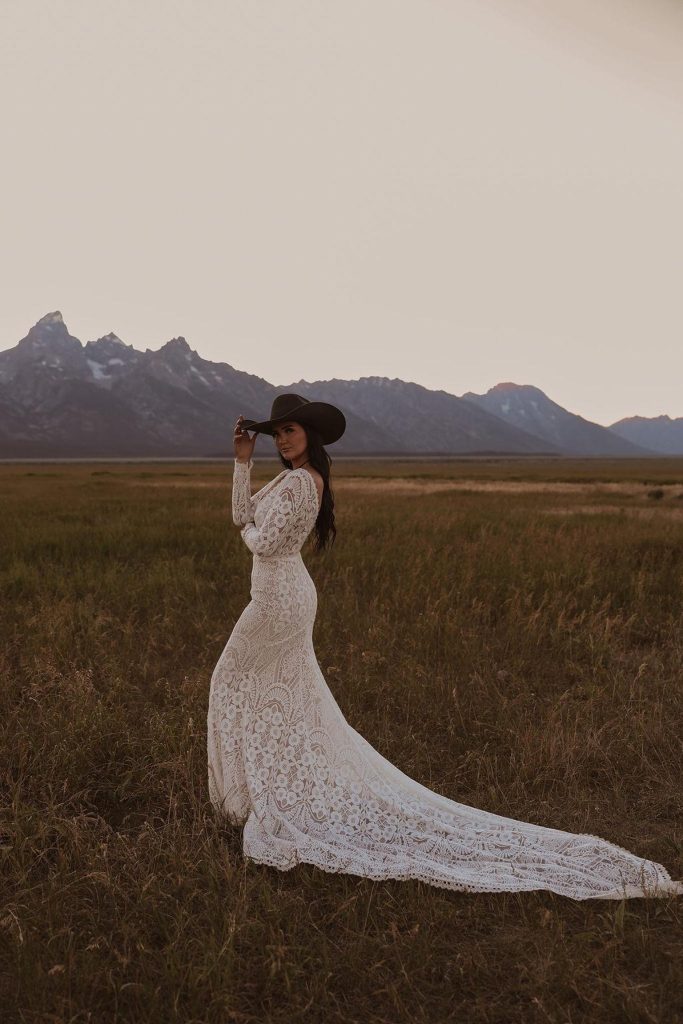
The Josephine is their bestseller, and it’s easy to see why. It’s a long sleeve lace wedding dress with a dramatic train and plunging neckline — features that would typically mean restriction and discomfort in conventional bridal construction. But the cotton lace and art deco-inspired geometric pattern make the sleeves feel like a second skin, not a cage. The result is a dress that delivers the romance and drama of vintage European couture while actually allowing the bride to lift her arms, embrace her people, and move through her wedding day without counting the hours until she can change.
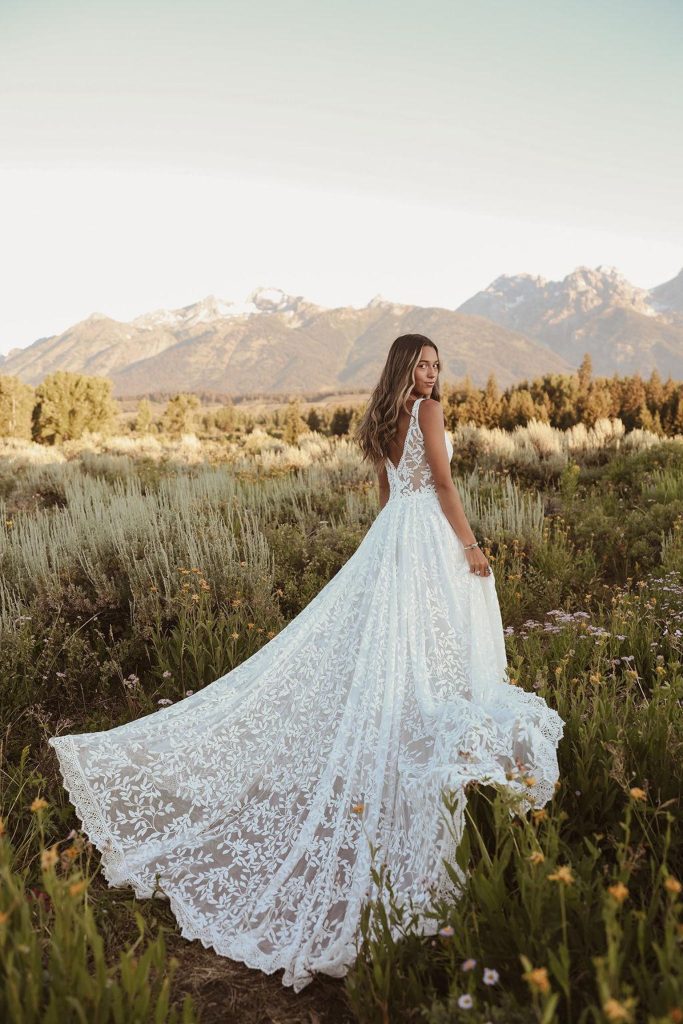
Then there’s the Sage — a classic A-line silhouette that represents everything a lace wedding dress can be when comfort is treated as non-negotiable rather than optional. Clean lines, beautiful lace, a shape that flatters without restricting. It’s the kind of dress that traditional bridal brands should be making but aren’t, because their supply chains are built around synthetic fabrics and overseas manufacturing.
Both gowns share something in common with every dress that comes out of this atelier: built-in bra cups that eliminate the need for uncomfortable undergarments, breathable linings, and construction that accounts for the fact that a bride will be wearing this dress for eight to twelve hours on one of the most physically demanding days of her life.
The Craft Behind the Counterculture
What makes this approach genuinely countercultural — not just marketing-countercultural — is the economics. Mass-produced synthetic lace dresses are cheaper to make, easier to scale, and more profitable per unit. The entire modern bridal supply chain is optimized for that model.
Choosing to handcraft every gown in a California atelier using real cotton lace is a deliberate rejection of that system. It means smaller production runs. It means each dress takes longer to make. It means employing skilled artisan seamstresses rather than outsourcing to factories.
It also means the bride gets something that the assembly line cannot produce: a dress that was made for her body by hands that care about the outcome. Not pulled off a rack in her approximate size and pinned into submission by an alterations department.
This is what “luxury” is supposed to mean. Not a price tag. Not a brand name. A genuine elevation in quality, craft, and care that the wearer can feel from the moment she puts the dress on.
The Bride Who Gets It
There’s a specific kind of woman who finds her way to a cotton lace wedding dress. She’s not anti-tradition for the sake of it. She’s not making a statement. She’s simply unwilling to sacrifice how she feels for how she looks, because she understands that the two aren’t supposed to be in conflict.
She’s the bride who will dance all night without thinking about her dress. Who will look at her wedding photos in 20 years and see herself, not a costume. Who chose her gown the same way she chose her partner, not because it was expected, but because it was right.
The bridal industry has spent decades convincing women that elegance requires discomfort. One atelier in California has been quietly proving otherwise.
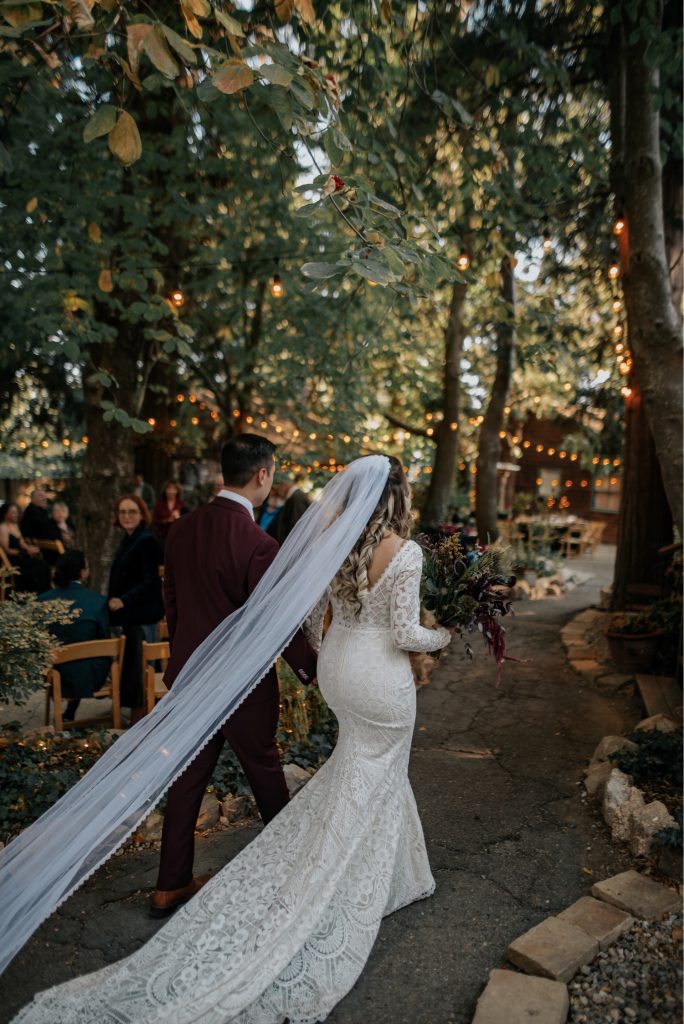
Dreamers & Lovers handcrafts lace wedding dresses in their California atelier using exclusive cotton lace. Every gown is made to order. Brides nationwide can experience the collection through the home try-on program or book a private appointment at their Riviera Village showroom.
Author

Written by
Recent Posts
Staying Warm During Cold Nights With Same-Day Heating Repair in Las Vegas
Lace Wedding Dresses Were Never Meant to Be Comfortable — One California Atelier Said Otherwise

Ariana Grande Net Worth 2026 and the r.e.m. Beauty Story

SZA Net Worth 2026: The Five-Year Gap That Built $15 Million

Olivia Rodrigo Net Worth 2026: The drivers license Economy
Categories
- 2025 Social Life Events
- Access to Digital + Physical Magazine
- Art
- Articles
- Beauty & Skincare
- Beauty & Wellness
- Business Strategy
- Celebrities
- Celebrities|The Chronicles
- Chronicles
- Design History
- Design History|Design Trends
- Design History|Hamptons
- Design Process
- Design Process|Luxury Living
- Design Trends
- Design Trends|Hamptons
- Event Photos
- Events
- Family
- Fashion
- Fashion & Style
- Featured
- Food & Beverage
- Food, Spirits, Wine
- Hamptons
- Hamptons Celebrities
- Hamptons Design
- Hamptons Design|Design Process
- Hamptons Design|Luxury Living
- Hamptons|Luxury Living
- Health
- Health & Beauty
- Home & Design
- Home & Living
- Lifestyle
- Luxury Home Design|Design Process
- Luxury Home Design|Design Trends
- Luxury Home Design|Hamptons Design
- Luxury Home Design|Interior Design
- Luxury Lifestyle
- Luxury Living
- Luxury Living|Design Process
- Luxury Living|Hamptons
- Luxury Living|Hamptons Design
- Press
- Profiles
- Real Estate
- Technology
- The Chronicles
- Travel
- Trending
- Uncategorized
- Weddings
- Wellness