
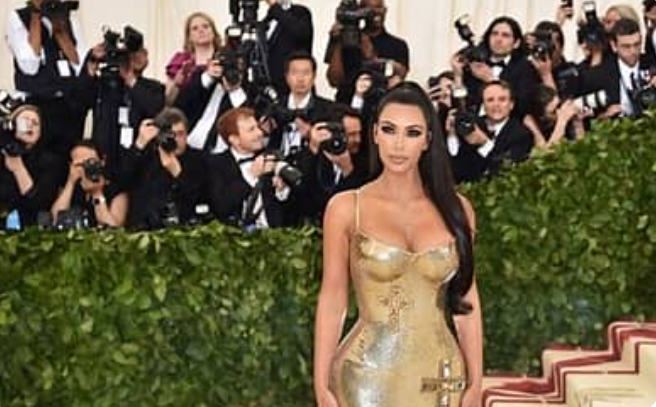
She has $1.9 billion. They have $33 billion. Kim Kardashian and the Lauder family occupy the same Forbes lists, attend the same galas, and summer in adjacent zip codes. The numerical difference—17 times more for the Lauders—only partially explains why these fortunes represent fundamentally different phenomena. The Kardashians built an empire in two decades. The Lauders built a dynasty across four generations. Same zeroes. Different math entirely.
Understanding celebrity wealth versus dynasty wealth matters for anyone thinking about building, preserving, or inheriting money. The strategies differ. The vulnerabilities differ. The timelines differ. Most importantly, the transition from one category to the other requires specific choices that most celebrity fortunes never make.
The Misconception: $400 Million Is $400 Million
Popular culture treats wealth as a single variable—more is better, the numbers are comparable, rich is rich. This flattening obscures crucial distinctions between how different fortunes were built, how they’re structured, and how likely they are to persist.
George Clooney’s $500 million and a Lauder heir’s $500 million represent entirely different financial realities. Clooney’s fortune depends on his continued reputation, health, and business judgment. A scandal, illness, or bad investment could significantly diminish it. The Lauder fortune exists independent of any individual family member. It survived Estée Lauder’s death in 2004 and will survive current heirs’ deaths in turn.
The Single-Generation Problem
Celebrity wealth typically concentrates in a single person who earned it through talent, timing, and effort. That concentration creates vulnerability. The celebrity must manage their own money, protect their own reputation, and make their own decisions. Every choice is a potential failure point.
Dynasty wealth distributes across multiple family members, generations, and governance structures. Poor decisions by individual members can’t destroy the whole. Governance mechanisms prevent catastrophic mistakes. The wealth persists because no single person controls it entirely.
The Structural Differences: Celebrity Wealth vs. Dynasty Wealth
Examining the structural differences reveals why these wealth categories behave so differently despite similar headline numbers.
Earned vs. Inherited Starting Points
Celebrity wealth begins from zero or near-zero in almost every case. Taylor Swift’s family was comfortable but not wealthy. George Clooney drove a Datsun to Los Angeles with minimal savings. Kim Kardashian had advantages but not generational capital. Each built fortunes through their own efforts during their own lifetimes.
Dynasty wealth inherits starting capital that has already been compounding for generations. A Lauder heir born today enters a family structure worth $33 billion. Even a modest allocation generates returns exceeding what most celebrities earn in their best years. The starting position makes subsequent growth vastly easier.
Income-Dependent vs. Asset-Dependent
Celebrity wealth typically depends on continued income generation. Actors need roles. Musicians need tours. Athletes need contracts. Influencers need engagement. When the income stops—through age, illness, scandal, or changing tastes—the wealth stops growing and often starts shrinking.
Dynasty wealth depends on assets that generate returns independent of any individual’s efforts. Estée Lauder Companies generates billions annually regardless of which family members are actively working. The stock holdings, real estate portfolios, and business interests compound whether the heirs show up to work or not.
Personal Brand Risk vs. Institutional Brand Risk
A celebrity’s wealth ties directly to their personal brand. A single scandal, a poorly received project, or changing public tastes can dramatically reduce earning potential. Kevin Spacey’s career implosion demonstrates how quickly celebrity fortunes can reverse. Personal brands are fragile.
Dynasty wealth typically anchors to institutional brands with their own reputations. Estée Lauder as a company has survived family controversies, market downturns, and competitive challenges. The institutional brand possesses resilience that personal brands cannot match.
Single Point of Failure vs. Distributed Holdings
Celebrity wealth concentrates in one person’s judgment, health, and decisions. If that person makes catastrophic mistakes, the fortune can disappear entirely. Nicolas Cage’s financial troubles, Johnny Depp’s management issues, and countless other examples demonstrate this single-point vulnerability.
Dynasty wealth distributes across family members, trusts, foundations, and holding structures. Poor decisions by one branch don’t necessarily affect others. The distributed structure provides redundancy that concentrated celebrity wealth lacks.
Case Study: The Lauder Dynasty’s $33 Billion Architecture
The Lauder family fortune illustrates dynasty wealth at full maturity. Understanding their structure reveals what celebrity wealth lacks and what transitioning to dynasty status requires.
The Founding Generation: Estée’s Bootstrap
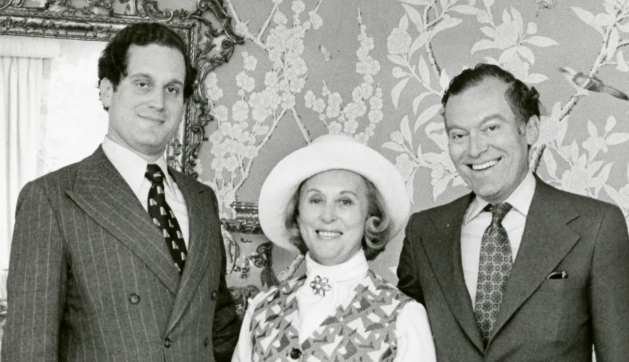
Estée Lauder’s origin story resembles celebrity wealth creation. Born Josephine Esther Mentzer in Queens, she built a cosmetics company from kitchen-cooked creams and door-to-door sales. Her first-generation fortune emerged from talent, timing, and effort—like any celebrity entrepreneur.
The difference emerged in what she built and how she governed it. Rather than maximizing personal income, Estée built an institution designed to outlive her. She trained her sons to manage the business. She established governance structures for succession. She prioritized the company’s permanence over her personal liquidity.
The Second Generation: Institutionalization
Leonard and Ronald Lauder transformed their mother’s company into a dynasty vehicle. Leonard served as CEO and built professional management. Ronald pursued diplomatic careers that enhanced family prestige. Both ensured their children received preparation for eventual leadership.
Crucially, the second generation maintained family control despite taking the company public in 1996. Dual-class stock structures preserved voting control while accessing public capital markets. This balance—public liquidity with private governance—characterizes sophisticated dynasty architecture.
The Third and Fourth Generations: Perpetuation
William Lauder and Aerin Lauder represent the third generation of active family leadership. William served as CEO and now as Executive Chairman. Aerin built her own AERIN lifestyle brand while maintaining family positions. A fourth generation is now being prepared for eventual responsibility.
The family’s Hamptons presence—compounds in Wainscott and East Hampton—reflects dynasty positioning rather than celebrity display. Ronald purchased 30 acres specifically to prevent development, later selling to East Hampton Town for preservation. This multi-generational land stewardship signals dynasty rather than celebrity orientation.
Case Study: Kim Kardashian’s $1.9 Billion Celebrity Fortune
Kim Kardashian’s fortune, while substantial, demonstrates classic celebrity wealth characteristics including the vulnerabilities dynasty wealth avoids.
The Single-Generation Achievement
Kardashian built her fortune from near-zero starting position. Her father Robert Kardashian was successful but not wealthy at dynasty scale. Her fame emerged from strategic exploitation of reality television and social media—platforms that didn’t exist a generation earlier. Everything she has, she built.
This self-made narrative inspires but also reveals vulnerability. Her wealth depends entirely on her continued relevance, health, and judgment. No institutional structures exist independent of her personal brand. SKIMS, valued at $4 billion with Kim holding roughly one-third, succeeds because of Kim’s involvement. Without her, valuation assumptions change dramatically.
The Personal Brand Dependency
Kardashian’s wealth concentrates in ventures dependent on her personal brand: SKIMS (shapewear), SKKN BY KIM (skincare), her reality television presence, and social media monetization. Each venture requires her ongoing involvement and depends on her maintaining public relevance.
Compare this to Estée Lauder Companies, which generates billions annually regardless of which Lauder family members are actively involved. The institutional brand has independent value. Kim’s ventures don’t yet possess this independence.
The Dynasty Question
Can the Kardashian fortune become a dynasty? The ingredients exist. The family operates as a coordinated unit with Kris Jenner managing multiple family members’ careers. Kylie, Khloé, Kourtney, and Kendall have each built independent ventures. The next generation—North West and others—could inherit a diversified portfolio.
However, the transition requires deliberate choices the family hasn’t yet made. They would need to build institutions independent of any individual’s fame, establish governance structures for succession, and prioritize perpetuation over current consumption. Whether they make these choices will determine if Kardashian becomes a dynasty name or a fascinating chapter in celebrity history.
Case Study: Taylor Swift’s Dynasty-Scale Celebrity Wealth
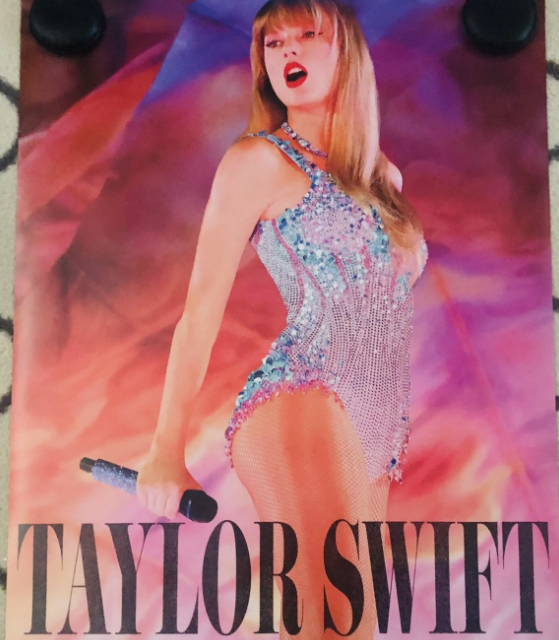
Taylor Swift’s $2 billion+ fortune occupies an unusual position—celebrity wealth at dynasty scale. Her choices will determine whether she creates a lasting institution or remains the largest celebrity fortune of her generation.
The Asset Ownership Achievement
Swift’s re-recording campaign to reclaim ownership of her master recordings represents sophisticated asset thinking. By creating new versions of her songs that she owns entirely, she converted income-dependent royalties into permanently owned assets. This ownership mentality resembles dynasty building more than typical celebrity behavior.
Her real estate portfolio—properties in Nashville, New York, Rhode Island, and Beverly Hills—demonstrates similar asset accumulation. Unlike celebrities who buy and sell for lifestyle, Swift accumulates and holds. The portfolio approach suggests wealth preservation orientation.
The Dynasty Transition Opportunity
Swift’s fortune is large enough to fund dynasty infrastructure. She could establish family office structures, create multi-generational trusts, and build governance mechanisms for succession. Her business acumen suggests she understands these possibilities.
The limiting factor may be family structure. Without siblings or (currently) children, Swift lacks the multi-member family that dynasties typically require. Her wealth may remain concentrated in a single generation before distributing to distant relatives or philanthropy rather than becoming a perpetuating dynasty.
Case Study: Sofia Coppola’s Dynasty-to-Celebrity-to-Artist Journey
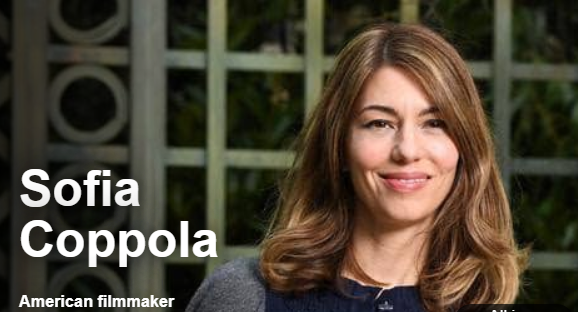
Sofia Coppola’s $40 million fortune illustrates the complexity of dynasty-adjacent celebrity wealth. Born into film royalty, she had to establish independent legitimacy while benefiting from dynasty resources.
The Dynasty Inheritance
Sofia entered the world as Francis Ford Coppola’s daughter, with access to family resources, networks, and credibility that self-made celebrities lack. Her father’s wine business, Napa Valley estate, and film industry relationships provided a foundation unavailable to most aspiring filmmakers.
However, dynasty inheritance cuts both ways. Her Godfather III performance was widely criticized, with audiences questioning whether her casting reflected talent or nepotism. She had to overcome the presumption that her opportunities were gifted rather than earned.
The Independent Achievement
Lost in Translation, which she wrote and directed, won her an Academy Award for Original Screenplay. This achievement—impossible to attribute to family connections—established her independent legitimacy. Her subsequent career balanced dynasty resources with personal accomplishment.
Sofia’s wealth now derives from both dynasty allocation and personal earnings. The combination provides stability that pure celebrity wealth lacks while maintaining the creative credibility that pure inheritance might undermine.
The Transition: How Celebrity Wealth Becomes Dynasty Wealth
Some celebrity fortunes successfully transition to dynasty status. Understanding the required changes clarifies what most celebrities fail to do.
Build Institutions, Not Just Income
Celebrity wealth typically optimizes for current income. Dynasty wealth optimizes for institutional permanence. The transition requires shifting from “How much can I earn?” to “What can I build that will outlive me?”
George Clooney’s Casamigos sale provides instructive contrast. He sold for $1 billion rather than building an institution his family would operate for generations. The exit maximized his personal wealth but foreclosed dynasty potential. An alternative path—retaining ownership, professionalizing management, planning succession—could have created a lasting institution.
Establish Governance Structures
Dynasty wealth requires governance mechanisms that prevent any individual from destroying the whole. Family councils, trust structures, professional management, and succession protocols all contribute to institutional resilience.
Celebrity fortunes rarely establish these structures because they feel unnecessary while the celebrity remains active and capable. By the time the celebrity recognizes the need, they may lack the time or capacity to implement proper governance.
Prioritize Perpetuation Over Consumption
Dynasties prioritize multi-generational preservation over current-generation consumption. This requires accepting lower current lifestyle in exchange for greater family security across time.
Celebrities, accustomed to high-consumption lifestyles during peak earning years, often struggle with this transition. The habits that felt appropriate at $50 million annual earnings become problematic when income declines but lifestyle expectations persist.
Prepare Successors
Dynasty perpetuation requires preparing the next generation for responsibility. The Lauders trained their children for leadership from early ages. Celebrity families often shelter children from business responsibility, leaving them unprepared to manage inherited wealth.
The statistics on inherited wealth dissipation are stark: approximately 70% of family fortunes disappear by the second generation and 90% by the third. These failures result from inadequate successor preparation more than any other factor.
The Patterns: What Separates Dynasty From Celebrity Wealth
Synthesizing these case studies reveals the essential differences between wealth categories.
Time Horizon Orientation
Celebrity wealth thinks in years or decades. Dynasty wealth thinks in generations or centuries. This time horizon difference drives every other distinction. Decisions that seem optimal for 10-year horizons often suboptimize for 100-year horizons.
Control vs. Liquidity Trade-offs
Dynasties typically accept lower liquidity in exchange for greater control. The Lauders’ dual-class stock structure sacrifices easy selling for preserved governance. Celebrities typically prioritize liquidity—the ability to access cash—over control of institutions.
Institution vs. Individual Orientation
Dynasty wealth subordinates individual interests to institutional perpetuation. Family members accept constraints on their behavior to protect collective reputation. Celebrity wealth centers individual freedom and expression, accepting the consequent fragility.
Compounding Mentality
Dynasty wealth compounds across generations, with each generation adding to inherited capital rather than consuming it. Celebrity wealth typically gets spent down or divided across heirs, rarely compounding beyond the founding generation.
The Playbook: Transitioning from Celebrity to Dynasty
For celebrities contemplating dynasty creation, specific actions enable the transition.
Start Early
Dynasty infrastructure takes decades to establish properly. Trust structures, governance mechanisms, and family protocols require time to design and implement. Celebrities who wait until late career often lack sufficient runway.
Build Institutions With Independent Value
Create businesses that can succeed without your continued involvement. This requires hiring professional management, establishing independent brands, and reducing personal-brand dependency. The goal is creating value that exists separate from you.
Accept Reduced Current Consumption
Dynasty building requires capital that could otherwise fund lifestyle. Accepting lower current consumption to fund multi-generational infrastructure represents the core trade-off. Few celebrities make this choice voluntarily.
Prepare Your Successors
Involve children or designated heirs in wealth management from early ages. Provide education in finance, governance, and responsibility. Create apprenticeship paths into family enterprises. Successor preparation is the highest-leverage activity for dynasty creation.
Establish Governance Before It’s Needed
Family councils, trust structures, and succession protocols work best when established during relative harmony. Waiting until conflict emerges to create governance mechanisms usually fails. The infrastructure must exist before the crisis.
The Bottom Line: Same Zeroes, Different Games
Kim Kardashian’s $1.9 billion and the Lauder family’s $33 billion represent different phenomena despite similar magnitudes. Kardashian built an extraordinary celebrity fortune that depends on her continued relevance. The Lauders built an institutional dynasty that will persist across generations regardless of individual family members’ activities.
Neither approach is morally superior. Celebrity wealth creation represents remarkable achievement, often from zero starting position against enormous odds. Dynasty perpetuation requires different skills—governance, patience, collective coordination—that don’t diminish the value of celebrity accomplishment.
Understanding the difference matters for anyone building, inheriting, or advising on significant wealth. The strategies that optimize celebrity fortune creation often contradict the strategies that enable dynasty perpetuation. Knowing which game you’re playing—and which game you want to be playing—determines which strategies to pursue.
The transition from celebrity to dynasty remains possible for those who start early, build institutions, and prepare successors. Whether the current generation of celebrity billionaires makes this transition will determine whether their names persist as dynasty founders or fade as historical curiosities.
Related Articles
- Lauder Family Net Worth 2025: How One Dynasty Defines Beauty
- Kim Kardashian Net Worth 2025: From Reality TV to $1.9 Billion Empire
- Taylor Swift Net Worth 2025: How a Bullied Kid Built a $2 Billion Empire
- Sofia Coppola Net Worth 2025: Dynasty Daughter’s Own Empire
For features, advertising partnerships, and editorial inquiries, visit sociallifemagazine.com/contact. Experience the Hamptons’ premier polo events at polohamptons.com. Subscribe to our print edition for exclusive Hamptons coverage delivered to your door. Support independent luxury journalism with a $5 contribution to Social Life Magazine.
Author

Written by
Recent Posts
The Renegade Housewives of Pop Art: A Memoir of the 1960s
Nicole Miller
Unlocking the Berkshires
Dalia Forman Design
Alberto Luzzi
Categories
- Art
- Articles
- Business of Luxury
- Celebrities
- Culture
- Entertainment
- Events
- Faces of Summer 2026
- Fashion
- Fashion & Style
- Featured
- Finance
- Food, Spirits, Wine
- Hamptons
- Hamptons Celebrities
- Health
- Health & Beauty
- Lifestyle
- Luxury Lifestyle
- Press
- Profiles
- Real Estate
- Technology
- The Chronicles
- Travel
- Uncategorized
- Weddings