
When Adding Revenue Streams Destroys Value
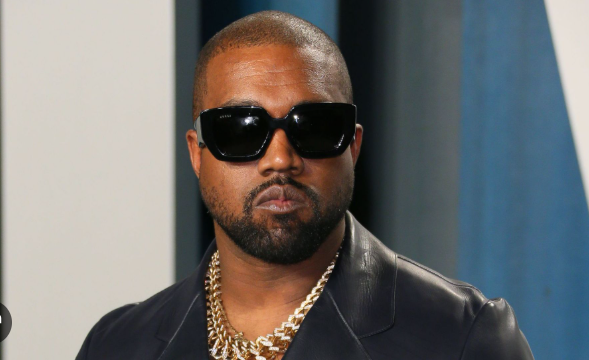
Kanye West’s Yeezy partnership with Adidas generated $2B in annual revenue at peak. Then reputational damage severed every corporate relationship simultaneously. Forbes stripped his billionaire status overnight. The concentrated bet that created the fortune also created the fragility that destroyed it. This is the diversification trap in its most expensive form: when adding revenue streams without structural protection destroys more value than it creates.
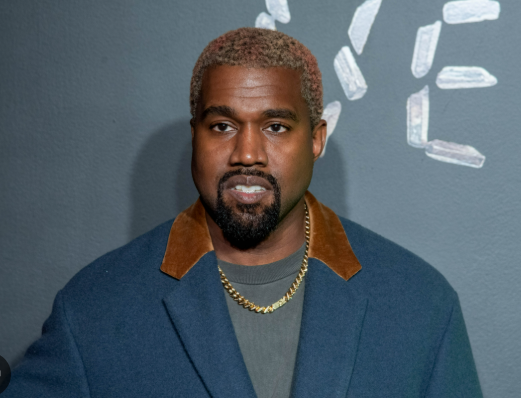
The data across The Chronicles reveals a distinction that most celebrity business coverage misses. Not all diversification creates value. The celebrities who chase every revenue stream dilute their brand equity. The ones who diversify along a coherent narrative axis multiply it. According to McKinsey’s diversification research, brand extensions that reinforce core positioning generate 2–3x better returns than extensions that dilute it. The same principle applies with even greater force to celebrity brands, where audience perception determines value.
What follows is a breakdown of how the diversification trap works, who has navigated it successfully versus catastrophically, and how to build a portfolio that creates antifragility rather than concentrated risk—at every wealth level from emerging creator to dynasty.
Coherent vs. Incoherent Diversification
Kanye West: $400M and the Concentrated Fragility Lesson
Kanye West’s trajectory demonstrates both the upside and the catastrophic downside of concentrated celebrity business exposure. At peak, his net worth exceeded $2B, built primarily on Yeezy’s partnership with Adidas. The concentration created extraordinary returns while the partnership functioned. When it severed, there was no diversified base to absorb the loss.
The structural vulnerability was twofold. First, the revenue depended on a single corporate relationship West did not control. Second, the brand equity was entirely reputational—tied to public perception of West personally rather than product quality or owned intellectual property that could survive reputational damage. Consequently, when the reputational damage occurred, both vulnerabilities triggered simultaneously. There was no holding company structure to protect other ventures from contagion. There was no reputation-independent income stream to maintain wealth. The $2B fortune collapsed to approximately $400M because the diversification that appeared to exist was actually concentration disguised as diversification.
LeBron James: $1.2B Through Coherent Antifragility
LeBron James’s diversification model demonstrates the opposite approach. His portfolio spans Nike equity, Fenway Sports Group ownership, SpringHill Company production, and investments across real estate and technology. Each position reinforces the others without creating single-point-of-failure vulnerability.
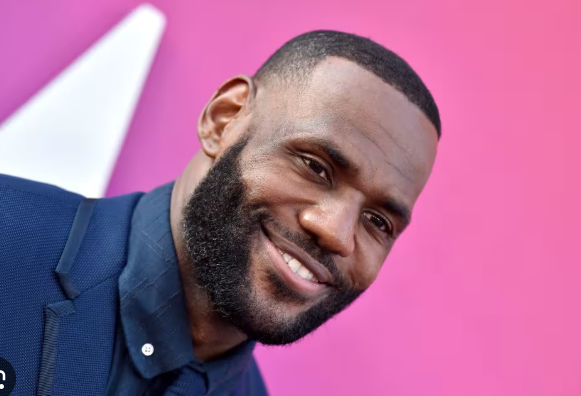
The coherence is structural. Nike equity ties to his athletic identity. Fenway Sports Group ties to his sports expertise and network. SpringHill produces content that markets his other investments while generating independent returns. According to Harvard Business Review’s portfolio analysis, diversification that creates reinforcing loops between positions outperforms diversification that merely spreads risk. Furthermore, James’s positions are structured to survive reputational volatility. If public perception of James changed dramatically, his Fenway Sports Group ownership would continue appreciating based on underlying asset values. His Nike equity would continue generating returns based on company performance. The portfolio compounds regardless of any single component’s performance.
Lisa Vanderpump: $90M Through Narrative Axis Alignment
Lisa Vanderpump’s portfolio demonstrates coherent diversification at the established tier. Restaurants (SUR, PUMP, TomTom), a vodka brand (Vanderpump Vodka), reality television (Real Housewives, Vanderpump Rules), and a pet product line (Vanderpump Dogs) appear to span unrelated categories. However, they all serve the same aspirational lifestyle brand.
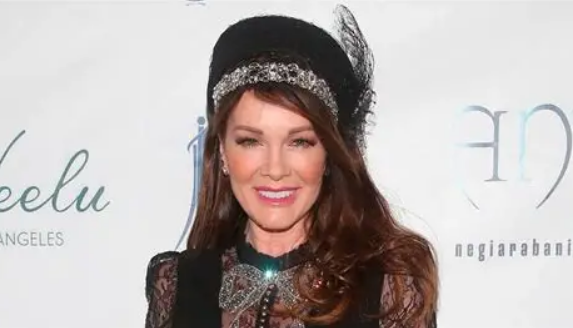
The narrative axis is luxury lifestyle with British sophistication and animal welfare consciousness. Every venture reinforces that positioning. Restaurants provide settings for the television shows, which market the restaurants, while the vodka brand extends her hospitality identity. Meanwhile, the pet line connects to her rescue foundation, which generates press that markets everything else. In contrast to incoherent diversification—celebrity crypto endorsements, random NFT drops, disconnected product licensing—Vanderpump’s portfolio makes her brand story clearer with each addition rather than blurrier. The attention arbitrage compounds because each venture generates attention that flows to the others.
Teresa Giudice: Bankruptcy as Diversification Failure
Teresa Giudice’s trajectory illustrates the consequences of incoherent diversification combined with structural vulnerability. Her brand extensions—cookbooks, product lines, appearances—generated revenue but did not create insulated wealth structures. When legal troubles resulted in bankruptcy and prison, there was no protected base to preserve.
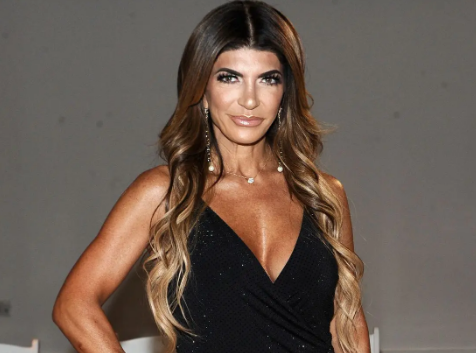
The lesson is not that diversification failed but that diversification without structural protection failed. Giudice diversified into multiple revenue streams, but all streams depended on her continued public presence and positive reputation. None were structured to survive the specific risks that materialized. Similarly, the diversification created the appearance of stability without the structural reality. At this tier, the strategic priority should have been creating at least one income stream that functioned independently of personal reputation—investment income, ownership positions in businesses with independent management, or catalog assets that generate royalties regardless of creator circumstances.
Celebrity Brand Empires: Rihanna, Gisèle, CR7 Comparison
The celebrity brand empire comparison data reveals patterns that distinguish successful diversification from value-destroying diversification. Rihanna’s Fenty Beauty and Savage X Fenty succeed because they align with her established identity: fashion-forward, inclusive, boundary-pushing. Gisèle’s wellness and sustainable fashion ventures align with her post-modeling positioning. Cristiano Ronaldo’s CR7 brand spans underwear, hotels, and fitness—all tied to his identity as a physical perfectionist.

According to Bain & Company’s brand extension research, celebrity brand extensions that audiences perceive as authentic outperform those perceived as opportunistic by 4–5x on customer acquisition cost efficiency. The key variable is narrative coherence. Can the audience tell a story about why this celebrity launched this product that feels true rather than transactional? Rihanna launching inclusive beauty products makes narrative sense. A random celebrity endorsing cryptocurrency does not. The audience perception determines whether the extension creates value or extracts it from existing brand equity.
How Diversification Strategy Applies at Every Wealth Level
Diversification discipline operates at every scale. The difference is which structures are available at your current wealth level and what type of portfolio provides the optimal combination of growth and protection. Meanwhile, the common mistake is treating diversification as a quantity strategy rather than a coherence strategy.
Tier 1: Emerging ($1M–$10M)
Pick one brand extension. One. Nail it before adding another. At this tier, specifically, resources are too limited to execute multiple extensions well simultaneously. Chappell Roan’s focus on touring and merch before brand deals demonstrates the discipline. Each extension requires capital, management attention, and brand equity investment. Spreading those resources across multiple extensions at this tier produces multiple mediocre outcomes rather than one exceptional outcome. The sequencing matters: establish one extension as clearly successful before launching the next.
Tier 2: Established ($10M–$100M)
Diversify along your narrative axis. Gordon Ramsay’s restaurants, television shows, and cookbooks all serve the “demanding excellence in food” story. Each new venture makes the brand story clearer rather than blurrier. At this tier, furthermore, the strategic test for any extension is whether it reinforces or dilutes your core positioning. If you cannot explain to your audience why you are launching this product in a way that feels authentic, the extension will extract brand equity rather than build it. The brand extension ladder should climb along a single narrative axis, not scatter across disconnected categories.
Tier 3: Mogul ($100M–$500M)
Build a holding company structure that protects each venture from contagion. If one brand fails, the others must survive independently. At this tier, the Kanye lesson applies directly. Concentrated success creates concentrated risk. Consequently, the portfolio should be structured so that reputational damage to one venture does not automatically transfer to others. This requires legal separation (distinct corporate entities), operational independence (separate management teams), and ideally some positions that are not tied to personal reputation at all—real estate, index funds, or ownership stakes in companies where your involvement is passive.
Tier 4: Dynasty ($500M–$5B+)
The portfolio should generate returns that are uncorrelated with your personal reputation. Spielberg’s 2% perpetual royalty on Universal theme parks pays regardless of his public statements. His ownership stakes in production infrastructure generate returns based on industry economics, not personal brand perception. At this tier, the strategic goal is reputation-independent wealth—assets that compound regardless of what happens to you personally. According to McKinsey’s family office research, dynasties that successfully transfer wealth across generations maintain at least 60% of assets in categories that do not depend on any family member’s continued participation or reputation.
Why Diversification Discipline Matters More Now
Three forces are making the diversification trap more dangerous and coherent diversification more valuable than ever before.
First, cancel culture has increased the speed and severity of reputational damage. The Kanye scenario—multiple corporate relationships severing simultaneously based on public statements—was rare a decade ago. Today, it represents a realistic risk for any celebrity with concentrated brand-dependent positions. Portfolios that survived historical reputational volatility may not survive contemporary volatility.
Second, social media has made brand dilution more visible and more punishing. When a celebrity launches an incoherent brand extension, the audience response is immediate and public. According to Bain & Company’s brand research, negative social media response to perceived inauthentic celebrity extensions reduces future brand deal value by 15–25%. The market punishes incoherence faster than ever.
Third, the PE premium on celebrity brands rewards coherent positioning over scattered extension. Private equity acquirers pay higher multiples for brands with clear, defensible positioning than for brands that have diluted equity across multiple categories. Exit valuations increasingly depend on brand coherence, making disciplined diversification a capital optimization strategy as well as a risk management strategy.
What This Means for Your Next Move
Every brand extension either reinforces your narrative axis or dilutes it. There is no neutral ground. The next product you launch, the next endorsement you accept, the next venture you announce—each either makes your brand story clearer or blurrier to your audience.
Consider the portfolios that populate the Hamptons, the brands featured in Social Life Magazine, and the conversations that happen at Polo Hamptons. The wealth that persists across generations was not built through scattered diversification that chased every opportunity. It was built through coherent diversification that reinforced positioning while creating structural protection against concentrated risk. The loudest failure stories are always concentration without protection. The quietest success stories are always coherence with antifragility.
Up next in The Chronicles: the timeline dynamics that determine optimal wealth building. The wealth timeline analysis reveals why some celebrities peak early and fade while others compound across decades—and the structural decisions that determine which trajectory you follow.
Continue Reading The Chronicles
→ LeBron James Net Worth: How Coherent Diversification Built $1.2 Billion
→ The Wealth Timeline: Why Some Celebrities Compound While Others Fade
The brands featured in Social Life Magazine understand coherent diversification. They extend along narrative axes that reinforce rather than dilute. For features, advertising, and strategic collaborations: sociallifemagazine.com/contact
Polo Hamptons is where coherent brand positioning meets capital. The conversations that shape portfolios happen in this room. Tickets and sponsorships: polohamptons.com
The best deals in the Hamptons happen before they are announced. Our list hears first. Subscribe to the Social Life insider briefing.
25,000 copies per summer issue reach every boutique from Westhampton to Montauk. 15,000 fall/winter editions land in Upper East Side doorman buildings. Print subscription →
Independent media tracking diversification strategy, brand coherence, and the economics of fame. Support The Chronicles — $5 keeps it free for everyone.
Author

Written by
Recent Posts

hiTechMODA Season 16
How to Keep Your Personal Number Private When Booking Events, Rentals and Services
Understanding Compensatory Damages in a Personal Injury Case

When Online Family Therapy Makes Sense for Modern Families

Carrier Oils, Essential Oils, and Oil Blends: What Beauty Brands Need to Know
Categories
- Art
- Articles
- Business of Luxury
- Celebrities
- Culture
- Entertainment
- Events
- Faces of Summer 2026
- Fashion
- Fashion & Style
- Featured
- Finance
- Food, Spirits, Wine
- Hamptons
- Hamptons Celebrities
- Health
- Health & Beauty
- Lifestyle
- Luxury Lifestyle
- Press
- Profiles
- Real Estate
- Technology
- The Chronicles
- Travel
- Uncategorized
- Weddings