
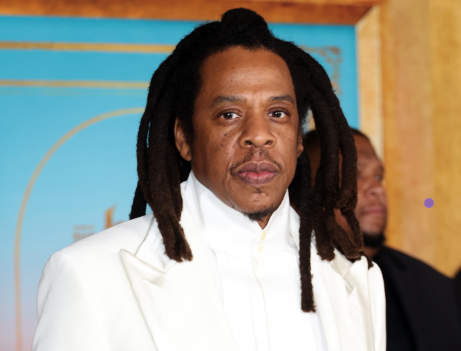
An eleven-year-old boy in apartment 5C of Brooklyn’s Marcy Projects watched his father walk out the door and never come back. Forty years later, that boy owns a $26 million estate on Georgica Pond in East Hampton, a champagne brand valued at over $600 million, and a net worth of $2.5 billion. The address changed. The ambition that drives the accumulation never did.
Jay-Z’s net worth of $2.5 billion makes him the wealthiest musician on the planet as of January 2026, according to Forbes. His wife Beyoncé recently crossed the billion-dollar mark herself, placing the Carter household’s combined fortune at approximately $3.5 billion. But Jay-Z’s wealth story isn’t about the numbers. It’s about the sequence of decisions that turned a rapper who couldn’t get a record deal into the most successful entrepreneur in music history.
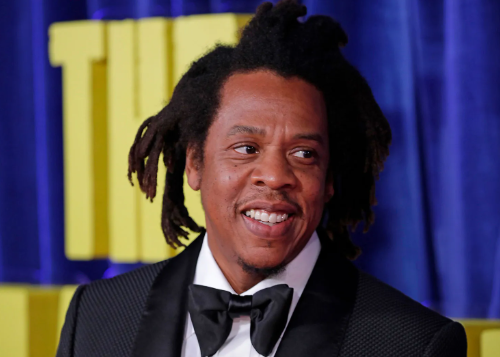
The Origin: From Dealing to Dealing Records
Shawn Corey Carter grew up in the Marcy Houses public housing complex in Bedford-Stuyvesant, Brooklyn. After his father left, the family lived without running water for stretches. Carter turned to the street economy. He has spoken openly about dealing drugs as a teenager, an experience that would later inform both his lyrical content and his business instincts for reading markets, managing risk, and understanding leverage.
After years of rejection from every major label in New York, Carter did something that would define his entire career. He refused to accept someone else’s terms. In 1995, with partners Damon Dash and Kareem “Biggs” Burke, he founded Roc-A-Fella Records. They pressed their own CDs. They sold them out of car trunks. The label’s first release, Reasonable Doubt (1996), reached number 23 on the Billboard 200 and went gold.
Within two years, Roc-A-Fella had secured a distribution deal with Def Jam. By 2004, Jay-Z had been named president and CEO of Def Jam Recordings, a deal that allowed him to reclaim his master recordings and secure his publishing rights. Most artists spend careers chasing hit records. Jay-Z spent his chasing ownership of the infrastructure that makes hit records profitable.
The Fortune: Where $2.5 Billion Actually Lives
Jay-Z’s music catalog is worth approximately $95 million. That figure represents less than 4% of his total net worth. He owns both his masters and publishing rights. But the catalog is a footnote in a portfolio that reads like the holdings of a mid-market private equity firm.
Spirits empire (est. $1 billion+ in total value). In 2014, Jay-Z acquired Armand de Brignac champagne outright. In 2021, he sold 50% to LVMH’s Moët Hennessy at a valuation of $640 million, netting approximately $315 million while retaining half the brand. His remaining 25% stake is valued at roughly $750 million. His D’Ussé cognac venture with Bacardi culminated in a February 2023 sale that valued the brand at $3 billion. Jay-Z reportedly took home $750 million from that single transaction.
Roc Nation (est. $140 million+). The full-service entertainment conglomerate manages artists including Rihanna, manages athletes across the NFL and NBA through Roc Nation Sports, and produces the Super Bowl halftime show through a long-term NFL partnership. Roc Nation generates estimated annual revenues exceeding $100 million.
Investments and real estate. An early $2 million investment in Uber grew to approximately $70 million. He holds stakes in Block (formerly Square) and has invested through his venture capital firm, Marcy Venture Partners. His art collection, which includes works by Jean-Michel Basquiat, is valued at approximately $70 million. His real estate portfolio with Beyoncé includes an $88 million Bel-Air mansion, properties in the Hamptons, and a New York City penthouse.
Rocawear. He and Damon Dash launched the clothing brand in 1999. At its peak, Rocawear generated $350 to $450 million in annual revenue. Jay-Z sold the rights to Iconix Brand Group for $204 million in 2007 while retaining marketing oversight. He later repurchased the intellectual property rights for $15 million in 2019.
The Strategy: Taste as an Asset Class
What distinguishes Jay-Z from every other wealthy musician isn’t the diversification itself. Plenty of celebrities invest in restaurants and clothing lines. It’s the consistent application of what Harvard Business Review would call “cultural arbitrage.”
Jay-Z identifies categories where brand perception drives pricing power. Champagne. Cognac. Streaming platforms. Sports management. He enters those categories with credibility that money cannot buy, built over decades of cultural influence. Then he structures deals that give him equity rather than endorsement fees.
Consider the Armand de Brignac play. Jay-Z didn’t endorse someone else’s champagne for a check. He acquired the brand, repositioned it as hip-hop’s luxury standard through organic cultural placement, then sold half to the world’s largest luxury conglomerate at a valuation that reflected the brand premium his association created. The strategy didn’t just make money. It manufactured an asset that appreciates because it’s associated with him.
His 13 studio albums have sold over 33.5 million copies in the United States alone. All are certified platinum. He holds 25 Grammy Awards, the most of any hip-hop artist in history. Yet he hasn’t released a solo album since 2017’s 4:44. His fortune continues compounding anyway. Annual income is estimated in the $150 million range from investments, touring, and business operations.
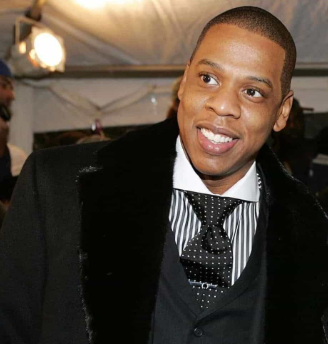
The Deal Flow: A Timeline of Wealth Creation
1995: Co-founds Roc-A-Fella Records. 1999: Launches Rocawear. 2004: Named Def Jam president; secures masters and publishing. 2007: Sells Rocawear for $204 million. 2008: Founds Roc Nation. 2013: Invests $56 million in Tidal streaming platform. 2014: Acquires Armand de Brignac champagne. 2019: Becomes hip-hop’s first billionaire at $1 billion according to Forbes. 2021: Sells 50% of Armand de Brignac to LVMH. 2023: Sells D’Ussé stake to Bacardi for approximately $750 million. 2026: Net worth reaches $2.5 billion.
Every major wealth event in that timeline involves selling an asset Jay-Z built or acquired at a steep premium. Not one involves a record sale, a streaming check, or a concert receipt. The music made him famous. The ownership made him rich. The timing made him a billionaire.
The Lesson for Serious Money
Jay-Z’s portfolio reads like a playbook for converting cultural influence into durable wealth. The principles translate far beyond entertainment. Identify markets where perception drives margins. Build rather than borrow credibility. Structure deals around equity, not fees. Time exits to coincide with peak valuation, not peak personal need.
At 55, Jay-Z’s fortune is still compounding. Roc Nation’s NFL partnership ensures continued influence through at least 2026. His remaining spirits portfolio generates passive income in the tens of millions annually. And the $88 million Bel-Air estate he shares with Beyoncé isn’t just a residence. It’s a real estate position in one of the most supply-constrained luxury markets in the world.
The kid from Marcy Projects didn’t just get rich. He built a wealth engine that operates independently of his physical presence, his creative output, or the next news cycle. That’s not fame. That’s finance. And the distance between those two things is where the $2.5 billion lives.
This article is part of Social Life Magazine’s Mogul Tier series within our 90s Music Icons collection.
Read next: Beyoncé Net Worth 2026: Destiny’s Child to $1 Billion | What Jay-Z Understands About Money That Other Musicians Don’t
Want to feature your brand alongside stories like this? Contact Social Life Magazine about partnership opportunities. Join us at Polo Hamptons this summer. Subscribe to the print edition or join our email list for exclusive content. Support independent luxury journalism with a $5 contribution.
Author

Written by
Recent Posts
Get Panama Residency in 30 Days — A Simple Look at Mercan’s Easy Program Process
How to Choose a Stay for a Multigenerational Resort Trip
How Family Property Disputes Can Affect Relationships and Long-Term Plans

Choosing a Reformer for the Life You Already Have
Artful Living: Unique Gifts With A Creative Edge
Categories
- Art
- Articles
- Business of Luxury
- Celebrities
- Culture
- Entertainment
- Events
- Faces of Summer 2026
- Fashion
- Fashion & Style
- Featured
- Finance
- Food, Spirits, Wine
- Hamptons
- Hamptons Celebrities
- Health
- Health & Beauty
- Lifestyle
- Luxury Lifestyle
- Press
- Profiles
- Real Estate
- Technology
- The Chronicles
- Travel
- Uncategorized
- Weddings