
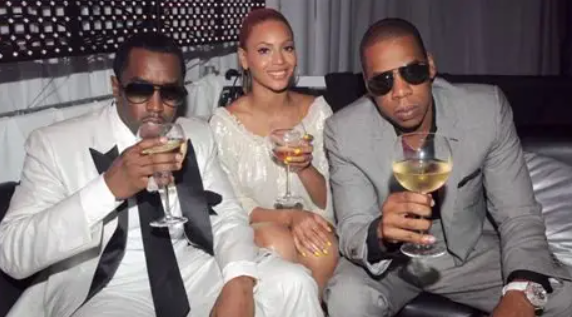
Four artists walked out of the 1990s with platinum records and empty pockets. Then they did something almost nobody in the music industry had ever done. They stopped chasing royalty checks. They started buying the companies that wrote them.
Jay-Z, Beyoncé, Dr. Dre, and Diddy didn’t just survive the decade that invented modern fame. They studied its mechanics, identified where the real money lived, and systematically acquired it. Their combined net worth now exceeds $4 billion. Their music catalogs account for less than 10% of that figure.
That gap between what they earned on stage and what they built in boardrooms is the most important financial story in entertainment history. It’s also a blueprint that reads less like a Behind the Music episode and more like a Harvard Business Review case study in asset accumulation.
The Ownership Thesis That Changed Everything
The traditional music industry operated on a simple extraction model. Labels fronted recording costs. Artists delivered albums. Labels kept the masters, controlled distribution, and paid artists a fraction of every dollar generated. For decades, that fraction averaged between 12 and 18 cents on every dollar of revenue. The math was brutal and it was designed to be.
What separated these four moguls from their equally talented peers wasn’t vocal range or stage presence. It was a shared realization that arrived at different times but produced the same conclusion. Owning 100% of something small beats owning 15% of something enormous. Every single time.
Jay-Z learned this lesson selling CDs out of his car trunk in 1995 after every major label rejected him. Beyoncé absorbed it watching her father negotiate deals that enriched Destiny’s Child’s label more than its members. Dr. Dre lived it at Death Row Records, where he produced albums that generated hundreds of millions while his own bank account barely cleared six figures. Diddy witnessed it from the inside at Uptown Records before founding Bad Boy.
Each one took that lesson and built something the 90s music industry never anticipated. Empires that didn’t need hit records to print money.
Jay-Z: The $2.5 Billion Portfolio
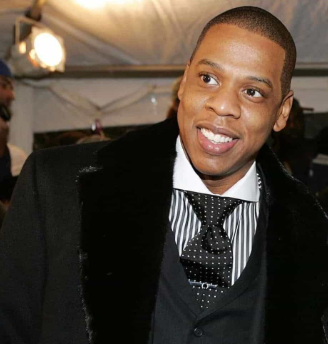
Jay-Z’s net worth stands at $2.5 billion as of early 2026, according to Forbes. He is the wealthiest musician alive. His music catalog, valued at roughly $95 million, represents less than 4% of his total fortune.
The remaining 96% came from a sequence of moves that would make any private equity partner nod in recognition. He sold Rocawear to Iconix Brand Group for $204 million while retaining marketing control. Then came Armand de Brignac champagne, acquired outright and later flipped at 50% to LVMH at a $640 million valuation. A $2 million bet on Uber grew to $70 million. And the D’Ussé cognac stake went back to Bacardi for $750 million in February 2023, a transaction that valued the brand at $3 billion.
His Roc Nation entertainment conglomerate now manages artists, athletes, and the NFL’s Super Bowl halftime show. The company doesn’t release revenue figures, but industry estimates place its annual gross north of $100 million.
Jay-Z didn’t diversify away from music because he lost interest. He diversified because he understood something most artists never learn. Taste is an asset class. The ability to identify what affluent consumers will desire before they know they desire it is worth more than any recording contract ever printed.
Beyoncé: The Billion-Dollar Breakaway
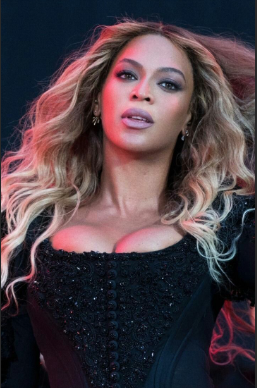
Beyoncé crossed the billion-dollar threshold in December 2025, becoming only the fifth musician in history to reach that milestone according to Forbes. Her net worth of approximately $1 billion was not built on a single IPO, brand sale, or liquidity event. It compounded slowly and deliberately over two decades of ownership.
The pivotal decision came in 2010 when she founded Parkwood Entertainment and brought nearly every aspect of her professional life in-house. Production. Distribution. Tour management. Film. Merchandising. Parkwood didn’t just reduce the middlemen collecting percentages of Beyoncé’s labor. It eliminated them.
The results were staggering. Her 2023 Renaissance World Tour grossed over $500 million across 56 shows. The 2024-2025 Cowboy Carter Tour generated over $400 million in ticket sales from just 32 dates, making it the highest-grossing country tour in history. Because Parkwood controlled production, Beyoncé captured a far larger share of those revenues than artists working through traditional promoter arrangements.
She also owns her music catalog outright. That catalog’s estimated value of $300 million isn’t just a number on a balance sheet. It’s a compounding asset that generates licensing fees, streaming royalties, and sync revenue 24 hours a day without requiring her to set foot on a stage.
Dr. Dre: The $3 Billion Pivot
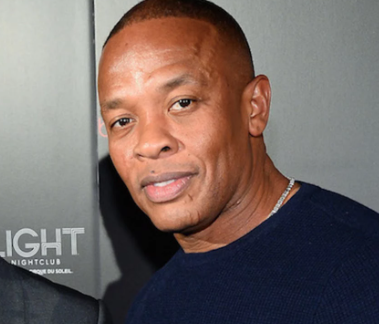
Dr. Dre’s net worth sits at approximately $500 million, down from a peak near $800 million following his divorce settlement. But the story that matters isn’t the current number. It’s the single business decision that transformed a Compton producer into one of music’s wealthiest figures.
In 2006, Dre complained to Interscope chairman Jimmy Iovine about the audio quality of Apple’s earbuds. “It’s one thing that people steal my music,” he reportedly said. “It’s another thing to destroy the feeling of what I’ve worked on.” By the end of that meeting, they had decided to launch a headphone company.
Beats Electronics debuted in 2008 and captured 70% of the premium headphone market within five years. The company understood something the entire consumer electronics industry had missed. Headphones were not audio equipment. They were fashion accessories. Status symbols. Wearable identity markers. Dre’s credibility as a producer gave Beats an authenticity that no amount of marketing could manufacture.
When Apple acquired Beats for $3 billion in 2014, Dre and Iovine each held approximately 25% equity. Dre’s pre-tax payout was roughly $750 million. It remains the highest single-year income any musician has ever recorded, according to Forbes. He also received $100 million in Apple stock, which has roughly doubled in value since.
In 2023, Dre sold his music catalog to Universal Music Group and Shamrock Holdings for over $200 million. The man who launched the careers of Snoop Dogg, Eminem, 50 Cent, and Kendrick Lamar realized that his ear for talent was ultimately less valuable than his instinct for product design.
Diddy: The Empire in Freefall
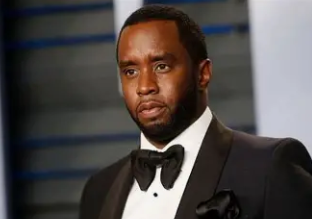
Sean Combs’ net worth has plummeted from a reported $1 billion in 2022 to an estimated $400 million in 2026, according to Forbes. The decline coincides with federal criminal charges, a conviction on two counts of transportation for prostitution, and a four-year prison sentence handed down in 2025.
Before the fall, Combs had constructed one of the most diversified portfolios in entertainment. Bad Boy Records reportedly generated $130 million annually at its peak. His 50/50 partnership with Diageo on Cîroc vodka and DeLeón tequila produced an estimated $60 million in yearly income. Sean John clothing generated $450 million in annual sales at its height. Revolt TV, his digital media network, added another revenue stream before he sold his stake in 2023.
The lesson of Diddy’s trajectory is uncomfortable but essential. Business empires built on personal brand are only as durable as the reputation that sustains them. Diageo terminated their partnership. Macy’s phased out Sean John. Over 50 civil lawsuits have been filed. Legal experts estimate his defense costs alone have consumed millions.
The federal government sought asset forfeiture under RICO charges. While he was acquitted of the racketeering count, the conviction and ongoing civil exposure suggest his net worth will continue to erode. The mogul who once rivaled Jay-Z now serves as the starkest cautionary tale in the cluster.
What the Mogul Tier Reveals About Modern Wealth
These four stories share a common architecture. Each artist used 90s fame as startup capital for ventures that had nothing to do with music. Jay-Z invested in spirits, tech, and sports management. Beyoncé built a vertically integrated entertainment company. Dre created a consumer electronics brand. Diddy diversified across media, fashion, and spirits.
The divergence in outcomes reveals something McKinsey would call the “ownership premium.” Jay-Z and Beyoncé maintained control of their assets and increased their wealth. Dre cashed out at peak valuation and locked in generational capital. Diddy, who relied more heavily on licensing partnerships and personal brand leverage, saw his fortune collapse when the brand became toxic.
For anyone managing significant wealth, whether you earned it through a liquidity event, a family office, or three decades of compound growth, the pattern is worth studying. The 90s created the modern celebrity economy. But the artists who got rich weren’t the ones who sold the most records. They were the ones who stopped being artists and started being owners.
The records were just the business card.
This article is part of Social Life Magazine’s 90s Music Icons series, exploring how the decade’s biggest stars built, lost, and protected their wealth.
Read next: Jay-Z Net Worth 2026: Marcy Projects to Music’s First Billionaire | What Jay-Z Understands About Money That Other Musicians Don’t
Want to feature your brand alongside stories like this? Contact Social Life Magazine about partnership opportunities. Join us at Polo Hamptons this summer. Subscribe to the print edition or join our email list for exclusive content. Support independent luxury journalism with a $5 contribution.
Author

Written by
Recent Posts
How to Measure Whether a Hair Loss Treatment Is Working
Is Online Psychiatry Covered by Insurance? What to Know Before Booking
Four Habits of Quietly Successful Entrepreneurs

The Most Common Preventable Health Concerns Doctors See Today
What Affects a Rideshare Injury Settlement?
Categories
- Art
- Articles
- Business of Luxury
- Celebrities
- Culture
- Entertainment
- Events
- Faces of Summer 2026
- Fashion
- Fashion & Style
- Featured
- Finance
- Food, Spirits, Wine
- Hamptons
- Hamptons Celebrities
- Health
- Health & Beauty
- Lifestyle
- Luxury Lifestyle
- Press
- Profiles
- Real Estate
- Technology
- The Chronicles
- Travel
- Uncategorized
- Weddings