
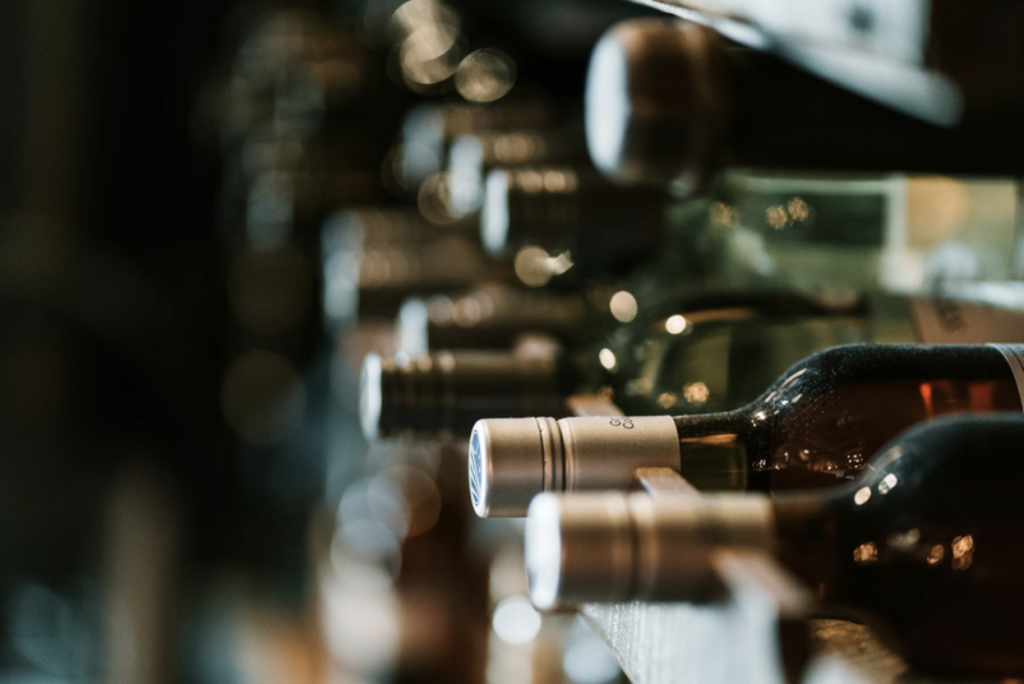
A summer evening unfolds on a Manhattan rooftop: the skyline glows amber, conversation flows easily, and wine glasses catch the last light. These gatherings have become a hallmark of urban sophistication—not merely for the view, but for the careful attention to detail that transforms a simple get-together into something memorable. Among the elements that separate an ordinary party from an exceptional one is something deceptively simple: proper wine service.
Temperature control matters more than most hosts realize. A wine served too warm loses its structure; too cold, and its aromatics disappear entirely. Wine chillers solve this problem elegantly, maintaining optimal serving conditions throughout an event. This guide examines the landscape of wine cooling solutions—from single-bottle designs to portable systems—and how they elevate outdoor entertaining.
Why Temperature Defines the Wine Experience
The difference between mediocre and exceptional wine service often comes down to a few degrees. Temperature directly affects how we perceive flavor compounds and aromatic molecules in wine. Serve a Chardonnay at room temperature, and it tastes flabby and alcoholic. Chill it properly, and suddenly the minerality and fruit balance emerge.
The Wine & Spirit Education Trust has established specific temperature ranges for different wine styles. Sparkling wines perform best between 40-50°F, while full-bodied reds open up around 60-65°F. These aren’t arbitrary numbers—they’re based on how temperature affects the volatility of aromatic compounds and the perception of tannins and acidity.
A quality wine chiller delivers several concrete benefits:
- Flavor Preservation: Maintains the temperature range where a wine’s intended flavor profile expresses itself fully
- Consistency: Prevents the gradual warming that occurs during outdoor events, especially in summer
- Versatility: Allows hosts to serve multiple wine styles at their respective ideal temperatures
From Ancient Cellars to Modern Cooling Technology
Wine preservation has preoccupied vintners and collectors for millennia. The Romans stored amphorae in underground chambers where stable temperatures slowed oxidation. Medieval monasteries built elaborate cellars with thick stone walls that buffered against seasonal temperature swings. These weren’t luxuries—they were necessities for keeping wine drinkable beyond a single season.
The 17th century brought glass bottles and cork closures, which revolutionized aging potential but created new challenges. Wine could now travel and mature, but it remained vulnerable to heat and temperature fluctuation. The evolution of wine culture accelerated in the 20th century with refrigeration technology, leading to today’s precision cooling systems that maintain temperatures within a single degree.
Contemporary wine chillers represent the culmination of this long arc—portable, precise, and designed for the realities of modern entertaining, where wine service happens on rooftops, patios, and boats rather than in climate-controlled dining rooms.
Selecting the Right Cooling Solution
The wine chiller market offers distinct categories, each suited to different entertaining scenarios. Understanding these options helps match the tool to your specific needs:
- Single-Bottle Chillers: Elegant tabletop designs that maintain one bottle at serving temperature. Ideal for intimate gatherings or when serving multiple wine styles simultaneously.
- Portable Multi-Bottle Systems: Lightweight units designed for transport. Essential for rooftop parties where access to refrigeration is limited.
- Insulated Coolers: Passive cooling systems that maintain temperature for several hours without power. Best for locations without electrical access.
Several factors should guide your selection:
- Capacity Requirements: Calculate based on guest count and event duration—figure one bottle per three guests for a three-hour event.
- Mobility Needs: Rooftop entertaining often means carrying equipment up stairs or in elevators. Weight and form factor matter.
- Cooling Duration: Consider how long the chiller maintains temperature without intervention. Quality insulation extends this window significantly.
- Power Source: Some locations lack convenient outlets. Battery-powered or passive cooling systems offer flexibility.
For hosts who frequently entertain outdoors, investing in a well-designed portable system pays dividends. You can select cooling solutions from Vinglacé, Brookstone, or Sharper Image.
Design Meets Function in Modern Wine Cooling
The best wine chillers balance aesthetics with performance. They need to work efficiently while complementing the visual environment of an upscale gathering. Industrial-looking coolers filled with ice might keep wine cold, but they undermine the atmosphere you’re trying to create.
Contemporary designs address this tension. Brushed stainless steel, powder-coated finishes, and minimalist forms allow wine chillers to function as table accessories rather than utilitarian equipment. Portable models have evolved beyond basic cooler bags into sophisticated carrying systems that wouldn’t look out of place at a design exhibition.
The practical advantages of portability extend beyond aesthetics. Rooftop venues often have limited prep space and no dedicated wine storage. A portable chiller allows you to bring bottles to serving temperature before the event and maintain that temperature throughout. This flexibility transforms how you can entertain in spaces that weren’t designed for formal service.
White Wine and Summer Evenings
Summer entertaining presents specific challenges for white wine service. Ambient temperatures can reach 85°F or higher on urban rooftops, while ideal serving temperature for most white wines sits between 45-50°F. Without active cooling, a bottle warms to room temperature in under 30 minutes.
Dedicated white wine chillers address this problem through enhanced insulation and, in some cases, active cooling elements. They maintain the narrow temperature band where white wines show their best characteristics:
- Crisp Acidity: Proper chilling emphasizes the refreshing acidity that makes white wines perfect for warm weather.
- Aromatic Clarity: Cooler temperatures preserve delicate floral and citrus aromatics that dissipate when wine warms.
- Balanced Sweetness: Temperature affects how we perceive sweetness—too warm, and even dry wines taste cloying.
When selecting a white wine chiller for outdoor use, prioritize insulation quality over capacity. A well-insulated single-bottle chiller outperforms a poorly insulated multi-bottle unit. Look for double-wall construction and materials like stainless steel that resist heat transfer. For extended events, consider systems that accommodate ice packs or gel inserts for additional cooling capacity.
The proper serving temperature varies even within white wine categories. Lighter styles like Pinot Grigio perform best at the cooler end of the spectrum, while fuller-bodied whites like aged Chardonnay benefit from slightly warmer service that allows their complexity to emerge.
Author

Written by
Recent Posts
What Goes Into Planning a Professional Furnace Installation?
Why Sports Card Collecting Is More Than Just a Hobby
From Signature Scents to Scent Wardrobes: The Evolution of Personal Fragrance

Beyond the Booth: How Exhibition Design Is Creating New Brand Experiences

Trading the Hamptons for Hvar: A Summer on Croatia’s Most Glamorous Island
Categories
- Art
- Articles
- Business of Luxury
- Celebrities
- Culture
- Entertainment
- Events
- Faces of Summer 2026
- Fashion
- Fashion & Style
- Featured
- Finance
- Food, Spirits, Wine
- Hamptons
- Hamptons Celebrities
- Health
- Health & Beauty
- Lifestyle
- Luxury Lifestyle
- Press
- Profiles
- Real Estate
- Technology
- The Chronicles
- Travel
- Uncategorized
- Weddings