
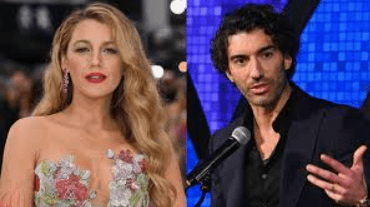
On February 11, 2026, Blake Lively and Justin Baldoni arrived at the U.S. District Courthouse in Manhattan for a court-ordered settlement conference. They arrived separately. Both sides spent six hours in separate rooms while Magistrate Judge Sarah L. Cave shuttled between the two legal teams. No deal emerged. A$AP Rocky’s arraignment sits at March 25. The Blake Lively trial lands May 18. Hollywood’s two most consequential legal proceedings of the year run on parallel tracks. The Lively-Baldoni case is the one with Taylor Swift, Ryan Reynolds, and Hugh Jackman on the witness list.
Judge Lewis Liman originally scheduled the trial for March 9, then moved it to May 18 after notifying both parties that criminal proceedings had priority that month. “As important as this trial is,” Liman said, “criminal trials take precedence.” He has not yet ruled on Baldoni’s motion for summary judgment, which would end the case before a jury ever sees it. Lively’s attorneys filed a letter on March 12 urging no dismissal — arguing the evidence from discovery warrants a full trial. If Liman denies the motion, both actors take the stand. If he grants it, only appeals remain.
The case that consumed more Hollywood oxygen than any legal dispute since Depp v. Heard sits 64 days from a verdict. Here is what the record shows, what the witnesses will say, and what both sides are actually fighting over.

Blake Lively Trial: What the Case Is Actually About
The origin is the production of It Ends With Us, the 2024 film adaptation of Colleen Hoover’s bestselling domestic violence novel. Baldoni directed and starred. Lively starred and produced. The film grossed $347 million worldwide — a genuine commercial success. The press tour was, by multiple accounts, strange. Fans noticed Baldoni’s absence from promotion. Lively’s social media throughout the tour struck many observers as tone-deaf against the film’s domestic violence subject matter. The public fracture appeared before either side filed a lawsuit.
In December 2024, Lively filed a complaint with the California Civil Rights Department. She alleged Baldoni sexually harassed her on set — inserting an unwanted sex scene without her consent, asking invasive questions about her sex life with Reynolds, and fostering sustained inappropriate conduct. She formalized the complaint into a federal lawsuit in New York on December 31, seeking nearly $500 million in damages. The suit also alleged that after she raised concerns, Baldoni and Wayfarer Studios hired crisis publicist Melissa Nathan to preemptively destroy her public image before she could speak. Lively calls this the smear campaign. Baldoni’s team calls it organic backlash she earned.
On January 16, 2025, Baldoni filed a $400 million countersuit against Lively, Reynolds, and publicist Leslie Sloane. The suit alleged extortion and defamation — claiming Lively seized creative control through threats, then orchestrated a coordinated media attack via the New York Times. Judge Liman threw out that countersuit in June 2025. Baldoni missed his October deadline to refile. His lawsuit is gone. Hers is not. That asymmetry defines the current state of play.
What the Unsealed Documents Already Show
On January 20, 2026 — two days before the summary judgment hearing — the court unsealed a substantial volume of discovery material. What emerged rewrote every public assumption about this case.
Taylor Swift texted Lively a profanity about Baldoni. Jenny Slate, Lively’s co-star, told deposing attorneys that Baldoni was “the biggest clown and the most intense narcissist” she had ever worked with. Colleen Hoover, whose novel inspired the film, provided communications supporting Lively’s account of set dynamics. Ryan Reynolds, Ben Affleck, and Hugh Jackman surfaced in documents and communications. A Sony Pictures EVP described Lively as a “f—ing terrorist” after learning she had issued a 17-point list of production demands under threat of quitting.
Sony Motion Pictures Group President Sanford Panitch sent colleagues an August 2024 email after the film crossed $300 million. He called her “epic level stupid” and predicted she would “probably never work again, or not for a while.”

The Signal Messages Nobody Can Read
Lively’s attorneys argued in filings that Baldoni’s team ran the Signal messaging app with auto-delete active. The setting erased those communications permanently. “The lost Signal communications create an evidentiary gap,” Lively’s attorney Sigrid McCawley told the summary judgment hearing. Baldoni’s attorneys denied any intentional deletion and denied the smear campaign existed.
Baldoni’s lawyer Jonathan Bach drew visible bench skepticism arguing Lively had agreed to “portray a steamy and turbulent romance at the heart of the film.” His implication: her actress role should factor into her harassment claims. Liman interrupted to confirm he was not suggesting acting constitutes consent to sexual harassment. Bach said no, but held his “context matters” position. The defense did not have its strongest afternoon.
The Sentiment Numbers That Tell the Whole Story
The starkest data point in the case comes from Parrot Analytics. Lively’s positive public sentiment stood at 81 percent in March 2023, shortly after her casting announcement. By January 31, 2026, it sat at 10.6 percent. Baldoni’s fell from 62.5 percent to 8.7 percent over the same window. Both are underwater. Lively had vastly further to fall. Her lawsuit argues the gap between 81 percent and 10.6 percent reflects, at least in part, a coordinated professional operation against her.
The Witness List: Taylor Swift, Ryan Reynolds, and Famous Friends Under Oath
Taylor Swift lands on the potential witness list. So does Ryan Reynolds. So does Hugh Jackman. Lively’s attorney McCawley has been deliberate about the framing: “Blake Lively has done everything she can to protect her friends from not being brought into this. It was the Baldoni parties who brought that evidence into this case.” That framing is legally and strategically accurate.
Baldoni’s legal team pursued Swift’s communications in discovery, arguing they shed light on the relationship dynamics and public strategy around the film. A judge granted limited access — communications about It Ends With Us specifically. Swift contributed a song to the soundtrack. She texted Lively about Baldoni. The court unsealed those texts. Now, involuntarily, she sits on the potential witness list for a federal sexual harassment trial.

The Reynolds Question
Reynolds carries the more consequential witness risk. His public communications about Baldoni during the controversy were pointed. Baldoni named him in the now-dismissed countersuit as a participant in alleged extortion and defamation. With that suit gone, Baldoni cannot compel Reynolds’ testimony the same way. But Lively’s attorneys may call him to establish the emotional and professional toll the alleged smear campaign inflicted on the household.
Whether Reynolds testifies or not, the trial’s narrative runs through the Reynolds marriage in ways neither side fully controls. The women who have navigated Hollywood’s power structure recognize what the Sony email represents. A studio executive watched an actress generate $300 million for his company and wrote, privately, that she was “epic level stupid” and finished. Since the controversy, Lively signed a Lionsgate deal for The Survivor List and has product launches coming for Betty Buzz and Blake Brown Beauty. If that Sony email reaches a jury, it defines this trial’s cultural stakes more than any legal argument will.

What Each Side Needs to Win — and What Settlement Still Looks Like
Lively needs three things to prevail: a judge who lets the case reach a jury, a jury that reads the smear campaign as real and coordinated rather than organic backlash, and documentary evidence tying Baldoni’s crisis PR team to specific negative coverage — evidence the auto-deleted Signal messages can no longer supply in full. Her attorneys argue the existing record is sufficient. The January summary judgment hearing backed that read: Liman showed clear skepticism toward Baldoni’s “context matters” defense.
Baldoni’s Narrowing Path
Baldoni’s defense needs summary judgment — end the case before a jury ever convenes — or, failing that, a Manhattan jury convinced that Lively’s harassment claims reframe a creative dispute as misconduct. His lawyers have labeled her allegations “minor grievances” and “trivial things and petty slights.” That framing faces a $500 million lawsuit, deleted Signal messages, and a documented 71-point sentiment collapse. The courtroom will decide what it’s worth.
Settlement remains live at any point. Negotiations typically run alongside trial preparation all the way to opening arguments. Both sides carry strong financial incentives: Lively avoids jury unpredictability and the public exposure of private communications involving her most famous friends. Baldoni avoids a trial where his own coordination messages — and the Signal evidence gap — play out in front of cameras.
The brand equity destruction in this case is the real cost for both — not the legal fees, which both parties can absorb, but a permanent public sentiment collapse no settlement agreement erases from the record.
The One Ruling That Changes Everything
Judge Liman’s summary judgment decision is the most important single document of the pre-trial period. Grant it fully and the trial ends before it starts. Deny it and both actors sit in a Manhattan federal courtroom in 64 days. The reputational and financial stakes for both careers are substantial. The trial date is May 18. Everything between now and then is a countdown.
Related: It Girls of the Early 2000s: Where They Are Now and What They Built | Supermodel Empire Builders: How the $1.3 Billion Blueprint Actually Works
Want your brand featured alongside stories like this? Contact Social Life Magazine about partnerships and editorial opportunities. Join us this summer at Polo Hamptons — where New York’s power players meet in person. Subscribe to the print edition or join our email list for Hamptons insider access delivered first. And if this story moved you, support independent luxury journalism for $5.
Author

Written by
Recent Posts

Inside the Art Collections Hidden Behind Hamptons Estate Gates

Next Holidays Makes Holiday Booking Faster, Easier, and More Convenient

The Fertility Pioneer: Inside Dr. David Smotrich’s Mission to Build Families
Beat the Summer Heat Safely: 5 Practical Styling Hacks for Boat Trips and Lake Days
First Date Outfit Ideas: Flattering and Budget-Friendly Dresses to Wear Tonight
Categories
- Art
- Articles
- Business of Luxury
- Celebrities
- Entertainment
- Events
- Faces of Summer 2026
- Fashion
- Fashion & Style
- Featured
- Finance
- Food, Spirits, Wine
- Hamptons
- Hamptons Celebrities
- Health
- Health & Beauty
- Lifestyle
- Luxury Lifestyle
- Press
- Profiles
- Real Estate
- Technology
- The Chronicles
- Travel
- Uncategorized
- Weddings