
The branded giveaway is a longtime staple of corporate life, a logoed tote bag here, a plastic lanyard there, the pen that stops working by the time you return home. Laurens: For years, event merchandise had been thought of like a budget afterthought, with cost-per-unit calculations followed by the stuff gathering dust long before the conference came to an end. That era is over.
What’s more, there is a meaningful transition underway in the way businesses consider branded merchandise, spurred by increasing consumer expectations, ESG accountability frameworks, and a burgeoning acknowledgement that what a brand gives away at an event expresses something about who that brand really is. In 2025, consumers in the U.S. who reported purchasing a sustainable product in the past month reached 49% (versus 43% in 2024) — and that same expectation has followed guests through the door of every corporate gala, trade show and charity fundraiser they’ve attended.
Why the Standard Has Changed
The move to sustainable event merchandise is not an idealistic one, it is supported by concrete data on consumer behavior and brand success. According to a 2024 PwC survey, 80% of consumers are willing to pay more for sustainable products, and embedding sustainability into the strategy is building authentic connections between brands and their audience, ensuring that they aren’t just looked at but actually felt.
In a 2024 survey of the industry, it was also revealed that 78% of businesses are planning to invest more in eco-friendly merchandise, again citing consumer demand and environmental goals as the driving forces. For those specific audiences, particularly luxury and corporate event ones, the Hamptons philanthropists, the Manhattan CEOs, the sustainability-minded donors who arrive at charity galas in gowns made from recycled drink containers, sustainable merchandise is not a feel-good bonus. That is a baseline expectation, a measure of whether an event host’s values are personal or decorative.
The practical case is just as strong. Sustainable promo products are retained twice as long on average than single-use swag, which means they yield more brand impressions over time, not less. Moving from disposable giveaways to durable, well-considered merchandise isn’t a sacrifice in marketing power. It is an upgrade.
The Materials Redefining Event Merchandise
To grasp what makes merchandise truly sustainable, you need to know which materials are leading the shift, and why each one matters.
Currently, the most widely used sustainable material for event merchandise is recycled PET (rPET). And rPET also reduces carbon emissions by 70% and uses between 30-50% less energy than virgin polyester, while maintaining the same durability and printability that event organizers need. It is increasingly being used to produce everything from lanyards and tote bags to wristbands and other wearable accessories as it gives post-consumer plastic waste a new lease on life, creating branded goods that attendees want to keep.
For clothing-based merchandise and soft accessories, organic cotton provides a clean natural alternative. It is cultivated without synthetic pesticides or fertilizers, so a clear sustainability signal for branded apparel is coming through loud and clear, easy to communicate and simple for guests to comprehend. For high-end events where texture and quality are part of the experience of their brand, organic cotton provides an aesthetic warmth that synthetic alternatives cannot reproduce.
Bamboo holds a unique place in discussions around sustainable materials, and that’s as the luxury option. Bamboo is a renewable and sustainable material, as it grows rapidly, requires little resources and produces what tends to be a clearly high-end finish. Bamboo accessories, desk items and wearable accouterments confer a visual and tactile quality that convey a real investment in the guest experience — not just checking off a sustainability box.
The picture is completed by sublimation printing on sustainable fabrics. The key to achieving vibrant prints on recycled or virgin polyester lies with dye-sublimation technology, which bonds ink directly into the fabric at a molecular level rPET or recycled polyester + dye sublimation = brilliant, hard-wearing branding that creates no chemical waste and easily causes plastic discharge.ImageCaptionA complete solution: no compromise on visuals. Having both sustainable credentials and faultless branding, sublimation on eco-friendly base fabrics is now the gold standard for event organizers.
The Event Identification Opportunity
With regards to corporate event merchandise categories, none connect more people than identification accessories. Literally everyone who attends, works the event or those VIP guests and speakers need a lanyard (or badge) during the duration of the event — that means it’s the single most impactful sustainability statement an organizer can make.
This is exactly where it matters most: the choice of materials. An event that gives each attendee a sublimation-printed lanyard made from rPET fabric is not simply making responsible choices — it is telling that story to every individual in the room, visibly, for hours. The physical material itself is part of the brand experience, and its sustainability carries into that experience.
For event organizers, custom lanyards and badges mean effective and speedy identification of people at the event venue, which greatly cuts down on chaos and ensures a smoother flow of an event — all while layering functional benefits atop environmentally sustainable-produced materials. Suppliers such as 4inlanyards, which provides sublimation-printed lanyards on rPET fabric, plus custom event badges, cloth wristbands and badge reels for corporate events and conferences of all sizes — illustrate just how quickly sustainable materials have shifted from a specialty request to an industry-standard inclusion in the event identification category.
What Event Planners Should Ask
“All ‘eco-friendly’ claims are not created equal, and a socially attuned readership like that of Social Life Magazine will apply an appropriate level of skepticism to vague sustainability language. When sourcing sustainably, it all comes down to what you’re asking for as evidence: organic cotton certification for clothing, recycled content verification for rPET and reputable sourcing information on bamboo, because vague terms like “eco-friendly” without further detail are the domain of greenwashing.
And here are concrete questions worth asking each supplier: What certifications do they have, GOTS for organic cotton, GRS for rPET, FSC for bamboo and paper? What type of printing process is used, and does it reduce chemical waste? What happens to the product’s packaging, is there an end-of-life pathway for it such as recycling, composting or reuse after the event? Is the packaging itself plastic-free?
And partner with vendors that work with non-toxic inks and ethical labor practices, so everything aligns with your green goals. The consistency between an event’s declared values and the material reality of everything it puts out is not just a detail, it represents the credibility behind the entire brand statement.
The Branded Touchpoint as a Statement of Values
Every detail speaks intention for the event hosts and corporate organizers who read Social Life Magazine. A charity gala that raises funds for ocean conservation and distributes plastic-wrapped, single-use lanyards creates a contradiction that cosmopolitan guests pick up on right away. Like one that welcomes attendees with rPET-based, sublimation-printed identification accessories and bamboo accompaniments, all housed in recycled paper packaging that substantiates the validity behind its commitment through every point of contact.
Merchandise for events that are made sustainably should not be trendy. It is a standard to aspire to, and for those of the audience that attends, or organizes, the events this magazine covers, that standard already exists.
Author

Written by
Recent Posts
What Goes Into Planning a Professional Furnace Installation?
Why Sports Card Collecting Is More Than Just a Hobby
From Signature Scents to Scent Wardrobes: The Evolution of Personal Fragrance
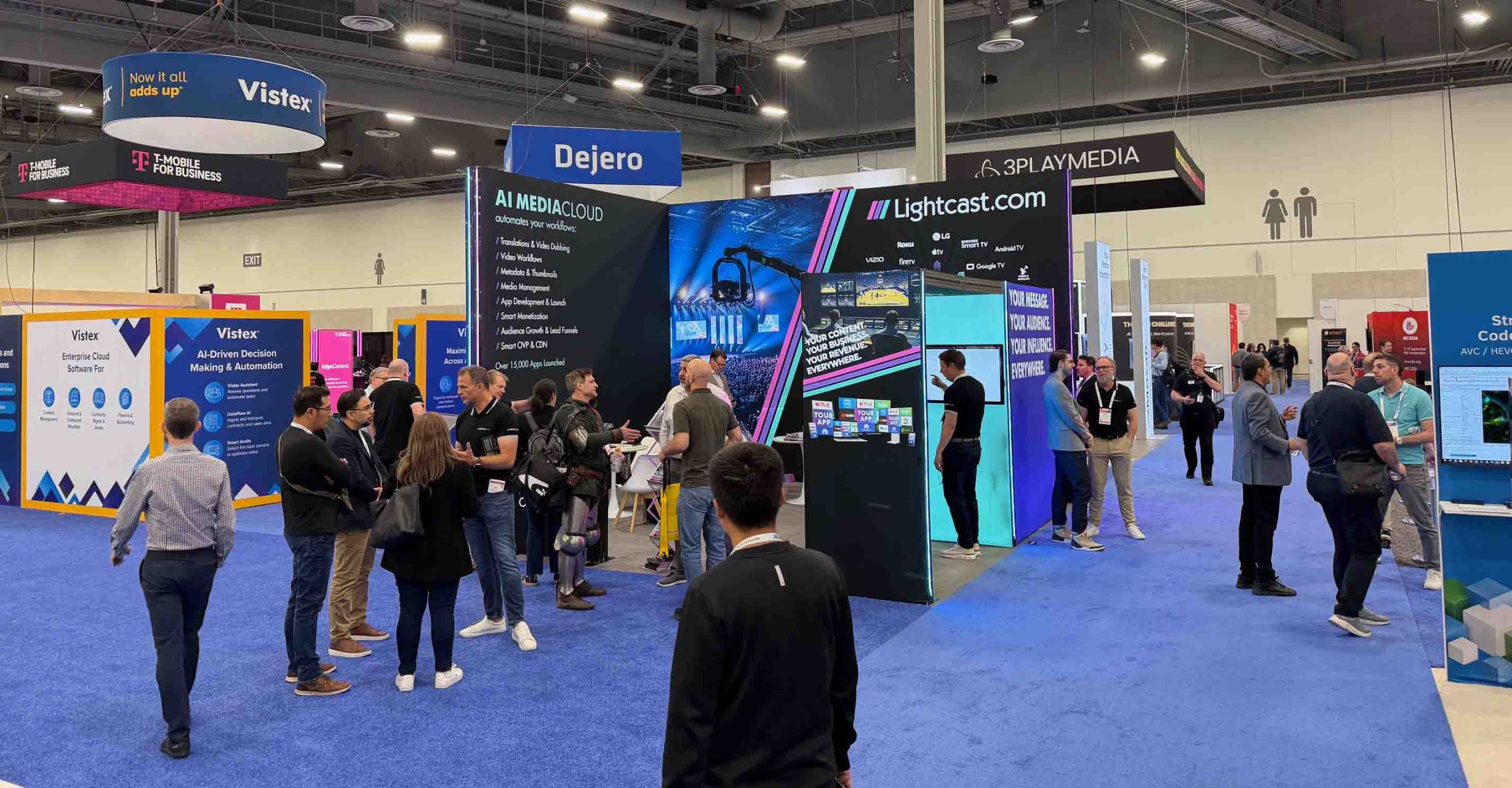
Beyond the Booth: How Exhibition Design Is Creating New Brand Experiences

Trading the Hamptons for Hvar: A Summer on Croatia’s Most Glamorous Island
Categories
- Art
- Articles
- Business of Luxury
- Celebrities
- Culture
- Entertainment
- Events
- Faces of Summer 2026
- Fashion
- Fashion & Style
- Featured
- Finance
- Food, Spirits, Wine
- Hamptons
- Hamptons Celebrities
- Health
- Health & Beauty
- Lifestyle
- Luxury Lifestyle
- Press
- Profiles
- Real Estate
- Technology
- The Chronicles
- Travel
- Uncategorized
- Weddings