
Washing dishes seems like a simple daily chore until you have to deal with messy, greasy pans. Most people just rinse everything down the drain without thinking about the long-term effects on their home plumbing.
Leftover cooking oils can cause a massive, stubborn mess in your kitchen pipes. Learning how to handle these substances correctly keeps your plumbing running smoothly and prevents expensive repairs for a long time.
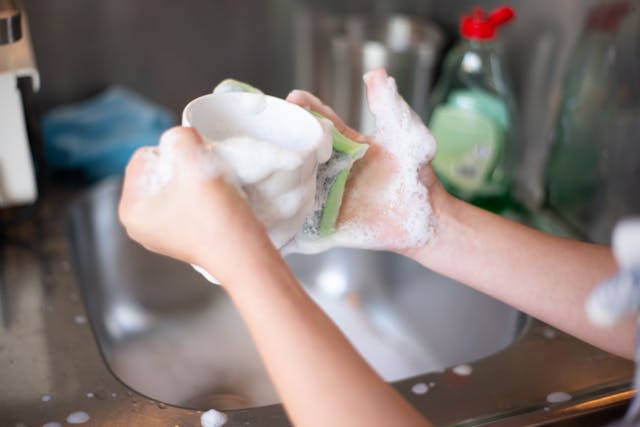
Scrape Your Plates Carefully
Scrape all the leftovers into the trash before you start the water. It prevents heavy debris from clogging your pipes and causing a slow drain that disrupts your routine. You can use a paper towel to get the thickest layers off the surface.
Bad habits lead to serious plumbing issues that require professional help to fix. Many people consider flushing grease or oil down the toilet as a quick way to get rid of kitchen waste. You should keep all fats and oils out of the bathroom and kitchen drains at all times.
Use a rubber spatula to get every bit of oil out of the pan before it hits the sink. Taking a small step saves you a lot of trouble and money on plumbing services later on. It only takes a few seconds, but it protects your home.
The Problem With Hot Water
Hot water is a common tool for cleaning oily surfaces in the kitchen. You might think it washes the grease away for good, so it never returns to haunt your pipes. Some people turn the tap to the highest heat possible to solve the problem.
An informational guide explained that water over 140 degrees might melt grease temporarily. The grease eventually cools down and turns back into a solid mass as it moves through the pipes, further away from the house.
Once the grease hardens, it sticks to the walls of the pipes like thick glue. This creates a sticky trap for other food particles that pass through the system throughout the day. It narrows the path for water to flow freely.
Why Liquid Oils Are Risky
It is a common mistake to think liquid oil is safe for the kitchen sink. Even thin vegetable oils can build up inside the plumbing lines and narrow the flow of water.
A city utility report warned that putting any type of cooking fat or poultry grease into a sink can lead to massive backups. Overflows are often messy to clean and quite expensive for homeowners to repair on short notice. It is a risk that is not worth taking.
It is much better to store old oil in a glass jar or a metal can. You can throw the container in the trash once it is full and the oil has turned cold.
Protecting The Main Sewer Lines
Sewer systems handle wastewater for the entire neighborhood. Clogs in the main lines affect every house on your street. Your daily habits keep the water moving for everyone in the area.
A research paper found that 30 to 40% of sewer clogs come from grease deposits. Fats mix with trash to create massive blockages, often called fatbergs. City crews spend a lot of money removing these heavy masses.
Big clogs cause raw sewage to back up into local yards and gardens. Keeping oil out of the pipes protects the health of the entire neighborhood. Tiny actions at home prevent expensive community disasters today.
Maintain Clean Drains Regularly
Keeping a few tools by the sink makes grease management a lot easier. It helps you stay consistent with your cleaning habits every single day of the week. You will find that it becomes a natural part of your routine.
Try some simple steps to keep your drains clear:
- Wipe pans with a paper towel before washing.
- Use a drain strainer to catch small food bits.
- Freeze large amounts of grease in a container.
- Put cooled oils into a sealed jar for disposal.
Small changes make a big difference in your plumbing health over the coming years. You will notice fewer slow drains and unpleasant smells coming from your kitchen sink area. Your pipes will thank you for the extra care.
The Role Of Dish Soap
Dish soap is designed to break down oil on your plates and pans. It works well for surface cleaning during the normal washing process, but it is not a magic fix for everything. Soap acts as a bridge between oil and water.
Soap does not make the grease disappear when it goes down the drain. It carries the broken-down oil a short distance before the oil separates again in the cooler pipes. The oil then coats the interior of the plumbing.
You still need to minimize the amount of oil that touches the water. Use as little soap as necessary to get the job done without overdoing it or wasting your supplies. Focus on removing the oil before you start scrubbing.
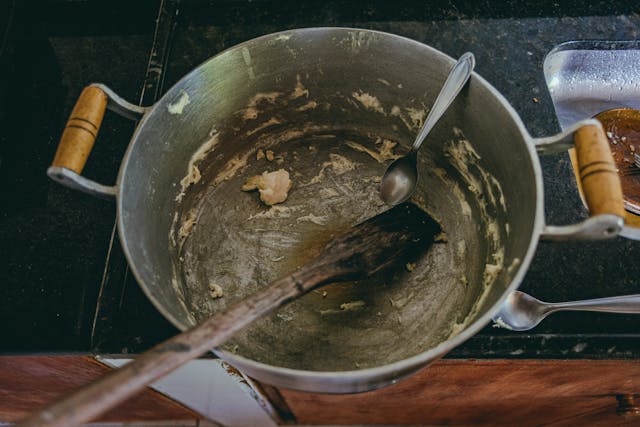
Proper dishwashing habits protect your home and your wallet from unexpected plumbing bills. It only takes a few extra seconds to handle grease the right way every time you cook.
Your pipes will stay clear and functional for years to come with simple methods. Start making changes today for a much better and cleaner kitchen experience.
Author

Written by
Recent Posts
What Goes Into Planning a Professional Furnace Installation?
Why Sports Card Collecting Is More Than Just a Hobby
From Signature Scents to Scent Wardrobes: The Evolution of Personal Fragrance

Beyond the Booth: How Exhibition Design Is Creating New Brand Experiences

Trading the Hamptons for Hvar: A Summer on Croatia’s Most Glamorous Island
Categories
- Art
- Articles
- Business of Luxury
- Celebrities
- Culture
- Entertainment
- Events
- Faces of Summer 2026
- Fashion
- Fashion & Style
- Featured
- Finance
- Food, Spirits, Wine
- Hamptons
- Hamptons Celebrities
- Health
- Health & Beauty
- Lifestyle
- Luxury Lifestyle
- Press
- Profiles
- Real Estate
- Technology
- The Chronicles
- Travel
- Uncategorized
- Weddings