
The Before
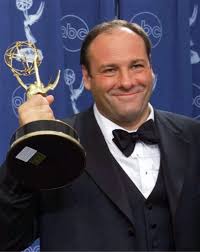
James Gandolfini net worth traces back to Westwood, New Jersey, where he arrived in 1961 as the son of a bricklayer father and a school cafeteria worker mother. Both parents were of Italian descent. The father was a Purple Heart recipient from World War II. The family spoke Italian at home. Nothing about this biography suggests that the boy who was voted “Class Flirt” at Park Ridge High School would become the most important television actor of his generation.
After graduating from Rutgers with a communications degree in 1983, he moved to New York and worked as a bartender, bouncer, and nightclub manager. Acting arrived late. He studied the Meisner technique for two years. His first professional role came on Broadway in a 1992 production of On the Waterfront. He was thirty-one. Most actors who start that late never catch up. Gandolfini was not most actors.
The Pivot Moment
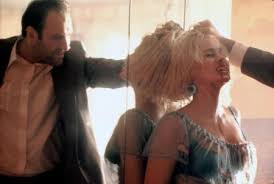
True Romance in 1993 changed the trajectory. Quentin Tarantino cast him as a hitman. The performance was so physically menacing and emotionally complex that Hollywood immediately understood it had found someone new. However, the film industry did not yet understand the full scope of what Gandolfini could do. Get Shorty and Crimson Tide followed, building a career as a character actor whose physical presence communicated danger without requiring dialogue.
The Sopranos Audition
David Chase cast Gandolfini as Tony Soprano after seeing his work in True Romance and a film called The Mighty. The audition process was extensive. Chase needed someone who could make a murderer sympathetic. Notably, it is the most difficult assignment in dramatic acting because sympathy requires vulnerability and murder requires its absence. Gandolfini could do both simultaneously. That duality is worth $70 million because no one else could replicate it.
The Climb
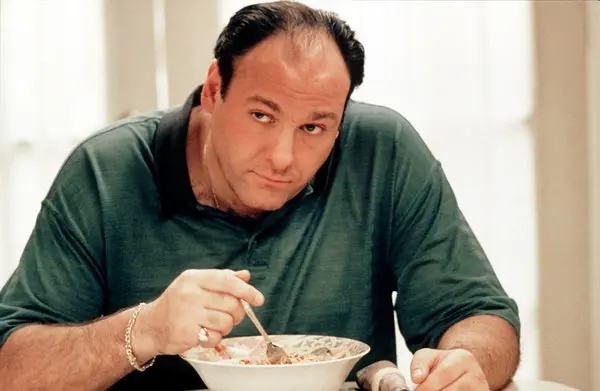
The Sopranos salary trajectory mirrors the show’s cultural ascent. First two seasons: approximately $2.5 million per season total. Season three: $400,000 per episode. Season four: $800,000 per episode after a contentious renegotiation that briefly stalled production. Final season: $1 million per episode across twenty-one episodes. Total Sopranos income: approximately $50 million over eight years.
Between seasons, Gandolfini added film income. The Mexican with Brad Pitt reportedly paid $2 million. Romance and Cigarettes, The Taking of Pelham 123, and Zero Dark Thirty kept him working at premium rates. His production company generated documentary income from projects about veterans and war, subjects that connected to his father’s military service and his own social conscience.
The Real Estate Portfolio
His Manhattan apartment in the West Village was purchased for approximately $2.1 million. After his death, it listed for $7.5 million. His New Jersey estate in Tewksbury Township, purchased for $1.5 million in 2009, featured the kind of rural acreage that North Caldwell’s Tony Soprano would have appreciated. Consequently, the real estate appreciation alone added millions to an estate that was already substantial from entertainment income.
What He Built
James Gandolfini net worth at $70 million represents the financial output of the greatest television performance ever delivered. Three Emmys. One Golden Globe. A SAG Award. A Screen Actors Guild ensemble award. The awards quantify the critical consensus. The $70 million quantifies the commercial value of that consensus.
The Soft Landing
There was no soft landing. Gandolfini died of a heart attack in Rome on June 19, 2013, at age fifty-one. He was vacationing with his family before attending a film festival in Sicily. His son Michael, then thirteen, found him unconscious on the bathroom floor of their hotel room.
The Estate Catastrophe
His will, signed six months before his death, became a case study in what not to do with a $70 million estate. He left 80% of assets to his sisters and infant daughter, bypassing the unlimited marital deduction that would have sheltered the money from estate taxes. As a result, approximately $30 million went to the IRS. Estate lawyers called it a catastrophe. The man who played television’s most financially savvy crime boss left behind a will that cost his family $30 million in avoidable taxes.
The Deeper Layer
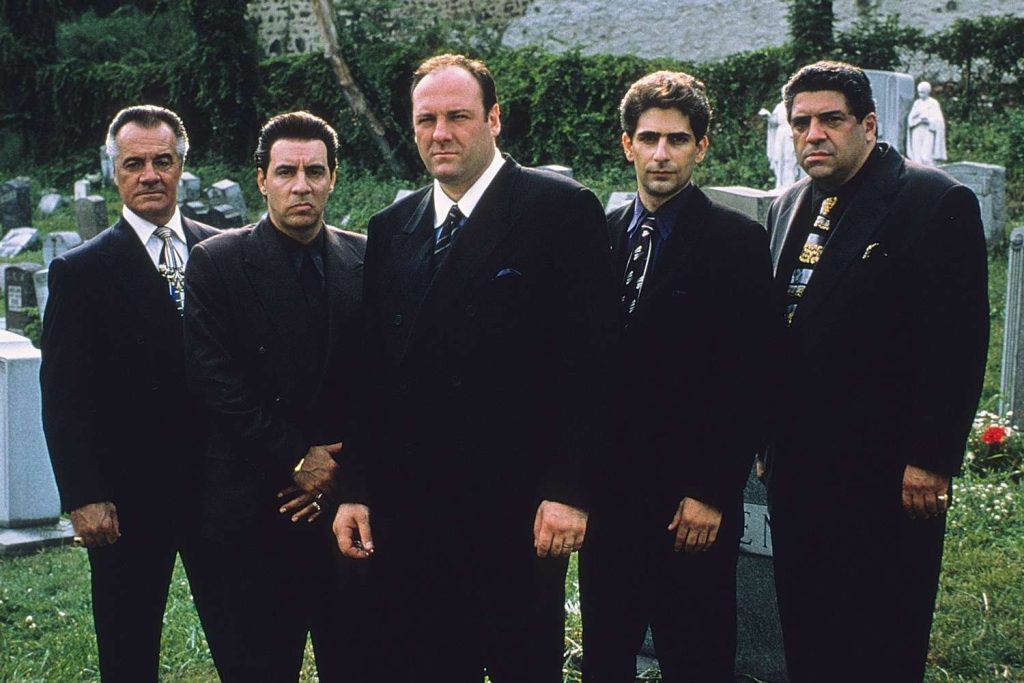
For the Hamptons audience, the lesson is direct. Gandolfini earned $70 million and lost nearly half to poor planning. Every family office on the East End has used his example. Every wealth advisor and estate attorney points to it. Neglect the structures that protect substantial wealth and the IRS becomes your biggest beneficiary. Tony Soprano would never have made that mistake. James Gandolfini, tragically, did.
Read more about the full cast in our Sopranos Cast Net Worth hub, or explore the Prestige TV Antihero Cast Net Worth pillar.
The Real Returns
The Gandolfini career also illustrates a principle about compensation timing that applies to every actor in this pillar. His total Sopranos income of $50 million arrived over eight years, averaging roughly $6 million per year. That annual rate, while extraordinary by most standards, is modest compared to what A-list film actors earn per project. However, the consistency of television income, arriving every year rather than sporadically between film projects, generates more total wealth because it allows for continuous investment and compound growth. Gandolfini’s real estate appreciation demonstrates this: properties purchased with steady television income had years to appreciate, generating returns that a single film payday, no matter how large, cannot replicate.
The Financial Architecture
Personal life reflected the tensions that the character he played examined professionally. A difficult first marriage. A second marriage that seemed to bring stability. Two children from two relationships. Substance abuse issues that he discussed with characteristic honesty. In other words, the man who played a character struggling with his inner demons was himself struggling with demons that bore an uncomfortable resemblance to the character’s. That parallelism is what made the performance feel authentic. It is also what makes the early death feel inevitable in retrospect. Notably, it is a terrible thing to say about a human being and a honest thing to say about the costs of the kind of emotional labor that great acting demands.
The Legacy Premium
Furthermore, his philanthropy and documentary work reveal a dimension that the Tony Soprano association often obscures. His documentaries about veterans, Alive Day Memories and Wartorn, demonstrated a commitment to military service members that connected to his father’s World War II Purple Heart. The man who played a crime boss spent his off-screen hours advocating for soldiers. That contrast is not ironic. It is the whole point: the gap between who we play and who we are is the space where both art and net worth are created.
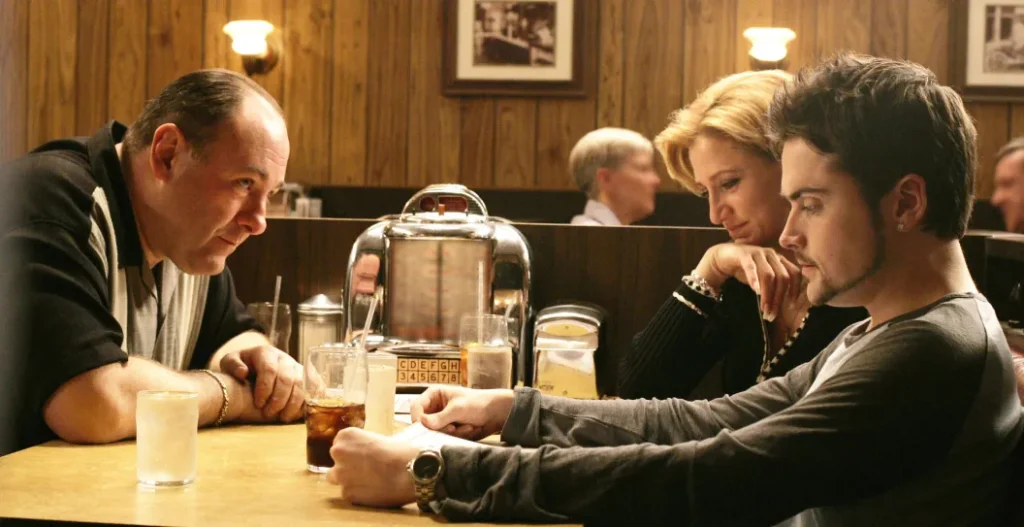
The Gandolfini salary negotiations also reveal something about the power dynamics of premium television that applies to every actor in this pillar. Before season four, Gandolfini held out for a substantial raise, briefly stalling production and generating industry headlines. HBO ultimately agreed to $800,000 per episode because the alternative, losing Tony Soprano, was unthinkable. That negotiation established a precedent. The lead of a hit prestige drama holds leverage no network executive can overcome. Bryan Cranston and Jon Hamm would exploit that same precedent in their own negotiations. In other words, Gandolfini did not just earn $800,000 per episode. He established the market rate for irreplaceable television talent. every actor who followed him through that door owes a percentage of their salary to his willingness to walk away from the table.
You Already Understand
This is something most people scroll right past. The intersection of culture, money, and taste is not a Venn diagram. It is a mirror. Social Life Magazine has spent 23 years holding that mirror up to the people who shape the Hamptons, Manhattan, and the corridors between them. If you see yourself in these pages, we should talk. Reach out at sociallifemagazine.com/contact.
If your brand, your launch, or your personal story belongs in front of 82,000 affluent readers and a digital audience that keeps growing, our editorial features are built for exactly that moment. Learn more at Submit a Paid Feature.
Our email list reaches 82,000 subscribers who actually open, read, and act. If your audience is high-net-worth, culturally engaged, and based between Park Avenue and Montauk, you are already in the right place. Join the list.
Polo Hamptons returns to Bridgehampton this July with 1,200 guests, Getty Images coverage, and seven years of BMW title sponsorship behind it. If your brand belongs in that conversation, visit polohamptons.com.
Author

Written by
Recent Posts
What Goes Into Planning a Professional Furnace Installation?
Why Sports Card Collecting Is More Than Just a Hobby
From Signature Scents to Scent Wardrobes: The Evolution of Personal Fragrance

Beyond the Booth: How Exhibition Design Is Creating New Brand Experiences
Trading the Hamptons for Hvar: A Summer on Croatia’s Most Glamorous Island
Categories
- Art
- Articles
- Business of Luxury
- Celebrities
- Culture
- Entertainment
- Events
- Faces of Summer 2026
- Fashion
- Fashion & Style
- Featured
- Finance
- Food, Spirits, Wine
- Hamptons
- Hamptons Celebrities
- Health
- Health & Beauty
- Lifestyle
- Luxury Lifestyle
- Press
- Profiles
- Real Estate
- Technology
- The Chronicles
- Travel
- Uncategorized
- Weddings