
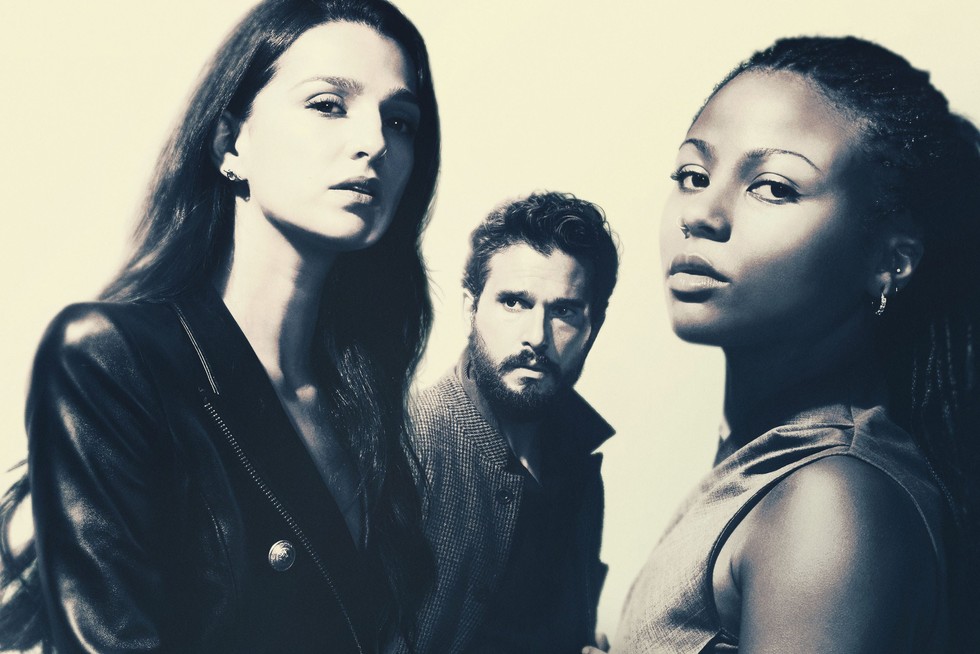
The Industry HBO ratings story is one of the most improbable growth trajectories in television history. The show premiered on November 9, 2020, on a Monday night, during a pandemic, behind bigger HBO titles. Nobody watched. Four seasons later, it averages 1.7 million viewers per episode, holds a 96% on Rotten Tomatoes, and was renewed for a fifth and final season on the creators’ terms. The journey from invisible to indispensable took four years and required HBO to do something networks rarely do: be patient.
Season 1: The Monday Night Nobody

Industry HBO ratings for Season 1 were negligible. The show premiered at 10 PM on Monday nights — a time slot that signaled HBO viewed it as a development project rather than a tentpole. The pandemic eliminated the premiere events and press tours that typically launch new shows. Lena Dunham’s name as pilot director drew some attention, but the unknown cast and impenetrable financial jargon deterred casual viewers.
The Rotten Tomatoes score settled at 76% — respectable but not the kind of number that generates viral buzz. Critics who reviewed the show praised the trading floor set design and the performances but questioned whether the show could sustain audience interest when few viewers understood what the characters were actually doing at their desks. HBO renewed it anyway.
Season 2: The Critical Turn
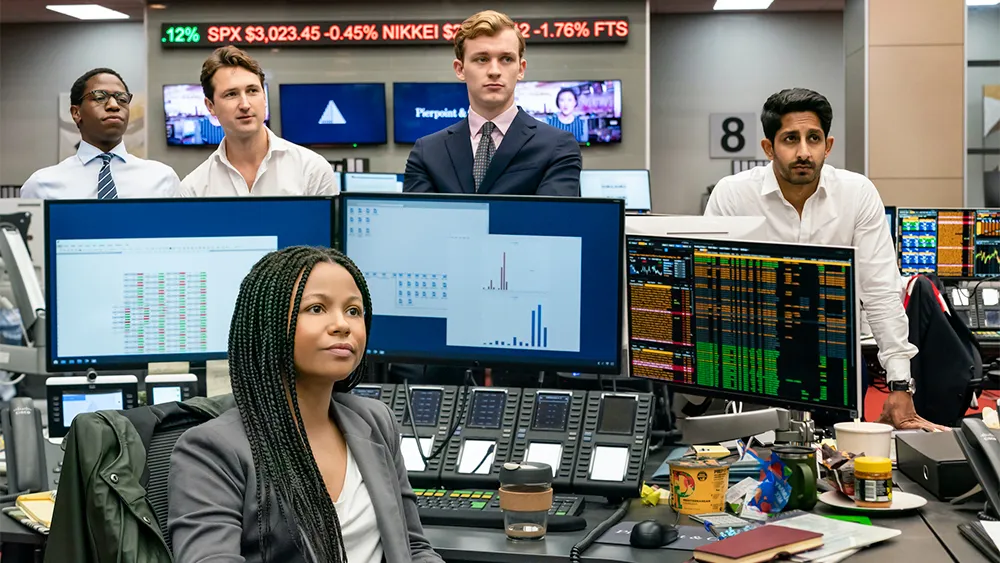
Season 2 aired in August 2022 on the same Monday night slot. The Industry HBO ratings improved modestly, with viewership averaging 1.2 million across all platforms. More importantly, the critical reception transformed. Rotten Tomatoes jumped to 96%. The Season 2 finale — Eric’s betrayal of Harper — generated the kind of social media conversation that signals a show has found its audience, even if that audience is relatively small.
The show earned its first Screen Actors Guild nomination for ensemble cast. Word of mouth began working. Finance professionals started watching and posting about the show’s accuracy on Twitter and LinkedIn. The combination of critical acclaim and niche cultural relevance convinced HBO to invest more heavily in the next season.
Season 3: The Sunday Night Breakthrough

HBO moved Industry to Sunday nights at 9 PM for Season 3 — the prestige slot previously occupied by Succession, Game of Thrones, and The Sopranos. The time slot change was a declaration of confidence. The network paired it with Kit Harington and Sarah Goldberg to raise the show’s profile.
The Industry HBO ratings responded. Viewership surged 40% over Season 2. Rotten Tomatoes gave Season 3 a 98% — the show’s highest score. Metacritic registered an 86. Marisa Abela won the BAFTA for Best Actress. The show moved from “hidden gem” to “must-watch” status in the span of eight episodes. The combination of the Sunday slot, the GoT star power, and the creative confidence of the writers produced a season that critics compared favorably to Succession.
Season 4: The Summit

Season 4 premiered January 11, 2026. The Industry HBO ratings reached their peak: 1.7 million viewers per episode. The Season 4 premiere drew over 800,000 viewers in its initial airing — impressive for a show that once struggled to crack six figures. Across all platforms (linear, streaming, DVR), the audience had grown roughly 1700% from Season 1’s depths.
Rotten Tomatoes scored Season 4 at 96%. Metacritic gave it an 88 — the highest of any season. The cast expanded to include Max Minghella, Toheeb Jimoh, Charlie Heaton, Kiernan Shipka, and Kal Penn. The show ranked fourth globally on HBO Max during its run, behind only A Knight of the Seven Kingdoms, The Pitt, and Heated Rivalry.
The Three-Year Deal
In October 2024, Down and Kay signed a new three-year overall exclusive deal with HBO beginning January 2025. The deal guaranteed their employment through at least 2027 and signaled HBO’s long-term investment in their creative partnership. On February 25, 2026, HBO renewed Industry for a fifth and final season. The renewal was the creators’ choice, not the network’s demand.
The Bad Wolf Production Model
Industry is produced by Bad Wolf, the Welsh production company co-founded by former BBC fiction head Jane Tranter. All four seasons have been filmed at Bad Wolf’s Wolf Studios Wales in Cardiff. The production model — filming entirely in Wales while setting the show in London — keeps costs lower than a London-based production while maintaining the creative control that Down and Kay demand.
The BBC co-production arrangement provides additional funding and guarantees UK broadcast rights. The dual HBO-BBC structure means Industry receives investment from both sides of the Atlantic, reducing the financial risk for either network. The model has been cited as a template for future UK-US co-productions in the streaming era.
The Revenue Picture
Exact revenue figures for Industry are not publicly available. However, several indicators suggest the show’s financial performance has improved dramatically. The Industry HBO ratings growth translates directly into advertising revenue for linear broadcasts and subscriber value for Max streaming. International distribution through the BBC co-production generates separate revenue. The show’s presence on “best of” lists and its Rotten Tomatoes scores contribute to HBO Max’s subscriber acquisition and retention metrics.
The most telling financial indicator is the overall deal. HBO doesn’t sign three-year exclusive deals with showrunners whose shows lose money. Down and Kay’s deal reflects their value to the network — not just for Industry, but for whatever they create next.
Why the Growth Matters
The Industry HBO ratings trajectory matters for the television industry because it demonstrates that patience can work. Most networks cancel shows that debut with negligible ratings. HBO kept Industry alive for three seasons before it found its audience. The patience required a level of institutional confidence that most networks — facing quarterly earnings pressure and streaming competition — simply don’t have.
For aspiring showrunners, Industry’s growth offers a template: write what you know, hire actors nobody’s heard of, build a world so specific that it becomes universal, and trust that the audience will arrive if the work is good enough. Down and Kay were failed bankers who made a show about failed bankers. Four years later, they hold one of the most valuable creative relationships in premium television. The Industry HBO ratings tell a story about the show. They also tell a story about what happens when a network bets on talent and refuses to fold.
Related Articles
Industry HBO: The Complete Guide to TV’s Most Dangerous Finance Drama
Industry Seasons Ranked: Every Season From Worst to Best
Mickey Down and Konrad Kay: How Two Failed Bankers Built HBO’s Best Drama
Industry Season 5: Everything We Know About the Final Season
Industry vs Succession: Which HBO Finance Drama Wins?
Stay Connected
The Industry HBO ratings story proves that patience compounds. Social Life Magazine understands compounding. Twenty-three years of building an audience that keeps coming back.
Feature your brand — sociallifemagazine.com/contact. Digital placement from $975 via Submit A Paid Feature. Join 82,000+ readers at sociallifemagazine.com. Polo Hamptons July 18 and 25, 2026. Subscriptions at sociallifemagazine.com/subscription.
Support independent publishing: donate here.
Author

Written by
Recent Posts
What Goes Into Planning a Professional Furnace Installation?
Why Sports Card Collecting Is More Than Just a Hobby
From Signature Scents to Scent Wardrobes: The Evolution of Personal Fragrance

Beyond the Booth: How Exhibition Design Is Creating New Brand Experiences

Trading the Hamptons for Hvar: A Summer on Croatia’s Most Glamorous Island
Categories
- Art
- Articles
- Business of Luxury
- Celebrities
- Culture
- Entertainment
- Events
- Faces of Summer 2026
- Fashion
- Fashion & Style
- Featured
- Finance
- Food, Spirits, Wine
- Hamptons
- Hamptons Celebrities
- Health
- Health & Beauty
- Lifestyle
- Luxury Lifestyle
- Press
- Profiles
- Real Estate
- Technology
- The Chronicles
- Travel
- Uncategorized
- Weddings