
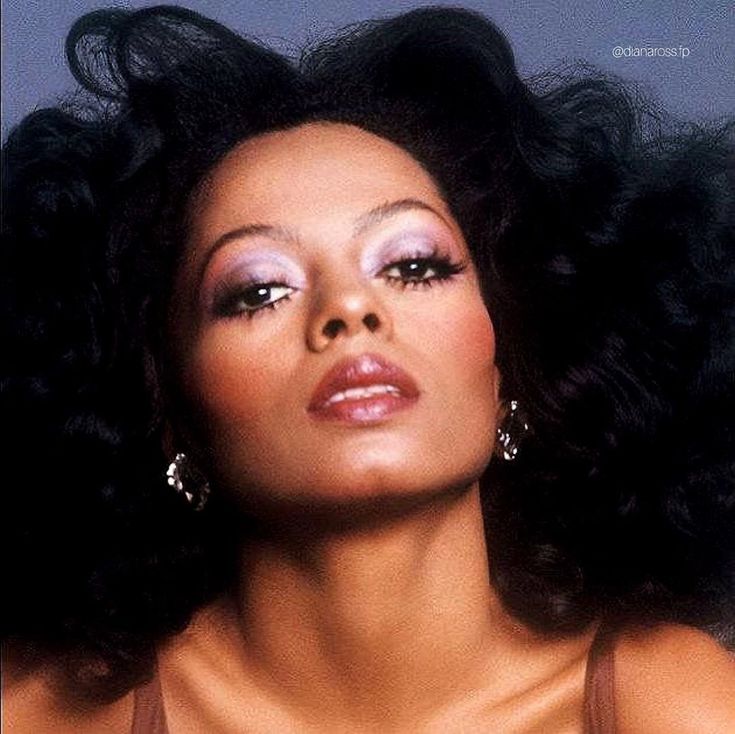
In July 1983, Diana Ross walked onstage at Central Park in the middle of a thunderstorm. The audience was eight hundred thousand people. Lightning struck near the stage during her second song. Rain collapsed the sound system. She kept singing. When the show was finally called, she announced from the stage that she would return the next day. She would do it again, free, for anyone who made it back. Approximately four hundred thousand people did.
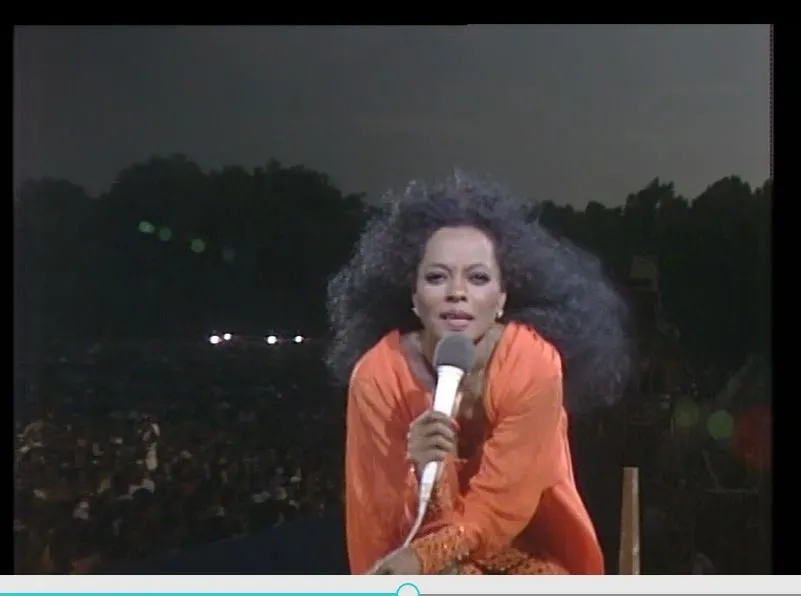
That is one afternoon in one decade of a career that spans six. The Diana Ross net worth figure of $250 million captures the numerical result. It does not capture the structural thing underneath, which is more interesting than the number. Ross is the only recording artist in history with a number-one single in three chart configurations. As a solo artist, as a member of a duet, and as a member of a trio. Furthermore, she sang on 18 number-one US singles across her career.
The Diana Ross net worth architecture is a case study in something specific. A Black woman from the Brewster-Douglass Housing Projects in Detroit converted a 1960s Motown paycheck into six decades of ownership. She did it across three mediums simultaneously. Music, film, and brand. None of her peers from the Motown era executed all three.
The Before: Detroit, the Projects, and Cass Tech
Diana Ernestine Earle Ross was born in Detroit on March 26, 1944. Her father Fred worked as a factory laborer. Her mother Ernestine raised six children in the Brewster-Douglass Housing Projects. Those Projects were among the first federally funded housing complexes for Black families in America. Florence Ballard, future Supreme, lived in the same building. Mary Wilson, also future Supreme, lived two blocks away.
Ross attended Cass Technical High School on Detroit’s west side. Cass Tech was one of the most academically selective public schools in America. Students competed for admission across the city. Ross studied fashion design and tailoring. She wanted to be a designer. Music was a secondary interest.
That fact matters for the Diana Ross net worth trajectory. She arrived at Motown in 1961 already trained in visual presentation. The wig work, the gown architecture, the stage wardrobe of the Supremes through the 1960s were not accidents. Motown’s charm-school training played a role. However, the sharper edge came from a designer’s eye that was already formed.
The Pivot Moment: The Primettes Become the Supremes
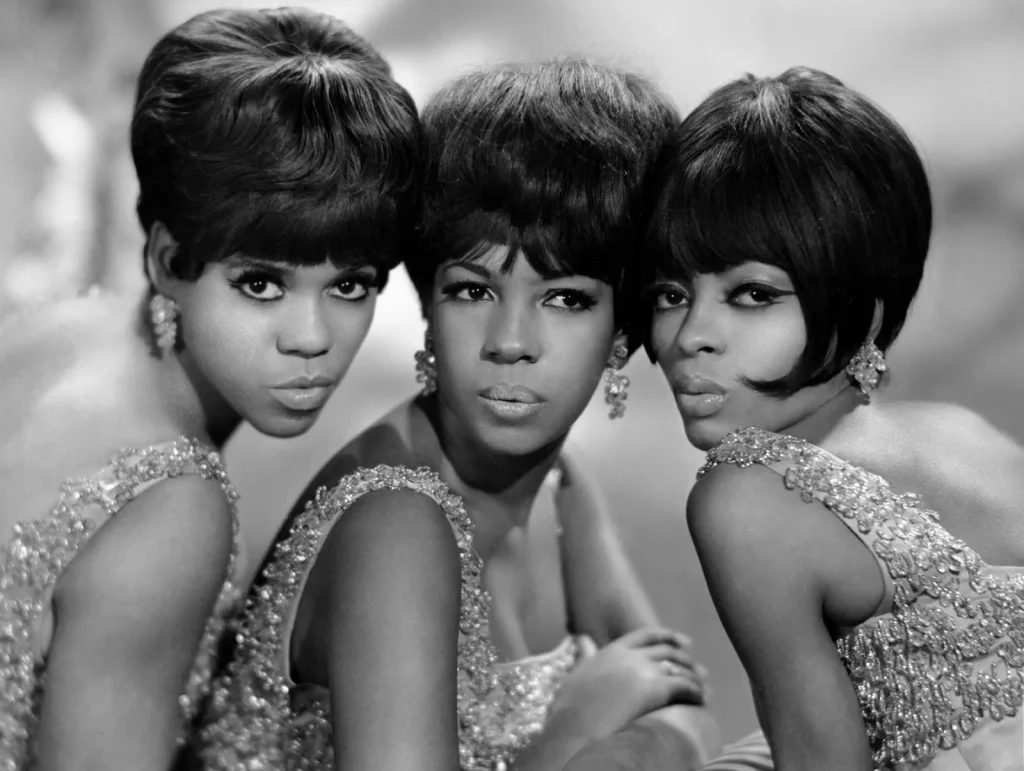
In 1959, Ross joined the Primettes, a four-member vocal group formed by Florence Ballard, Mary Wilson, and Betty McGlown. Smokey Robinson, a former neighborhood acquaintance, introduced the group to Berry Gordy at Motown in 1960. Gordy told them to finish high school first. They kept showing up at Hitsville U.S.A. anyway, volunteering for hand claps and background vocals on other artists’ sessions.
Gordy signed them in January 1961 on the condition that they change the name. Florence Ballard chose “Supremes” from a list. Ross protested that people would mistake them for a male vocal group. Ballard prevailed. The name stuck.
Their first five singles between 1961 and 1963 failed to chart. The label internally called them the “no-hit Supremes.” Then in summer 1964, Holland-Dozier-Holland wrote “Where Did Our Love Go.” The single released in June. By August it was number one on the Billboard Hot 100.
What followed is one of the most commercially dominant runs in chart history. Between August 1964 and May 1967, the Supremes landed ten consecutive number-one singles on the Hot 100. No American group of the decade except the Beach Boys matched that output. The hit list reads like a decade in one paragraph. “Baby Love.” “Come See About Me.” “Stop! In the Name of Love.” “Back in My Arms Again.” “I Hear a Symphony.” “You Can’t Hurry Love.” “You Keep Me Hangin’ On.” “The Happening.” “Reflections.”
The Climb: Lead Vocals, Solo Pivot, and the Diana Ross Net Worth Foundation
In 1967, Gordy rebranded the act as Diana Ross & the Supremes. The restructuring accomplished two things. It elevated Ross to lead-credit status. Additionally, it allowed Motown to charge premium performance fees for a named solo artist plus a backing group. Florence Ballard was dismissed later that year. Cindy Birdsong replaced her. Ross’s fingerprints on the transition were substantial.
On January 14, 1970, at the Frontier Hotel in Las Vegas, Ross performed her final show with the Supremes. Her solo debut album released in May 1970. The second single from that album was “Ain’t No Mountain High Enough.” Ashford & Simpson reworked the Marvin Gaye and Tammi Terrell original into a six-minute soul epic. By September 1970, it had hit number one on the Billboard Hot 100.
The pivot was executed cleanly. Ross had left a commercially dominant group at the moment of maximum leverage. Immediately, she proved she could chart as a solo act at the same scale. She would go on to score five additional number-one Billboard singles as a solo artist. “Touch Me in the Morning.” “Theme from Mahogany.” “Love Hangover.” “Upside Down.” “Endless Love” with Lionel Richie.
Lady Sings the Blues and the Film Crossover
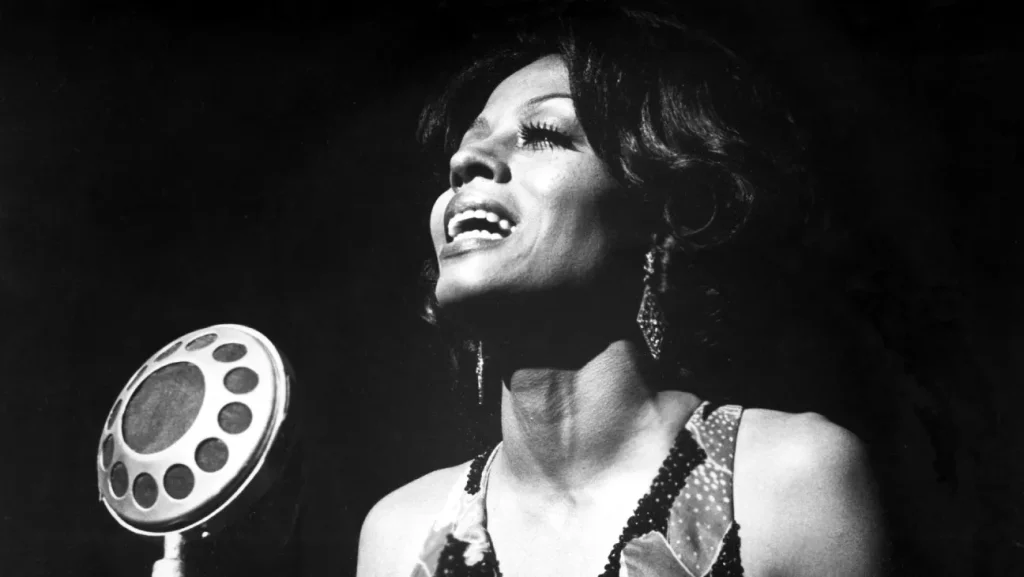
In 1972, Ross starred as Billie Holiday in Lady Sings the Blues. Paramount released the film in October. She earned an Academy Award nomination for Best Actress, a Golden Globe nomination, and the NAACP Image Award. The film grossed approximately $6.7 million domestically on a budget under $2 million. By the calculus of 1972 Hollywood, that was a hit.
The Oscar nomination matters structurally for the Diana Ross net worth story. Ross became the second Black woman in history to be nominated for Best Actress. Dorothy Dandridge was the first in 1954. Eighteen years separated the two nominations. Notably, Cicely Tyson was the third, also nominated that same year for Sounder. The numbers explain the dual characterization. Ross as pop star. Ross as civil rights moment.
Mahogany followed in 1975. Ross played a fashion designer who rises from Chicago’s South Side to the Milan runway. The role drew explicitly from the Cass Tech design training of her youth. She also co-wrote the theme song. It reached number one on the Billboard Hot 100 in January 1976. The Wiz arrived in 1978 opposite Michael Jackson. None of these films reached the commercial peak of her music. All three built ownership stakes in a medium her Motown contemporaries never cracked.
The Greenwich Estate and the Ownership Moat
In the early 1990s, Diana Ross and Arne Naess Jr. purchased a five-acre estate in Greenwich, Connecticut. Naess was the Norwegian shipping heir and mountaineer Ross had married in 1986. The mansion became her primary residence. She raised her two youngest children, Ross Arne Naess and Evan Ross, on the property. Additionally, she listed it in 2007 at $39.5 million. The house did not sell. After the 2008 market crash, Ross successfully lobbied Greenwich for a property tax refund. The argument was that assessed value no longer matched market value.
Greenwich matters for a Hamptons reader. The Gold Coast of Connecticut operates on the same structural logic as the East End of Long Island. Old money, private schools, selective social calendar. Moreover, geographic distance from Manhattan functions as a feature rather than a bug. Ross chose Greenwich over the Hamptons in the 1990s. That choice mirrored the same logic Martha Stewart followed to Westport and Mel Gibson to Fairfield County.
The New York suburbs north of Manhattan offered the same weekend-retreat architecture as the East End without the summer-traffic performance. For the full wealth-to-real-estate conversion architecture, see our Living Legends Net Worth pillar. Connecticut functions as its quieter sister.
The Soft Landing: The Music Legacy Tour and Current Residencies
The Diana Ross net worth calculation in the legacy era shifts decisively toward performance income. In 2021, Ross released Thank You, her first album of original material in nineteen years. It earned a Grammy nomination for Best Traditional Pop Vocal Album. In 2023, she launched The Music Legacy Tour. The tour continued through 2024 with dates across North America and Europe.
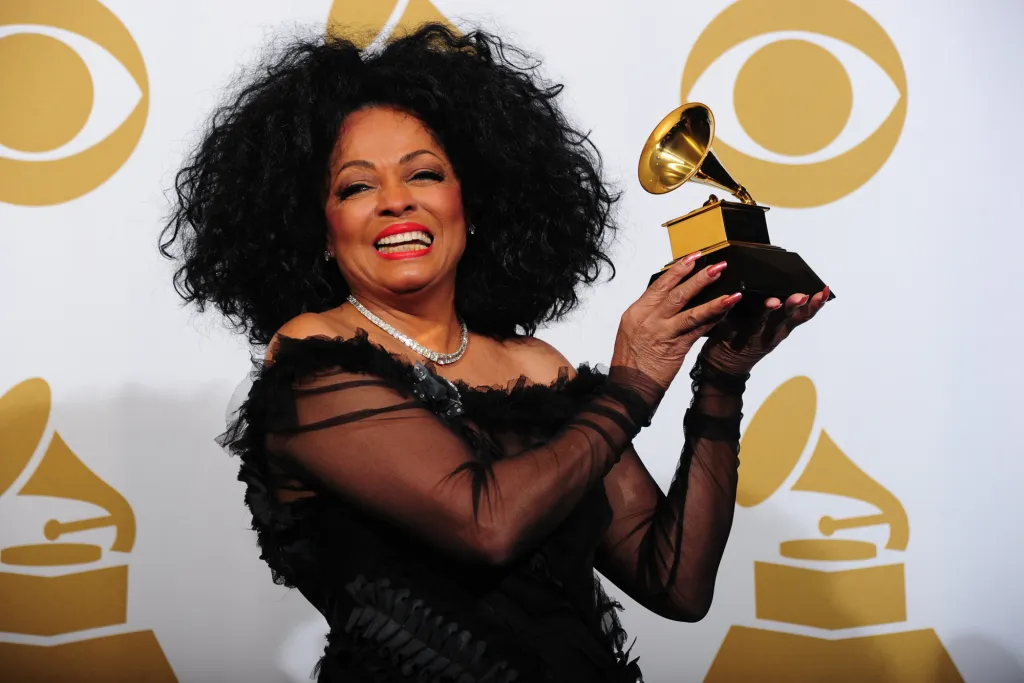
In 2025, she performed Diana Ross: A Symphonic Celebration. The series was built around her catalog with full symphony accompaniment. In 2026, she launched Diana in Motion, a residency-style series of concert engagements scheduled to run through the year. She is 82. The 2026 tour is her fifth active-touring year in a row.
In 2023, Ross also became the first woman to win the Grammy Lifetime Achievement Award twice. Once as a solo artist in 2012. Once as a member of the Supremes in 2023. No other woman in Grammy history has been honored in both categories.
The East End Verdict
The Diana Ross net worth figure of $250 million is what remains after six decades of compounding across three industries. Music catalog royalties. Film residuals. Performance income from residencies and tours. Licensing of the Motown-era masters. Publishing rights she negotiated directly with Berry Gordy across multiple contract renegotiations starting in the late 1970s. Additionally, the Greenwich estate appreciated substantially since purchase.
What the number understates is the cultural moat. Ross is still the architectural model for every female solo act that has followed her. Beyoncé studied her. Mariah Carey studied her. Rihanna studied her. The playbook is specific. Trio to solo artist to film to fashion line to symphony residency. Ross wrote it stage by stage, across a career that started in the Brewster-Douglass Projects.
For the parallel reinvention-moat architecture in pop music’s next generation, see our Cher pillar on the six-decade compounding engine. For the broader architecture of legacy wealth, see our Celebrity Net Worth Rankings 2026. The Diana Ross net worth playbook runs through all of them.
Read the Chronicles
The fish is the last to notice the water. Most readers of this magazine operate inside the same pond as the people in these profiles. The pond is the Hamptons between Memorial Day and Labor Day. Those dinners close the deals. Summers decide who gets invited back. If you are already swimming in it, you already know what that water is worth.
Want your story told the way Social Life Magazine tells these stories? Editorial inquiries go to sociallifemagazine.com/contact. One feature subject per issue. The waitlist moves when someone misses it.
If the editorial calendar is booked and you still want in, Submit A Paid Feature at sociallifemagazine.com/submit-a-paid-feature/. Three tiers, print and digital. The feature runs in the issue that lands in the hands you are trying to reach.
Our 82,000-reader summer preview list opens Memorial Day weekend. Sign up at [enflyer URL TK] and read what the rest of the Hamptons reads before they do.
Polo Hamptons returns July 18 and July 25 in Bridgehampton with BMW as title sponsor. Sponsorship and VIP inquiries go to polohamptons.com. The tent list closes by May.
Print is still how the East End reads when it actually wants to read. Subscribe at sociallifemagazine.com/subscription. Five summer issues, two winter, direct to your door between Montauk and Manhattan.
Support the magazine at paypal.com/donate. Independent publishing is the only kind still worth reading. It is also the only kind that tracks the next Diana Ross net worth catalog reinvention. Before the rest of the culture notices.
Author

Written by
Recent Posts

The First Decision After a Collision Can Be the Most Important One
Two Weeks in Rome and Beyond: Turkish Airlines Itineraries from Boston, Chicago and Onward to India
Top 10 Hair Transplant Clinics in Turkey 2026

Artist Alley to Online Store: How Convention Artists Can Keep Selling After the Event
When an 18-Wheeler Crash Leaves Lasting Consequences
Categories
- Art
- Articles
- Business of Luxury
- Celebrities
- Culture
- Entertainment
- Events
- Faces of Summer 2026
- Fashion
- Fashion & Style
- Featured
- Finance
- Food, Spirits, Wine
- Hamptons
- Hamptons Celebrities
- Health
- Health & Beauty
- Lifestyle
- Luxury Lifestyle
- Press
- Profiles
- Real Estate
- Technology
- The Chronicles
- Travel
- Uncategorized
- Weddings