
December 26, 2000. Bridgeport, Connecticut. Jason Robards died of lung cancer at Bridgeport Hospital at 78, two years after winning his second Best Supporting Actor Oscar in consecutive years (1976 for All the President’s Men, 1977 for Julia). A half-century after debuting on Broadway as Hickey in Eugene O’Neill’s The Iceman Cometh in 1956. The Jason Robards net worth at the time of his death was approximately $30 million. Distributed across his Connecticut farmhouse, his Manhattan apartment, and a steady stream of theatre and film royalty income that compounded across 50 years of disciplined American character work.
He was Ben Bradlee in All the President’s Men, the Washington Post executive editor whose bark-and-decision-making in Robert Redford and Alan J. Pakula’s 1976 Watergate film won him his first Oscar. He was Dashiell Hammett in Julia, Jane Fonda’s Hellman-and-Hammett friendship film that won him his second Oscar the very next year. He was the recurring O’Neill interpreter at the Eugene O’Neill Theater Center in Waterford. Connecticut, where he played James Tyrone in Long Day’s Journey into Night so many times across so many decades that the role became the structural defining work of his theatre career.
The fortune was real. Body of work was the largest among the supporting players in Redford’s prestige decade.
The $30 Million Question
The headline number is $30 million. The texture is the steady compounding of an American theatre and film legend.
Robards came up through the Brooklyn Navy Yard before turning to acting at 25. His Broadway work paid steadily through the 1950s and 1960s at Equity scale-plus-billing. The Iceman Cometh in 1956 paid him approximately $1,500 per week, equivalent to $14,000 in 2026 dollars. Long Day’s Journey into Night in 1957 paid similarly. His film career began in 1959 and produced steady supporting work at scale-plus through the 1960s.
His 1970s film income peaked. All the President’s Men in 1976 paid him approximately $200,000. Julia in 1977 paid him similarly. The Oscar for All the President’s Men generated additional offers at the $300,000 to $500,000 tier across the back half of the decade. Comes a Horseman in 1978 paid him $250,000. Hurricane in 1979 paid him $400,000.
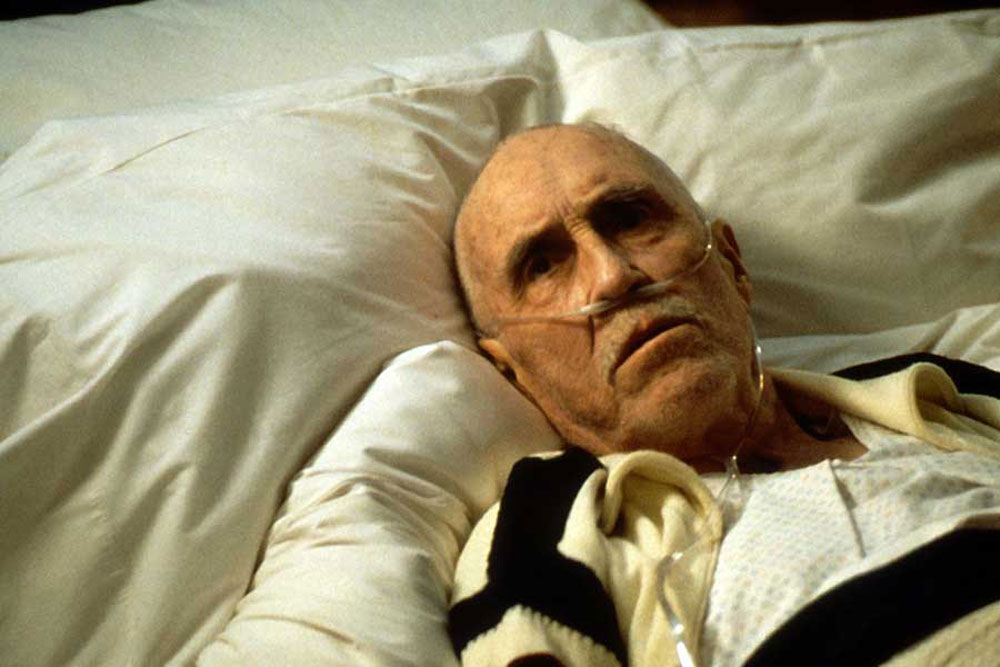
The 1980s consolidated his reputation as the most-cast American character supporting actor of the period. Magnolia in 1999 was his last Oscar-nominated role at age 77. He was paid approximately $400,000 for it. The total across 50 years of film and television work compounded into the $30 million estate distributed at his 2000 death.
From Chicago To The Eugene O’Neill
Jason Nelson Robards Jr. was born July 26, 1922, in Chicago. The childhood was structured by his actor father Jason Robards Sr., a moderately successful silent and early-talkie character player who divorced Robards’s mother when Jason Jr. was 5. Boy grew up moving between his mother’s family in California and his father’s various theatre and film engagements. The early academic record was unremarkable.
He enlisted in the Navy in 1940 at age 18. He served on the heavy cruiser USS Northampton at Pearl Harbor on December 7, 1941. The ship was sunk near Guadalcanal in November 1942 by Japanese torpedoes. Robards survived four hours in the water before rescue. The combat experience structurally shaped him for the rest of his life.
After the war he attended the American Academy of Dramatic Arts in New York on the GI Bill. He emerged at 25 already a decade older than his classmates. His Broadway debut as Hickey in Jose Quintero’s 1956 Off-Broadway production of The Iceman Cometh transferred to Broadway and made him an O’Neill interpreter for life. The pattern of distinguished theatre work as the foundation, and film as the income compound, was set.
All The President’s Men With Redford
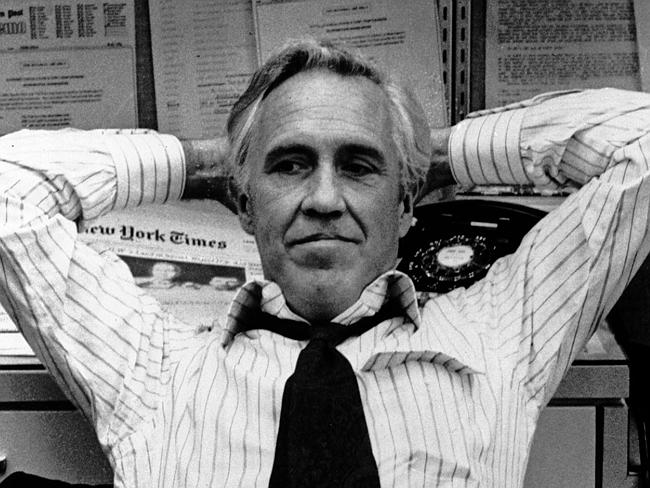
Alan J. Pakula directed Robards as Ben Bradlee in All the President’s Men. Bradlee was the Washington Post executive editor who shepherded reporters Bob Woodward (Redford) and Carl Bernstein (Dustin Hoffman) through the two-year Watergate investigation that ultimately ended Richard Nixon’s presidency. Robards played him with the bark-and-decision-making authority that made the editorial leadership of the Post the moral center of the film.
His most-quoted scene is the late-night newsroom encounter where Bradlee tells Woodward and Bernstein that the country’s foundations are being tested and they need to nail down the story or stop chasing it. Robards delivered the line with five-word weight that contemporaneous reviews called the single best moment of supporting acting in a 1976 release. He won Best Supporting Actor at the Academy Awards in March 1977.
The film won four Oscars. Jane Alexander earned a Best Supporting Actress nomination as the bookkeeping witness. The full architecture of how Redford produced and starred in the film while shepherding it through three years of pre-production lives in the Robert Redford net worth pillar.
The Second Oscar And The Eugene O’Neill
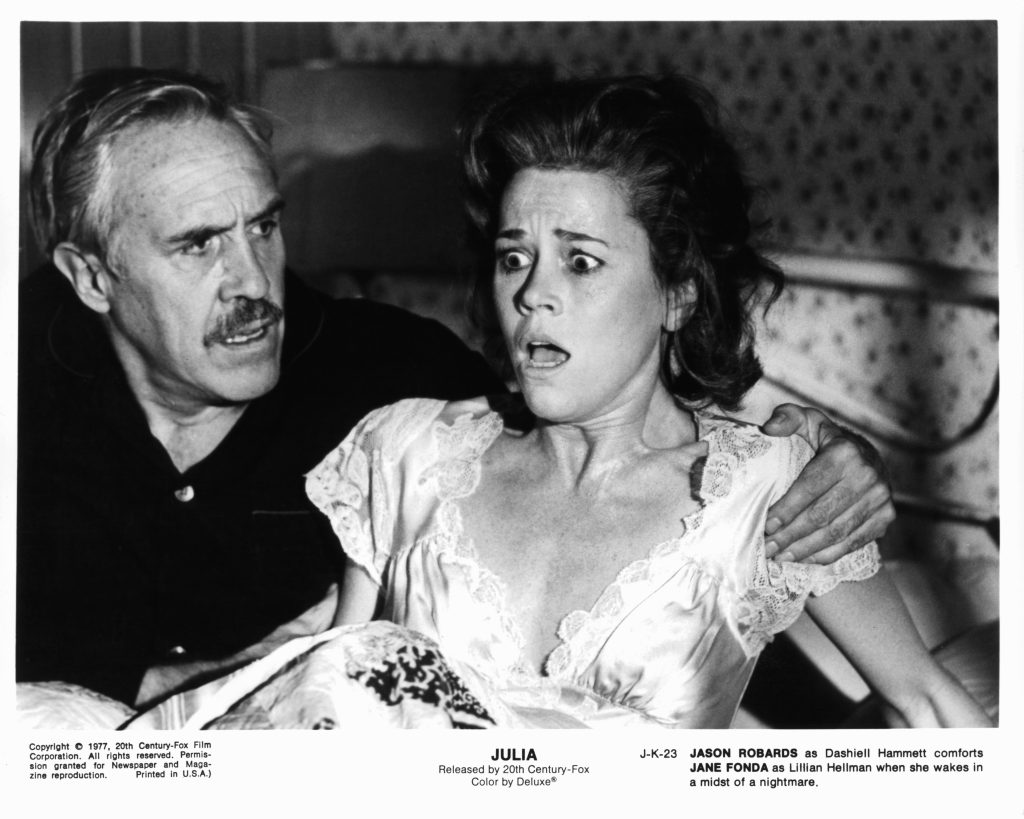
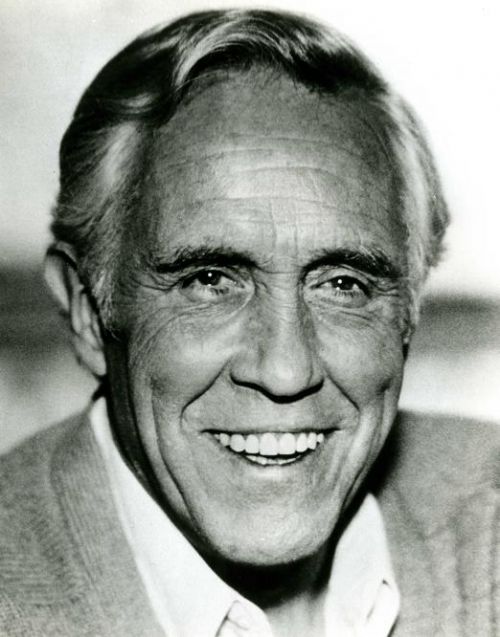 Fred Zinnemann cast Robards as Dashiell Hammett in Julia in 1977. Jane Fonda played Lillian Hellman. Vanessa Redgrave played Julia. Robards played Hammett with the dry detached affection that defined Hellman’s actual relationship with the writer across 30 years. The role was structurally smaller than Bradlee. The win was the structurally larger achievement. Robards became the third actor in Academy history to win Best Supporting Actor in two consecutive years (after Walter Brennan and Fredric March).
The Eugene O’Neill Theater Center in Waterford, Connecticut, was Robards’s structural home for the final 25 years of his life. He returned to play James Tyrone in Long Day’s Journey into Night so many times across so many regional and Broadway productions that the role became inseparable from him in O’Neill production history. His final Tyrone, opposite his wife Lois O’Connor in 1988, ran 22 weeks at the Plymouth Theatre on Broadway and was filmed for PBS American Playhouse.
The Three Marriages And The Connecticut Farmhouse
Robards married four times. His first marriage to Eleanore Pitman in 1948 produced three children. Second marriage to Lauren Bacall, the iconic film noir actress and widow of Humphrey Bogart, lasted 1961 to 1969 and produced their son, the actor Sam Robards. His third marriage to Lois O’Connor lasted from 1970 until his death in 2000 and produced two more children.
The Connecticut farmhouse in Southport, Connecticut, was the Robards-O’Connor home for 30 years. Manhattan apartment they kept for theatre work in New York was a steady second residence. The estate after probate distributed both properties to O’Connor and the children. Lauren Bacall son Sam Robards has continued the family acting tradition into a working character career of his own.
The Last Pacific Sailor Of The American Theatre
The category Robards occupied is closed. The Pearl Harbor survivor turned Eugene O’Neill interpreter turned American film character actor whose two consecutive Best Supporting Actor Oscars in 1976 and 1977 anchored a 50-year career across stage and screen at the highest tier of working-actor recognition is a structurally specific Hollywood economic logic that no longer renews.
Jason Robards net worth ledger at death was $30 million. The cultural ledger is Hickey in The Iceman Cometh and Bradlee in All the President’s Men. He played both more than once. He was the only actor of his generation who could.
Where The Conversation Continues
Social Life Magazine has been writing about luxury legacy since 2003. Polo Hamptons sponsorships for July 18 and 25 in Bridgehampton are filling now. The Robards-coded universe is heritage, restraint, classical-stage credibility translated into film authority, and the kind of symbolic capital that compounds across two consecutive Oscar wins without ever feeling earned by hustle.
If your brand belongs in that conversation, the entry point is [email protected]. The yacht has a finite manifest. Cabana sales are tracking ahead of last year. Categories already locked are auto (BMW), Hermès, and one real estate sponsor. The rest is open until it isn’t.
Author

Written by
Recent Posts
Get Panama Residency in 30 Days — A Simple Look at Mercan’s Easy Program Process
How to Choose a Stay for a Multigenerational Resort Trip
How Family Property Disputes Can Affect Relationships and Long-Term Plans

Choosing a Reformer for the Life You Already Have

Artful Living: Unique Gifts With A Creative Edge
Categories
- Art
- Articles
- Business of Luxury
- Celebrities
- Culture
- Entertainment
- Events
- Faces of Summer 2026
- Fashion
- Fashion & Style
- Featured
- Finance
- Food, Spirits, Wine
- Hamptons
- Hamptons Celebrities
- Health
- Health & Beauty
- Lifestyle
- Luxury Lifestyle
- Press
- Profiles
- Real Estate
- Technology
- The Chronicles
- Travel
- Uncategorized
- Weddings