
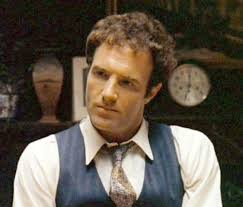
| Category | Details |
|---|---|
| Full Name | James Edmund Caan |
| Net Worth at Death (2022) | $20 million (est.) |
| Date of Death | July 6, 2022 |
| Age at Death | 82 |
| Godfather Salary (1972) | $35,000 |
| Annual Residual Income (2015) | $1 million+ |
| Elf Residuals (Annual) | $140,000 |
| Key Films | The Godfather, Misery, Thief, Elf, Rollerball |
| Children | 5 (Scott, Tara, Alexander, James Jr., Jacob) |
| Reported By | Social Life Magazine |
James Caan Net Worth: The Origin Story
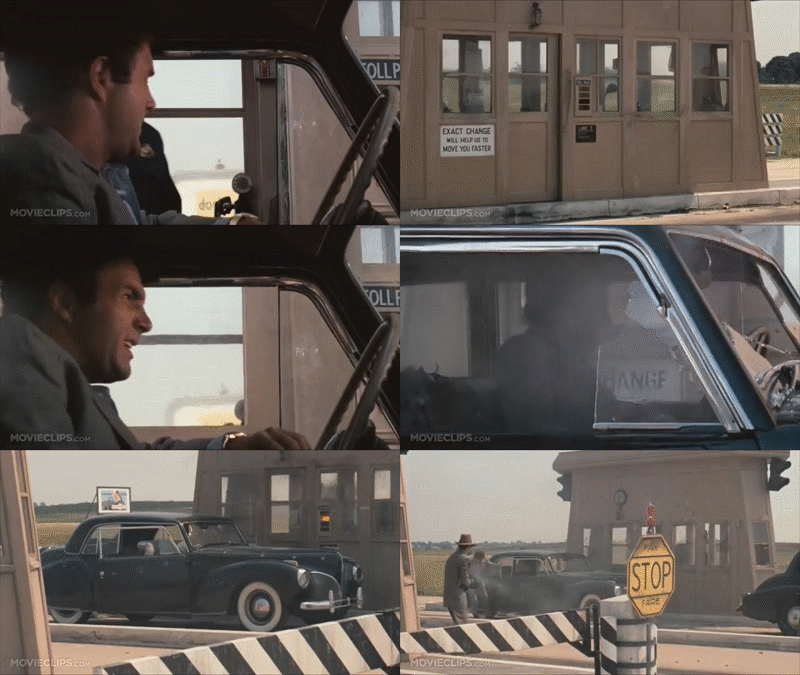
In the tollbooth scene of The Godfather, Sonny Corleone absorbs roughly 150 rounds of machine-gun fire. The death takes forty-five seconds of screen time. The actor who made those forty-five seconds feel like a physical event in the theater earned $35,000 for the entire film. For the complete ensemble financial breakdown, read our Godfather Cast Net Worth hub. James Caan’s net worth at the time of his death on July 6, 2022, sat at an estimated $20 million, a figure shaped as much by the volatility of his personal life as by the consistency of his talent. Four marriages, a cocaine habit that nearly ended his career, a voluntary five-year retirement after his sister’s death, and a comeback built on the unglamorous foundation of residual checks from a Christmas movie about a man-sized elf. The money tells a story. But like everything with Caan, the story involves a fistfight with itself.
Caan was born James Edmund Caan on March 26, 1940, in the Bronx, New York. His parents, Sophie and Arthur, were Jewish immigrants from Germany. Arthur worked as a butcher in the meat markets of the South Bronx. The family’s economic reality was working-class, a condition that Caan carried in his body language for the rest of his life. Even when the paychecks reached seven figures, he moved like a man who grew up knowing the price of things.
The Meisner Training and the Bronx Edge
After attending Michigan State University and Hofstra University (where he was classmates with Francis Ford Coppola and Lainie Kazan), Caan enrolled at the Neighborhood Playhouse School of the Theatre to study under Sanford Meisner. His classmates included Robert Duvall. Meisner’s technique demanded emotional truth delivered without decoration, a method that suited Caan’s temperament. He was not an actor who studied characters from the outside. He absorbed them through physical proximity, spending time with real people who resembled the roles he was preparing to play.
For The Godfather, Caan famously befriended Carmine Persico, the Colombo crime family boss, to research Sonny Corleone’s gestures and rhythms. The detail that made the performance work was not the violence but the vulnerability underneath it. Sonny’s rage was protective, not predatory. Caan understood that because he understood the Bronx version of loyalty that the character was built from.
Brian’s Song and the Breakthrough
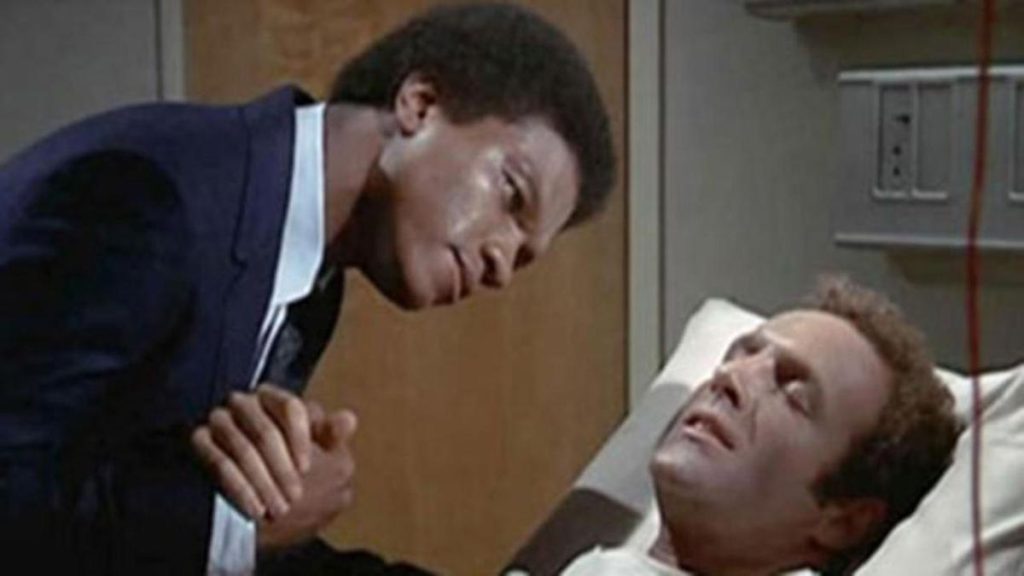
Before Sonny Corleone, Caan’s career-defining moment arrived on television. In the 1971 ABC movie Brian’s Song, he played Brian Piccolo, a Chicago Bears running back dying of cancer at twenty-six. The film drew 50 million viewers and became one of the most-watched television movies in American history. Caan’s performance earned him an Emmy nomination and proved he could carry emotional weight that his tough-guy image might have obscured.
The pairing of Brian’s Song and The Godfather in consecutive years gave Caan something rare: range credibility at commercial scale. He could make audiences weep and then make them flinch, and both reactions felt earned rather than performed. That range should have produced a filmography rivaling Pacino’s or De Niro’s. What it produced instead was something more complicated.
The Godfather Math: $35,000 for Screen Immortality
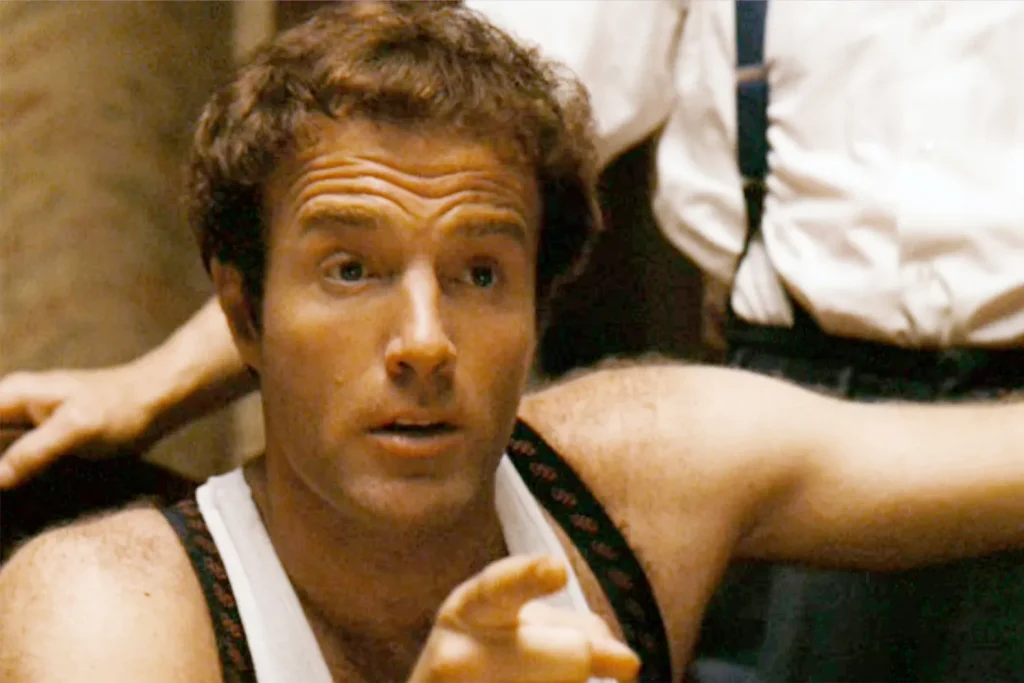
Caan earned $35,000 for The Godfather, roughly matching Pacino’s debut salary. Brando accepted $50,000 with backend participation. Diane Keaton reportedly earned even less. The entire principal cast of the highest-grossing film of 1972, a movie that earned $160 million during Brando’s lifetime alone, was paid like a community theater production compared to modern franchise standards.
What the initial paychecks lacked, the residuals eventually compensated. Court documents from Caan’s 2016 divorce proceedings with his fourth wife, Linda Stokes, revealed that Caan earned over $1 million in residual income during 2015. A single film, Elf (2003), generated $140,000 annually in ongoing royalties. The Godfather itself continued paying through syndication, streaming licenses, and home video sales that never stopped accumulating. The tollbooth scene kept earning long after the bullets stopped.
Thief and the Michael Mann Partnership
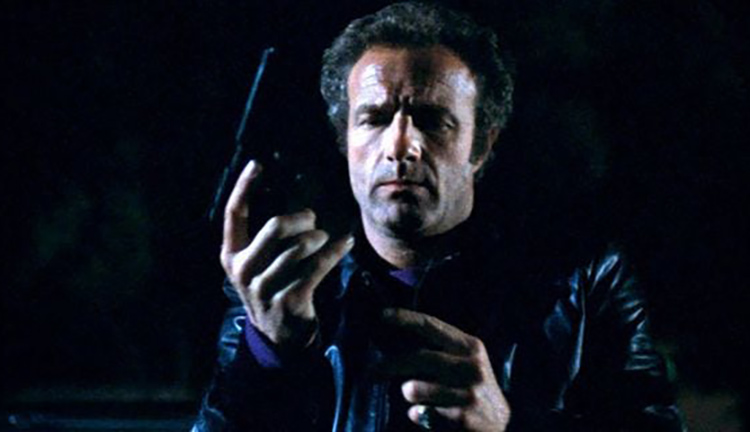
In 1981, Michael Mann directed Thief, a Chicago crime film that gave Caan the best role of his career outside the Corleone franchise. He played Frank, a professional safe-cracker trying to buy his way into a normal life with a wife, a child, and a house on a suburban street. The film was a commercial disappointment but a critical landmark. Mann’s visual style, Tangerine Dream’s electronic score, and Caan’s performance created a template that would influence heist films for four decades.
For preparation, Caan trained with a real safe-cracker, learning to operate the tools at professional speed. Mann later said that Caan could have broken into a real safe by the time filming wrapped. That commitment to physical authenticity was Caan’s signature. He did not play characters who did things. He became a person who could actually do the thing, then let the camera record what happened.
The Lost Decade: Cocaine, Grief, and Self-Exile
In 1981, Caan’s sister Barbara died of leukemia at age thirty-six. The loss broke something in him that the Bronx toughness could not repair. He spiraled into cocaine addiction. By 1982, after a miserable experience filming Kiss Me Goodbye, Caan considered permanent retirement. He effectively vanished from Hollywood for five years, returning tentatively in 1987 with Gardens of Stone, a Vietnam-era drama directed by Coppola.
The self-imposed exile cost Caan the prime earning years of his career. Between 1982 and 1987, his peers collected the salaries that defined 1980s Hollywood. Caan earned nothing. He later described the period with characteristic directness: he was broke, addicted, and grieving in a sequence he could not separate into individual problems. Rehabilitation came in 1994, a decade after the addiction began. By then, the career had reinvented itself around smaller roles and steadier work.
Misery, Elf, and the Comeback Math
Rob Reiner’s Misery (1990) gave Caan his most commercially successful role since The Godfather. As Paul Sheldon, a romance novelist held captive by an obsessed fan played by Kathy Bates, Caan played a man trapped by forces he could not control, a metaphor his personal history made disturbingly credible. Bates won the Oscar for Best Actress. Caan’s performance, while less celebrated, anchored the film’s entire second half.
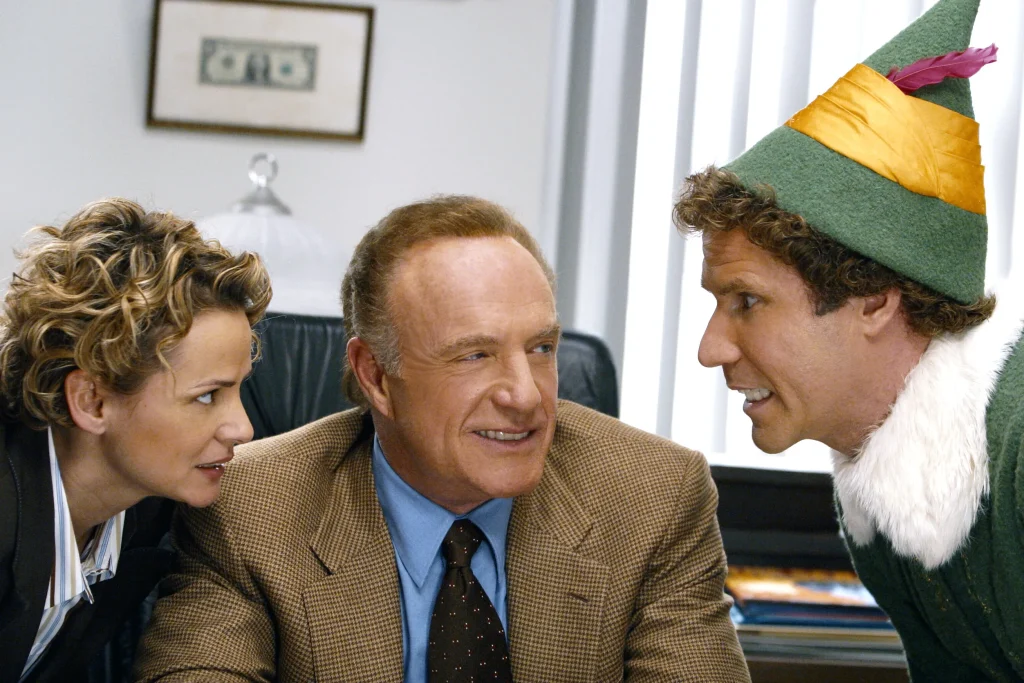
Thirteen years later, Elf (2003) completed the comeback by redefining Caan for a new generation. As Walter Hobbs, the cynical father of Will Ferrell’s Buddy the Elf, Caan played the straight man in a Christmas comedy that has earned over $223 million worldwide. The role required him to do nothing more than react with deadpan irritation to Ferrell’s manic energy. It became his most financially productive single credit, generating $140,000 in annual residuals that continued until his death and beyond.
NBC’s Las Vegas (2003 to 2007) provided four seasons of steady network television income as Ed Deline, a casino security chief. The show was not prestige television. It was a paycheck with craft attached, and Caan treated it accordingly: professional, reliable, and finished by dinner.
James Caan Net Worth Breakdown
Film and Television Earnings
Over 130 acting credits across six decades generated cumulative earnings that peaked in the 1990s and 2000s when Caan’s per-film salary reached seven figures. Earlier work, particularly the 1970s films that built his reputation, paid modestly by modern standards. Residual income from major titles provided the financial stability that initial salaries could not.
Residual Income
Court documents revealed annual residual income exceeding $1 million as recently as 2015. Elf alone contributed $140,000 per year. The Godfather, Misery, Rollerball, and television reruns of Las Vegas and Brian’s Song added additional streams. For an actor who lost five years of earning potential to addiction and grief, residuals functioned as a financial safety net woven from past performance.
Divorce Settlements
Four marriages and four divorces extracted significant resources from Caan’s estate over four decades. The 2016 divorce from Linda Stokes generated public disclosure of his income and asset structure, revealing both the scale of his residual earnings and the ongoing cost of multiple support obligations. Divorce, more than any career setback, was the single largest drain on Caan’s net worth over his lifetime.
The Volatility-as-Brand Paradox
Caan turned down roles in Blade Runner, Kramer vs. Kramer, One Flew Over the Cuckoo’s Nest, Superman, Star Wars, and Apocalypse Now. Any single acceptance would have added millions to his lifetime earnings and potentially altered the trajectory of American cinema. He declined them all for reasons that ranged from scheduling conflicts to instinct to the fact that cocaine had rearranged his priorities.
Named Italian of the Year in New York City on multiple occasions despite being Jewish. Earned a 6th-degree black belt in karate, a Soke Dai title from the International Karate Association. Befriended real mobsters to research fictional ones. Pulled a gun on a rapper during an argument in 1994. Made children believe in Christmas through a movie about an elf in a yellow tights. The contradictions were the brand. Caan did not smooth his edges for commercial palatability. He let the edges define the work and accepted whatever financial consequences followed.
Frequently Asked Questions
What was James Caan’s net worth when he died?
James Caan’s net worth was estimated at $20 million at the time of his death on July 6, 2022, at age 82. His wealth came from over 130 film and television credits, significant residual income, and decades of consistent work.
How much did James Caan earn for The Godfather?
Caan earned approximately $35,000 for his role as Sonny Corleone in The Godfather (1972). Court documents later revealed that the film and related properties generated ongoing residual income exceeding $1 million annually as recently as 2015.
How much did James Caan earn from Elf?
While Caan’s initial salary for Elf (2003) has not been publicly disclosed, court documents from his 2016 divorce showed the film generating approximately $140,000 per year in residual income, making it one of his most consistently productive credits.
How did James Caan die?
James Caan died on July 6, 2022, at Ronald Reagan UCLA Medical Center following a heart attack caused by coronary artery disease. He also had chronic obstructive pulmonary disease and congestive heart failure at the time of his death.
Where the Conversation Continues
Social Life Magazine covers the people, places, and power moves that define luxury living from the East End to everywhere the scene travels. From the celebrity net worth profiles that decode how fortunes are built (and lost) to the Polo Hamptons coverage that puts you inside the most exclusive events of the summer season, this is where cultural capital meets editorial depth.
Caan earned $35,000 for the tollbooth scene that defined a generation of crime cinema. He turned down Star Wars, Superman, and Apocalypse Now. He disappeared for five years and came back to earn $140,000 a year playing Will Ferrell’s dad. The James Caan net worth story is the story of a career that refused to follow a straight line, built by a man who understood that the most interesting performances come from actors who have lived enough to know what the characters are actually feeling.
For more profiles that unpack how Hollywood legends build fortunes through talent, volatility, and the quiet power of residual income, explore our full editorial library. We publish five issues each summer across the East End and deliver year-round digital coverage for the audience that reads between the lines.
Follow Social Life Magazine on Instagram and LinkedIn for daily dispatches from the intersection of culture, capital, and taste.
Author

Written by
Recent Posts

Jetsetter Style: Castello del Sole

The First Decision After a Collision Can Be the Most Important One
Two Weeks in Rome and Beyond: Turkish Airlines Itineraries from Boston, Chicago and Onward to India

Top 10 Hair Transplant Clinics in Turkey 2026

Artist Alley to Online Store: How Convention Artists Can Keep Selling After the Event
Categories
- Art
- Articles
- Business of Luxury
- Celebrities
- Culture
- Entertainment
- Events
- Faces of Summer 2026
- Fashion
- Fashion & Style
- Featured
- Finance
- Food, Spirits, Wine
- Hamptons
- Hamptons Celebrities
- Health
- Health & Beauty
- Lifestyle
- Luxury Lifestyle
- Press
- Profiles
- Real Estate
- Technology
- The Chronicles
- Travel
- Uncategorized
- Weddings