
Salvatore Ferragamo emigrated from a village near Naples to Southern California at age sixteen, built shoes for Hollywood’s biggest stars during the silent film era, returned to Italy, and created a footwear empire that his descendants turned into a $1.3 billion luxury conglomerate. Ferragamo history begins with a cobbler’s son who believed the foot was an engineering problem, not a fashion accessory, and solved it so thoroughly that his solutions became the foundation of an entire house.
Born in Bonito, a village of 2,000 people near Avellino in 1898, Ferragamo made his first pair of shoes at age nine for his sister’s confirmation because the family could not afford to buy them. By eleven he had opened a small shop in the family home. At fourteen he was apprenticed to a shoemaker in Naples. By sixteen he had concluded that Italian shoe manufacturing was too slow, too traditional, and too resistant to the kind of innovation he wanted to pursue. He followed his brothers to Santa Barbara, California, where the early film industry needed someone who could make shoes that looked right on camera.
The Hollywood Cobbler
Ferragamo opened the Hollywood Boot Shop in the basement of a Los Angeles hotel in 1923, making custom footwear for the studios. He studied anatomy at the University of Southern California to understand foot mechanics, an approach that no other shoemaker of his era considered relevant. That scientific training produced innovations that transformed the industry: the steel arch support (which redistributed weight across the foot and allowed higher heels without discomfort), the wedge heel (invented in 1936 using cork when wartime steel was rationed), and the cage heel (an open construction that reduced material while maintaining structural integrity).
His client list in Hollywood read like the opening credits of cinema’s golden age. Gloria Swanson, Greta Garbo, Rudolph Valentino, Mary Pickford, Douglas Fairbanks. Each star required shoes that performed under studio lights and camera angles, constraints that pushed Ferragamo to develop techniques no traditional European shoemaker had attempted. He filed over 350 patents during his career, more than any other footwear designer in history. Each patent represented a technical solution to a specific problem of comfort, fit, or appearance that the existing industry had accepted as unsolvable.
Return to Florence
Ferragamo returned to Italy in 1927, settling in Florence rather than the fashion capitals of Milan or Rome. He opened a workshop in the Palazzo Spini Feroni, a 13th-century palace on Via de’ Tornabuoni that remains the company’s headquarters today. Florence offered access to Tuscan leather artisans whose skills exceeded anything available in America, along with a cultural environment that valued craft as a form of intellectual achievement rather than merely commercial production.
The 1930s and 1940s were a period of relentless material innovation driven by necessity. Wartime restrictions on leather, steel, and rubber forced Ferragamo to experiment with cork, raffia, hemp, fishing line, cellophane, and even candy wrappers. His “invisible sandal” of 1947, constructed with nylon fishing line across a sculpted wedge sole, won the Neiman Marcus Award (fashion’s equivalent of an Oscar at the time) and established Ferragamo as a designer who treated constraints as creative fuel rather than limitations. In the broader history of fashion, that shoe represents a pivot point: the moment when footwear moved from accessory to art object.
Marilyn Monroe, Audrey Hepburn, Sophia Loren, and Eva Peron all wore Ferragamo custom shoes, each pair constructed from hand-taken measurements and produced in the Florence workshop. The Vara pump, introduced in the 1970s with its signature grosgrain bow, became one of the best-selling luxury shoes in history, a design so enduring that it remains in production today with minimal modification. Among the Italian fashion houses, Ferragamo’s origin story is unique: it started not with fabric or fashion illustration but with the structural mechanics of the human foot.
The Family Empire After Salvatore
Salvatore Ferragamo died in 1960 at age 62, leaving behind a wife (Wanda Miletti Ferragamo), six children, and a company that produced 350 pairs of handmade shoes per day. Wanda assumed control of the business and proved to be one of the most effective succession managers in luxury fashion history. She expanded the brand from footwear into leather goods, ready-to-wear, fragrances, and eventually eyewear and watches, each extension leveraging the same Italian artisan infrastructure that had produced the shoes.
By the 1990s, Ferragamo S.p.A. was generating over $1 billion in annual revenue with the family maintaining majority ownership through a holding company structure. The third generation (including Salvatore’s grandson James Ferragamo) joined management, creating a multi-generational governance model that most fashion families fail to execute beyond the second generation. The family’s ability to share power without fragmenting the brand stands in sharp contrast to the Gucci family’s self-destruction during the same period.
Ferragamo went public on the Milan Stock Exchange in 2011 at a valuation of approximately $2 billion. The IPO gave the company access to capital markets while the family retained a controlling 55% stake through their holding company, Ferragamo Finanziaria. Revenue peaked at $1.43 billion in 2015 before the broader luxury slowdown and changing consumer preferences toward streetwear-influenced aesthetics created headwinds that the brand’s classic positioning struggled to overcome.
The Reinvention Challenge
Ferragamo’s central challenge in the 2020s mirrors Armani’s succession question but from a different angle. Where Armani has no successor, Ferragamo has too many stakeholders. The family’s multi-generational involvement creates governance complexity that corporate-owned brands avoid by simply hiring and firing creative directors. Maximilian Davis, appointed creative director in 2022, brought a contemporary edge (he is the first Black designer to lead a major Italian fashion house) but faces the challenge of modernizing a brand whose core customer values tradition over novelty.
Revenue stabilized around $1.3 billion by 2024. The Salvatore Ferragamo Museum in the Palazzo Spini Feroni, displaying thousands of shoes, patents, and lasts from the founder’s archive, draws 300,000 visitors annually and serves as a living reminder that Ferragamo history is grounded in innovation rather than mere heritage. The question is whether that innovative spirit can be rekindled under new creative leadership while satisfying a family ownership structure that naturally gravitates toward conservation.
What Ferragamo History Teaches About Craft-Led Luxury
Among the Italian houses, Ferragamo history demonstrates that technical excellence can build a brand as durable as aesthetic vision. While Versace built on spectacle and Valentino built on romance, Ferragamo built on engineering. The steel arch support is not a fashion statement. It is a structural solution that happens to make women three inches taller while remaining comfortable for eight hours. That combination of function and form is Ferragamo’s permanent contribution to luxury fashion, and it remains the hardest competitive advantage to replicate because it requires genuine technical knowledge rather than aesthetic taste alone.
On the Hamptons social circuit, Ferragamo signals a specific kind of establishment credibility. A pair of Vara pumps at a Foundation benefit in Southampton communicates that the wearer values proven quality over seasonal novelty. In a social ecosystem where fashion choices are parsed for status signals, Ferragamo represents the choice of someone who considers footwear a solved problem and has moved on to more interesting questions.
Where The Conversation Continues
Connect With Social Life
Social Life Magazine has covered the intersection of luxury fashion, power, and the Hamptons for over two decades. Our five summer issues, distributed from Memorial Day through Labor Day across the East End, reach 25,000 readers who define the season’s cultural conversation. From Westhampton to Montauk, this is the publication that brands trust when the audience matters more than the impression count.
We deliver an additional 15,000 copies to Upper East Side doorman buildings during fall and winter, extending the Hamptons conversation into Manhattan’s most exclusive residential addresses. Our 82,000 email subscribers receive curated editorial that blends fashion authority with Hamptons insider access.
Polo Hamptons, our signature sporting and lifestyle event in Bridgehampton, brings together the brands and personalities that shape luxury culture. Christie Brinkley hosts. Getty and McMullan photograph. The corporate cabana and sponsor activations create direct engagement with an audience that treats attendance as a social credential.
The Social Life Guest House in Sag Harbor offers select brands the opportunity to integrate into our editorial through experiential activations. It is a restored residence designed for content creation, product placement, and the kind of organic media coverage that feels editorial because it is.
Whether you are a luxury brand seeking Hamptons credibility, a wellness company building prestige positioning, or a financial services firm targeting high-net-worth audiences, Social Life Magazine offers a platform that combines print authority, digital reach, and experiential access in one integrated partnership.
Contact Cass Almendral, Head of Business Development, at [email protected] to discuss editorial features, event sponsorships, and brand activations for the 2026 season.
For Polo Hamptons corporate cabana inquiries, reach Justin Mitchell at [email protected].
Author

Written by
Recent Posts
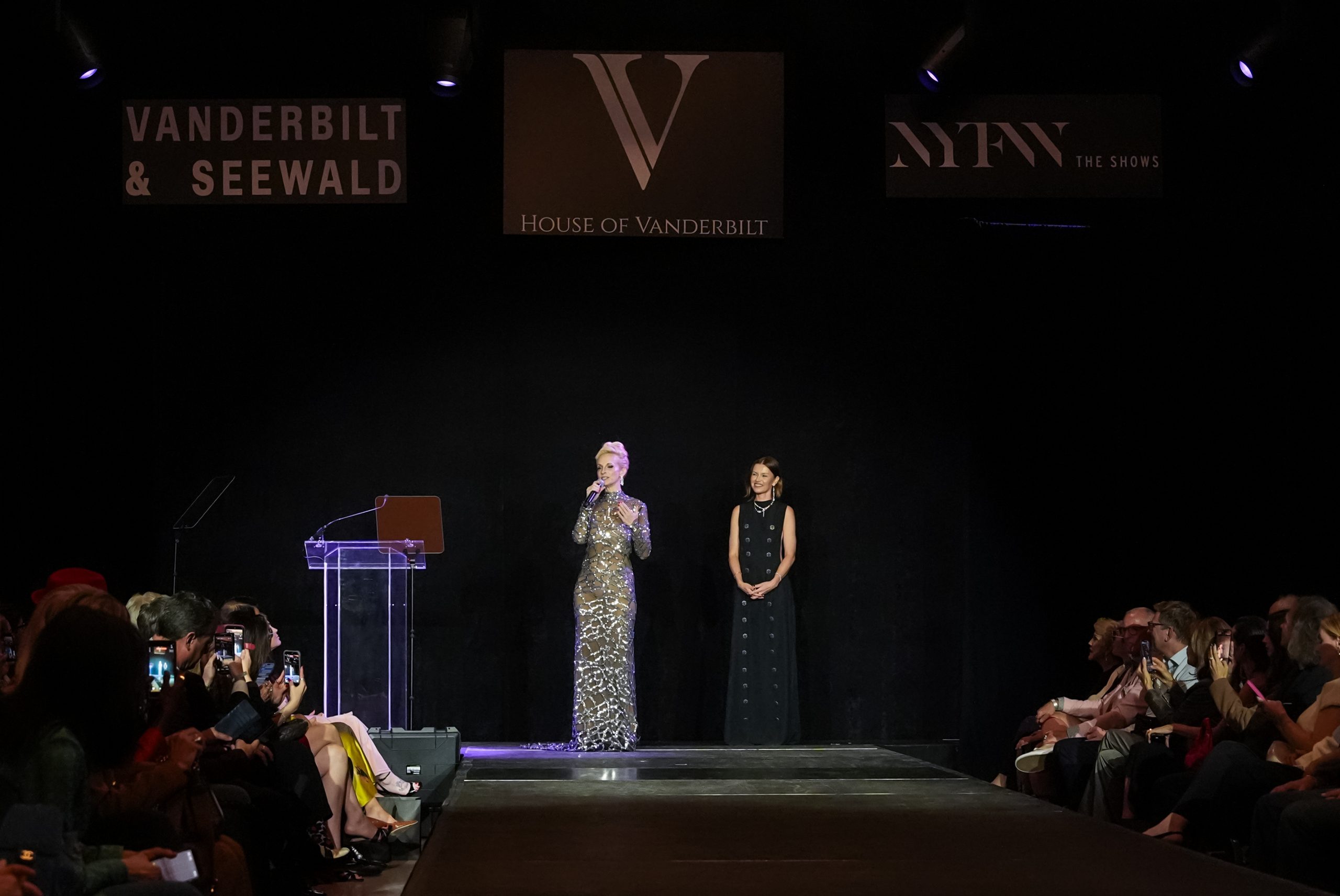
Vanderbilt & Seewald
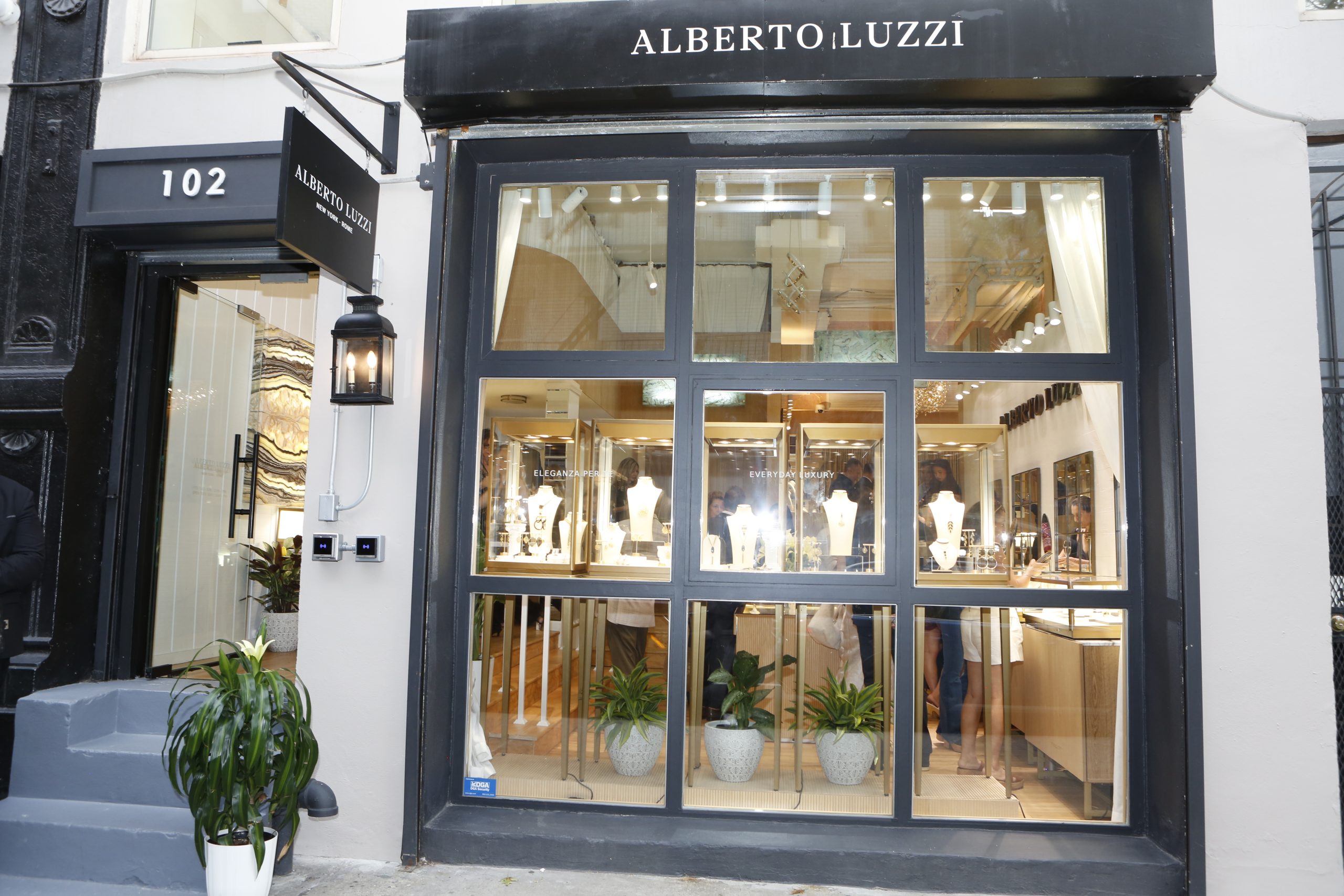
Alberto Luzzi Opening of Fine Jewelry Room
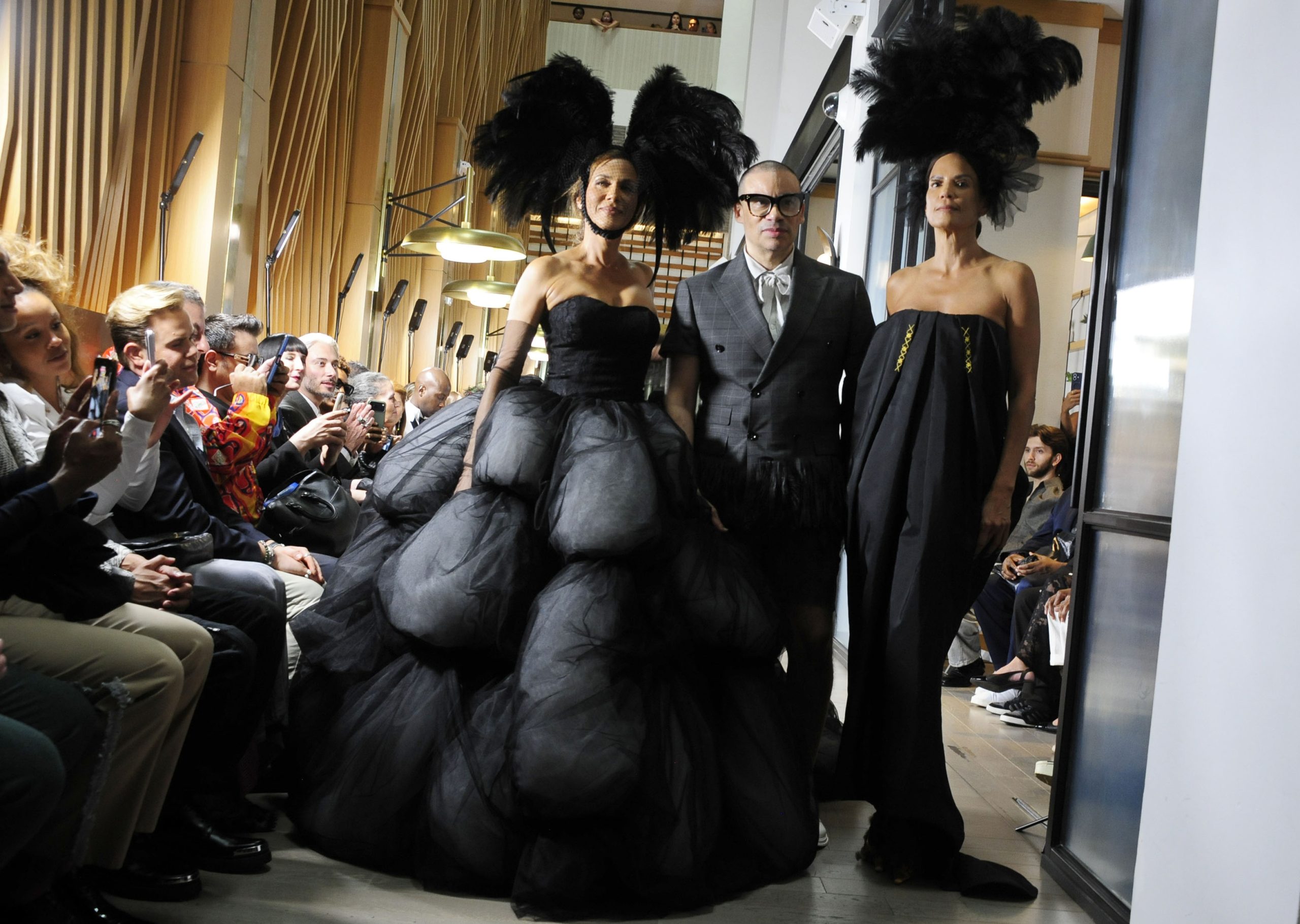
The Victor dE Souza 2027 Spring Summer Collection
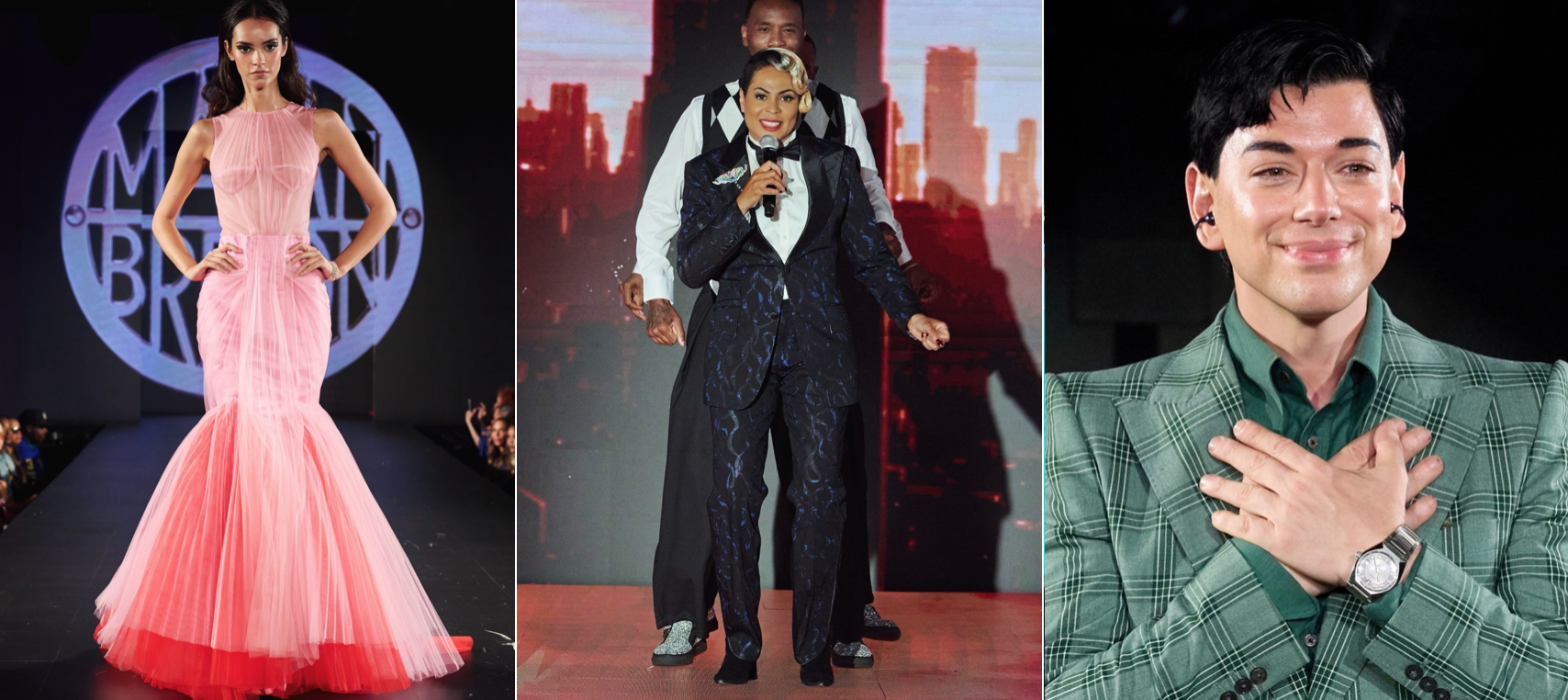
Malan Breton Presents “Garden of a Thousand Tomorrows”
What to Wear to a Summer Wedding as a Guest: A Hamptons Dress Code Guide
Categories
- Art
- Articles
- Business of Luxury
- Celebrities
- Culture
- Entertainment
- Events
- Faces of Summer 2026
- Fashion
- Fashion & Style
- Featured
- Finance
- Food, Spirits, Wine
- Hamptons
- Hamptons Celebrities
- Health
- Health & Beauty
- Lifestyle
- Luxury Lifestyle
- Press
- Profiles
- Real Estate
- Technology
- The Chronicles
- Travel
- Uncategorized
- Weddings