
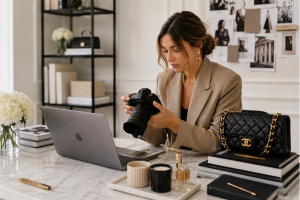
Luxury influencer marketing has changed significantly over the last few years as fashion, beauty, and lifestyle brands have become far more selective about the creators they choose to work with. The bigger the audience, the bigger the perceived value.
Today, luxury brands pay much closer attention to audience trust, aesthetic consistency, professionalism, and long-term brand perception. A creator with millions of followers may still generate enormous visibility, but visibility alone does not necessarily create the kind of exclusivity or credibility luxury brands are trying to maintain.
As a result, many smaller creators with highly curated audiences are now securing partnerships that would have traditionally gone to celebrity influencers or larger lifestyle accounts. Luxury marketing has become less about mass exposure and much more about relevance, positioning, and brand fit.
What Luxury Brands Look for in Influencers
Luxury brands rarely choose influencers based on one factor alone. While reach still matters to some extent, it is usually evaluated alongside a broader set of considerations related to audience quality, image, and long-term alignment.
In luxury fashion and beauty especially, the creator becomes part of the brand story itself. The way they present products, communicate online, photograph content, and interact with their audience influences how consumers perceive the brand as a whole.
Because of this, luxury brands often pay close attention to:
- aesthetic consistency
- audience demographics
- engagement quality
- previous partnerships
- overall tone and presentation
- how selective the creator feels online
A creator can have a large audience and still feel completely wrong for a luxury partnership if the content lacks consistency or does not align with the image the brand wants to project. On the other hand, smaller creators with refined visual identities and highly engaged communities often feel much more valuable because the collaboration appears intentional rather than transactional.
This is particularly visible in beauty and skincare, where consumers care deeply about trust, routines, and credibility. A creator known for consistently discussing luxury skincare or wellness products naturally feels more aligned with premium beauty brands than someone promoting a different category every week.
Why Brand Alignment Matters More Than Reach
Luxury brands spend years building perception around exclusivity, craftsmanship, and identity, which is why partnerships that feel misaligned can damage the brand much faster than they create value.
This is one reason luxury companies increasingly prioritize brand alignment over pure audience size. They are not simply looking for creators who can generate impressions. They are looking for creators whose audience, image, and overall presence already fit naturally within the brand’s universe.
A creator with a smaller but highly curated audience interested in quiet luxury fashion, premium skincare, luxury travel, or designer accessories often creates stronger long-term value than a much larger influencer with a broad but less targeted audience.
Luxury consumers are highly sensitive to inconsistency, and partnerships that feel overly commercial or disconnected tend to lose credibility quickly. When a collaboration feels naturally integrated into a creator’s lifestyle and content, the product becomes part of an aspirational narrative rather than just another advertisement.
Why Audience Trust Matters in Luxury Influencer Marketing
Audience trust has become one of the most valuable assets in influencer marketing, particularly in beauty and luxury categories where purchasing decisions are often emotional and highly perception-driven.
Large creators can absolutely generate awareness during launches or campaigns, but awareness alone does not always create influence. Many luxury brands are realizing that smaller creators often build stronger relationships with their audiences because their content feels more personal, more curated, and less transactional.
Consumers pay close attention to consistency. They notice when a creator genuinely integrates products into their routines over time versus posting sponsorships that feel disconnected from their normal content.
This is one reason luxury skincare and beauty brands increasingly prefer creators whose audiences actively engage with recommendations rather than simply consuming content passively. A creator with 30,000 highly engaged followers discussing products naturally in comment sections can sometimes create more trust than a creator with several hundred thousand followers posting polished sponsorships every few days.
Instead of allocating entire budgets to one large influencer, many luxury brands now spread partnerships across several smaller creators whose audiences feel more engaged and aligned with the brand’s positioning.
Why Professional Creator Presentation Matters
Luxury brands also expect a much higher level of professionalism from creators than they did a few years ago. Influencers are increasingly treated as long-term business partners rather than people simply posting sponsored content online.
Before moving forward with collaborations, brands usually want quick access to:
- audience demographics
- engagement data
- previous partnerships
- campaign examples
- pricing information and deliverables
When this information is scattered across screenshots, emails, or multiple platforms, the collaboration process becomes slower and less efficient. This is one reason creators who appear organized and easy to work with often stand out immediately during brand discussions.
A polished brand collaboration portfolio helps centralize all of this information in one place, making it easier for luxury brands to evaluate whether the creator aligns with the campaign and overall brand image.
Why Luxury Brands Prefer Long-Term Influencer Partnerships
One-off sponsored posts still exist, but many luxury brands now prioritize long-term creator relationships instead of isolated campaigns.
From a consumer perspective, repeated exposure creates much more credibility than a single sponsorship. Audiences are far more likely to trust a creator who consistently integrates a product into their content over time than someone mentioning a luxury item once during a paid campaign and never referencing it again.
This is especially important in beauty, skincare, fashion, and wellness categories where purchasing behavior is closely tied to routine, lifestyle, and identity. Consumers want to feel that the creator genuinely uses the products they recommend.
Smaller creators often perform very well in this environment because their audiences tend to follow them more closely and pay more attention to recurring product mentions throughout their content. Instead of feeling like advertising, the collaboration becomes part of the creator’s normal lifestyle and aesthetic.
For creators, long-term partnerships also tend to create more stability, stronger relationships with brands, and recurring campaigns instead of constantly searching for new sponsorship opportunities.
What Luxury Brands Avoid in Influencer Partnerships
Luxury brands are extremely careful about maintaining consistency, which means they are often just as selective about who they avoid working with as who they choose to partner with.
Creators who overload their content with sponsorships, constantly switch aesthetics, or promote unrelated products too frequently can weaken the exclusivity luxury brands are trying to maintain. A creator promoting designer skincare one day and completely unrelated mass-market products the next often creates confusion around positioning and audience perception.
Brands also pay close attention to factors audiences rarely see publicly:
- responsiveness during campaigns
- communication quality
- reliability with deadlines
- flexibility during revisions
- overall professionalism
Since luxury campaigns often involve agencies, approvals, timelines, and coordinated launches, brands naturally prefer creators who feel organized, selective, and easy to collaborate with.
Why Niche Luxury Influencers Are Growing Faster
The luxury creator space has become much more niche over the last few years, particularly in beauty and fashion. Instead of trying to appeal to everyone, many creators are now building audiences around very specific aesthetics and interests.
Some focus almost entirely on luxury skincare and wellness. Others specialize in quiet luxury fashion, designer accessories, premium beauty routines, or minimalist luxury lifestyles.
That level of specificity makes collaborations much easier for brands because the audience already aligns naturally with the product being promoted. A luxury skincare company targeting consumers interested in wellness and premium beauty, for example, will often get stronger results from a creator already known for that type of content than from a large general lifestyle influencer with a broader audience.
In luxury marketing, relevance and positioning often matter more than pure scale.
How Influencers Manage Luxury Brand Partnerships
What audiences see publicly is usually only a small part of how luxury influencer partnerships actually operate behind the scenes. Beyond content creation itself, creators spend significant time managing approvals, contracts, deliverables, timelines, reporting, and communication with agencies and brands.
As creators grow, the operational side of partnerships becomes increasingly important. Producing visually beautiful content is no longer enough on its own. Organization, communication, and presentation all become essential parts of maintaining long-term relationships with premium brands.
This is one reason many creators now rely on tools like CreatorsJet to organize collaborations, centralize campaign information, and manage partnerships more professionally behind the scenes.
Why Smaller Luxury Influencers Are Winning Right Now
The luxury influencer industry has become far more selective and relationship-driven than it was a few years ago. While follower count still matters, luxury brands increasingly care more about trust, consistency, professionalism, and long-term brand alignment than simply choosing the biggest creator available.
Many of the creators securing the strongest luxury partnerships today are not necessarily the loudest or most viral. More often, they are the creators who feel the most curated, consistent, and naturally aligned with the image luxury brands want to protect.
Author

Written by
Recent Posts

The First Decision After a Collision Can Be the Most Important One
Two Weeks in Rome and Beyond: Turkish Airlines Itineraries from Boston, Chicago and Onward to India

Top 10 Hair Transplant Clinics in Turkey 2026
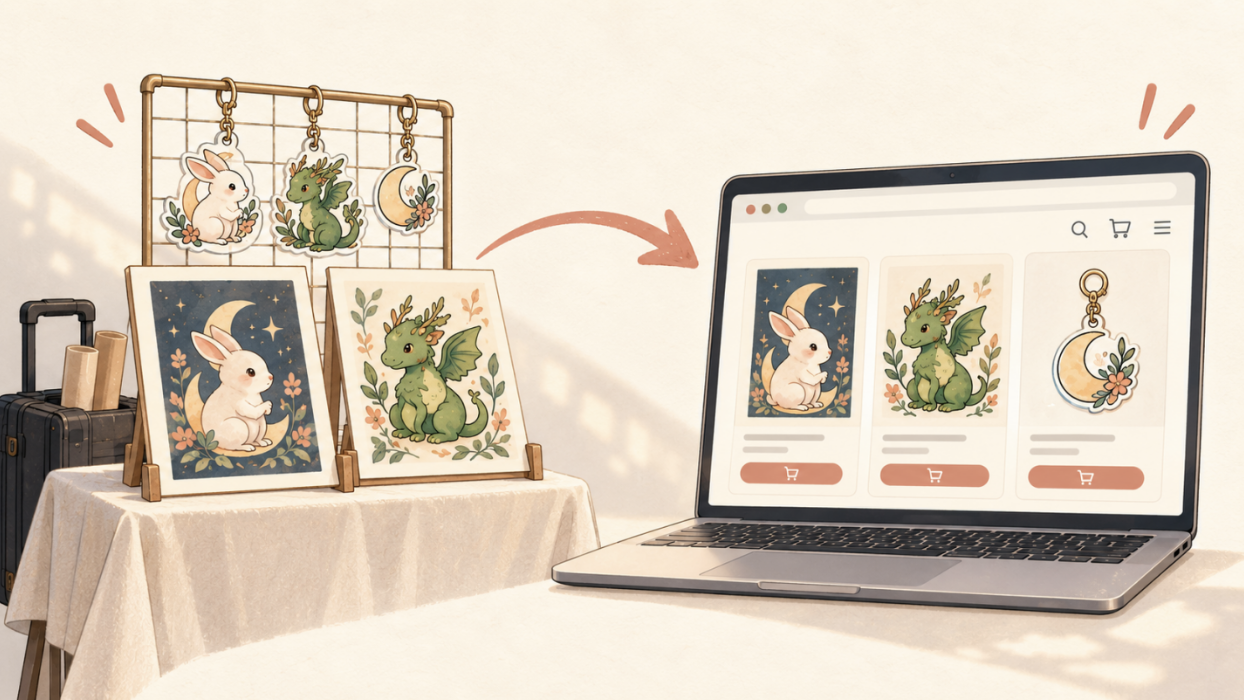
Artist Alley to Online Store: How Convention Artists Can Keep Selling After the Event
When an 18-Wheeler Crash Leaves Lasting Consequences
Categories
- Art
- Articles
- Business of Luxury
- Celebrities
- Culture
- Entertainment
- Events
- Faces of Summer 2026
- Fashion
- Fashion & Style
- Featured
- Finance
- Food, Spirits, Wine
- Hamptons
- Hamptons Celebrities
- Health
- Health & Beauty
- Lifestyle
- Luxury Lifestyle
- Press
- Profiles
- Real Estate
- Technology
- The Chronicles
- Travel
- Uncategorized
- Weddings