
Outdoor Cane garden furniture brings timeless natural warmth and woven beauty to patios, gardens, and terraces. With growing demand for outdoor living, choosing durable pieces is essential — the right set lasts years, while poor-quality ones fail within a season.
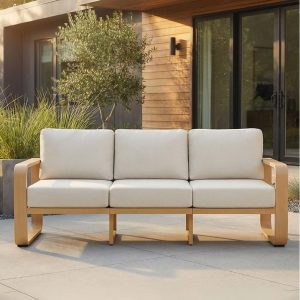
Cane vs. Rattan vs. Wicker
- Rattan: A tropical vine-like palm; strong and flexible.
- Cane: The outer peel of rattan, often used in open-weave patterns.
- Wicker: A weaving technique, not a material.
For outdoor use, natural cane/rattan is beautiful but vulnerable to moisture and UV damage. Most modern “cane-style” outdoor furniture uses synthetic resin wicker — UV-stabilized, weather-resistant, and far more durable. Choose synthetic for exposed areas; natural cane works in covered spaces with proper care.
What Makes It Durable
- Frame Materials
- Aluminum (powder-coated): Best choice — lightweight, rust-proof, stable.
- Steel: Strong but needs good coating to prevent rust.
- Wood (teak, acacia, eucalyptus): Attractive but requires sealing. Look for solid construction, tight joinery, and no flex.
- Weave Quality
High-quality synthetic wicker has tight, consistent, smooth weaving with secured ends. Avoid loose, uneven, or sharp weaves that will sag or unravel.
- Cushions & Fabric
Choose solution-dyed acrylic or polyester with water-resistant, quick-dry foam. Removable, washable covers are ideal. Solution-dyed fabrics resist fading best.
Choosing the Right Style
Measure your space carefully. Avoid oversized sofas in small areas or tiny sets in large ones. Leave 60–90 cm circulation space. Match style to your home’s architecture — clean modern lines for contemporary houses, ornate pieces for traditional settings.
Define functional zones: conversation sets for entertaining, swivel chairs for quiet mornings, or dining sets as needed. Neutral colors (grays, taupes, blacks) offer versatility.
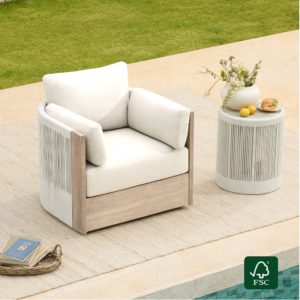
Maintenance
Synthetic wicker is low-maintenance:
- Monthly gentle cleaning with mild soap.
- Use soft brush and low-pressure hose.
- Store cushions indoors or use protective covers in bad weather.
- Avoid high-pressure washers and harsh chemicals.
Natural cane needs occasional oiling/sealing in sheltered areas.
Sustainability
Prioritize FSC-certified wood and long-lasting pieces. Quality furniture that lasts 10–15 years has a smaller environmental footprint than cheap sets replaced frequently. Some brands now use recycled polymers and offer recycling programs.
Final Tips
Focus on frame strength, weave quality, and climate-appropriate materials. Test pieces in person, check specifications, and invest in quality. Well-chosen outdoor cane furniture creates a beautiful, long-lasting outdoor living space you’ll enjoy for years.
Author

Written by
Recent Posts
How to Measure Whether a Hair Loss Treatment Is Working
Is Online Psychiatry Covered by Insurance? What to Know Before Booking
Four Habits of Quietly Successful Entrepreneurs

The Most Common Preventable Health Concerns Doctors See Today
What Affects a Rideshare Injury Settlement?
Categories
- Art
- Articles
- Business of Luxury
- Celebrities
- Culture
- Entertainment
- Events
- Faces of Summer 2026
- Fashion
- Fashion & Style
- Featured
- Finance
- Food, Spirits, Wine
- Hamptons
- Hamptons Celebrities
- Health
- Health & Beauty
- Lifestyle
- Luxury Lifestyle
- Press
- Profiles
- Real Estate
- Technology
- The Chronicles
- Travel
- Uncategorized
- Weddings