

Most personal branding for founders gets built backward. A founder pours the budget into ads for the company and stays invisible himself. The company looks fine on paper. The person behind it is a stranger. By Labor Day the brand has spend and reach, and still nobody in the room knows who is running it.
Another founder did the opposite. He spent nothing on company ads. He earned a feature about himself in a magazine the right people read, and let the story put a face on the business. By fall the doors that never opened were opening, since people finally knew who they would be dealing with.
This is the truth most founders miss. When you are the brand, the company cannot be the story. You are the story, and the room invests in the person long before it trusts the logo.
So the question is not how polished your company looks. The question is whether the right people trust you. Get that right and every venture you touch borrows that trust. Get it wrong and you are a good company nobody can vouch for.
Read this as a buyer’s guide to a market most founders misread. The page is for sale. The trust in your name is what it buys.
Get this right and your name opens the room before you walk in. Get it wrong and you keep buying reach that introduces no one. The difference is not budget. The difference is whether the right people know who you are.
When You Are the Brand, the Story Is the Company
For a founder, the person and the company are the same asset. People do not buy the logo first. They buy you, and the logo comes along for the ride.
So an ad for the company misses the point. It sells a product while the room is trying to decide about a person. By contrast, a feature about the founder answers the question the room is actually asking, which is whether you are worth backing.
This is why the smartest founders put themselves on the page. They know the company rises with the person, since one feature about the founder lifts every venture under him. Because the trust attaches to the name, it travels everywhere the name goes.
This is the same logic that runs every curated room out here. The full case for why the right people beat the big numbers gets made in the guest list is the product. A founder is that case with a name on it.
A Feature Is Social Proof You Cannot Buy Twice
Every founder wants social proof. It is the thing that makes the next deal easier and the next room warmer. So the real question is where that proof comes from.
An ad gives you none of it. Everyone knows you bought the space, so it proves only that you had the budget. By contrast, a feature is a third party choosing to write about you, and that choice is the proof itself.
So the story does the vouching you cannot do for yourself. You can say you matter all day and it changes nothing. When the magazine says it, the room believes it, since the trust is borrowed from a title the room already respects.
This is the proof that keeps working. You point to it in the pitch, the partnership, the first meeting with someone who has not met you. Because someone else said it, the claim lands harder than any line on your own deck.
So stop paying to be seen. Start earning the right to be vouched for. One proves you had a budget. The other proves someone with taste bet on you.
The Room Backs People, Not Logos
Here is the part that makes the Hamptons unfair in your favor. The people who write checks and open doors are already out here. You do not have to chase them, since they spend the season in the same rooms you want to be in.
These are exactly the people a founder needs. They back people they have heard of, they prefer the known quantity, and they move in circles that trade names. So reaching them through a trusted page is worth more than reaching ten thousand strangers, because each one can open a door no ad ever could.
This is why a feature beats a campaign for a founder. The campaign sells a product to everyone. The feature introduces a person to the few who matter, and an introduction is what actually moves money out here.
So you are not buying impressions. You are buying recognition among the people whose recognition changes your life. That is a different purchase entirely, and it is the only one a founder should make.
So stop measuring this in impressions. Measure it in the people who would take your call. One warm introduction beats a million strangers, since money moves on names, not numbers.
Your Origin Is the Asset
Every founder has a company. Few have told their story well. The story is why you started, what you believe, what you walked away from to do this, since those are the things people actually remember.
So the work is not to describe the business. The work is to tell the one true story only you can tell. Because that story is yours alone, no competitor and no copycat can run the same play.
This matters most when the product is easy to copy. On paper, two founders in the same space can look identical. By contrast, the one with a story becomes the one with a following, since people follow a person, not a feature set.
So the budget question changes. It stops being how much to spend on ads. It becomes how well you can tell your story, since the story is the part that follows you for life.
The version that turns your story into a feature starts at a paid feature. It is the on-ramp to the page, built around a story that is actually true.
Why an Ad Is the Wrong Buy
It helps to name the ad’s exact mistake. It chases volume, when a founder runs on trust. So it counts impressions, a number that means little, while ignoring whether anyone who matters now knows your name.
The ad also points at the wrong thing. It markets the product when the room is deciding about the person. And a stranger with a slick ad is still a stranger, since reach is not the same as recognition. By contrast, the featured founder is a known name, and known names get the call back.
So the ad wins the metric and loses the market. It feels productive, since the numbers climb. Yet the climbing is the problem, not the proof. Because volume reads as anonymous, the loud campaign keeps the founder a stranger to the very people who could back him.
Substance Reads as Status
The room can smell a vanity profile from across the lawn. So a feature that only flatters does nothing, since everyone knows how it got there. The founders who win bring substance instead.
So lead with a real point of view. A belief, a stand, a thing you do differently and can defend, since substance is what earns the second read. Because the story says something true, it reads as earned rather than bought.
This is where some founders overreach. They want the feature to crown them. By contrast, the smart founder lets the work speak, because the room respects the person who seems to have better things to do than seek the spotlight.
How a Founder Earns the Feature
Earning the feature is not about spending the most. It is about showing up with something worth telling. The page respects a founder who brings a real story over one who just wants to be seen. So bring the story, not just the budget.
The founders who rise tend to do three things. First, they lead with a point of view, not a pitch deck. Second, they keep the tone confident and unhurried. Third, they return, because the page rewards the familiar name the way a regular earns the warm greeting.
So treat the first feature as a deposit, not a campaign. You are buying a place in the room’s memory. That memory compounds across seasons. Because the standing is cumulative, the patient name passes the splashy one within a year.
This whole grammar of rank sits inside the broader map of the region. The full read on how status gets sorted lives in luxury status codes. A founder’s name is one of its most portable forms.
The same play runs for the brands beside you. A restaurant earns its reputation the same way. A fashion designer earns the editorial the same way. And the whole approach starts at the hub, the feature is the flex.
What the Right Press Returns
Here is the part the numbers will like. A feature does not pay off the day it runs. It pays off for years, since your name carries it into every room you walk into next.
So the return is not measured in impressions. It is the warm introductions, the easier raises, the partners who took the call because they had heard of you. Because recognition compounds, each story makes the next door open faster.
The proof also follows you across ventures. A product ad dies with the product. A founder’s reputation moves to the next company, since the trust was always in the name, not the logo.
This is the math that separates lasting founders from flares. The flare buys reach and stays a stranger. By contrast, the lasting founder earns the story, banks the recognition, and lets the name open the doors.
So run the comparison honestly. A year of ads nobody connects to you, against one story that makes you known. Framed that way, the feature is the asset and the ad is the leak.
Reading the 2026 Season
The summer runs on a clock. Five issues land between Memorial Day and Labor Day, and the right story has to be placed before the season it belongs to.
So the timing is now. The founders who earn the summer are the ones that started the conversation in spring, since the best slots fill early. By the time a founder is ready in July, the season is already spoken for.
The same people who read the issue fill the field at Polo Hamptons on July 18 and 25 in Bridgehampton. So a feature and a presence work together, since the reader and the guest are the same person you want to meet.
Last season the best slots were claimed by spring. So the founders who win are the ones reading this now, not the ones calling in July.
Where the Conversation Continues
A fish does not notice the water, and the ad-buying founder never notices he is funding the one thing the room overlooks. The featured founder crossed that water and stopped renting reach he could not keep. Reading the difference is the whole game, and it is the one we play for a living.
If you want the right people to know your name this season, start with the contact page. We help the right founders become the names the room reads.
For the version that puts your story inside the magazine, look at a paid feature. Because it is editorial, it earns a trust an ad never could.
Want the slots before they fill? Get on the insider list. So far it is the earliest read on the season we share.
For the field where those people gather, there is Polo Hamptons on July 18 and 25 in Bridgehampton. Since the feature and the field work together, the early founder wins both.
Readers who want the season decoded all year can take a subscription. After all, the room is easier to read once someone hands you the map.
And if you have ever built something real and stayed a stranger, you can support the work. Of course the room still decides. We just help your name reach it.
Author

Written by
Recent Posts

The First Decision After a Collision Can Be the Most Important One
Two Weeks in Rome and Beyond: Turkish Airlines Itineraries from Boston, Chicago and Onward to India

Top 10 Hair Transplant Clinics in Turkey 2026
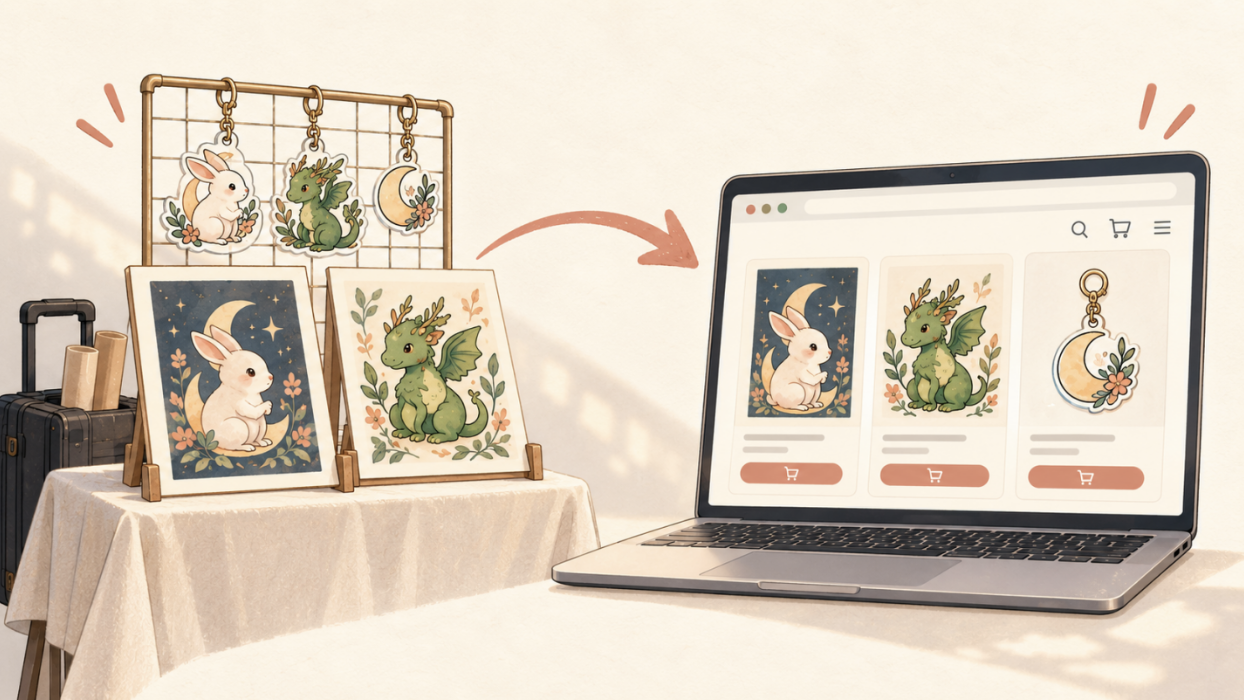
Artist Alley to Online Store: How Convention Artists Can Keep Selling After the Event
When an 18-Wheeler Crash Leaves Lasting Consequences
Categories
- Art
- Articles
- Business of Luxury
- Celebrities
- Culture
- Entertainment
- Events
- Faces of Summer 2026
- Fashion
- Fashion & Style
- Featured
- Finance
- Food, Spirits, Wine
- Hamptons
- Hamptons Celebrities
- Health
- Health & Beauty
- Lifestyle
- Luxury Lifestyle
- Press
- Profiles
- Real Estate
- Technology
- The Chronicles
- Travel
- Uncategorized
- Weddings