
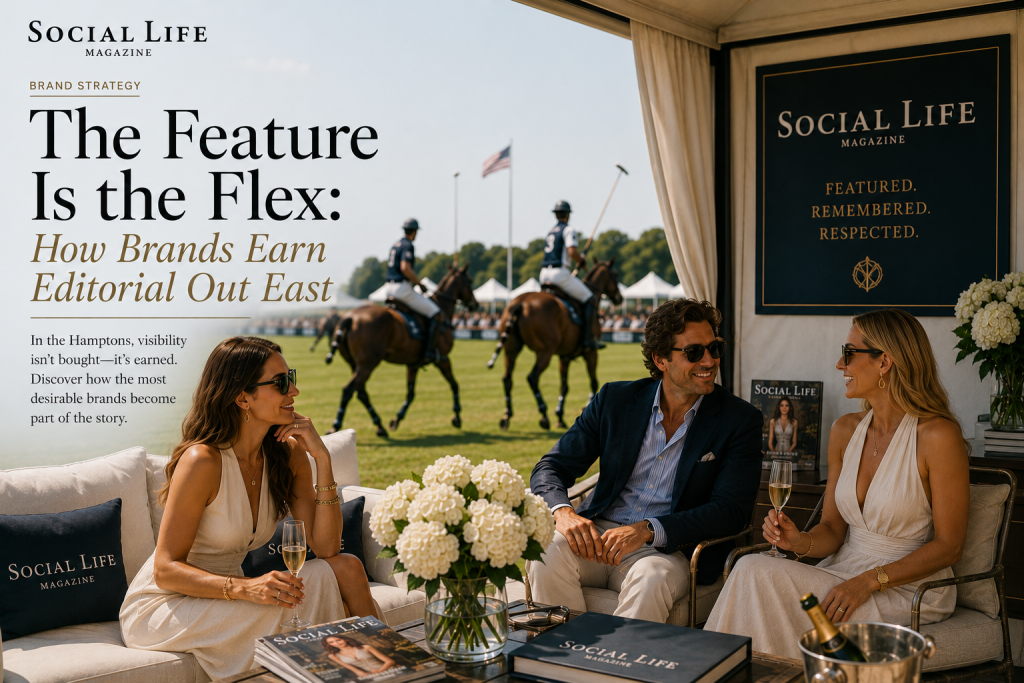
Two brands spent the same money last summer. One bought a stack of ads and watched people scroll past every one of them. The other chose to earn editorial in a magazine the right people actually read, and by Labor Day it was the name dropped at dinner. Same budget, two different outcomes, because an ad rents a second of attention while a story confers something money cannot fake.
This is the whole game out here, and most owners never see it. They think press is about exposure. It is not. Press is about legitimacy, since a feature tells the room that someone with taste decided you were worth the page.
The feature is the flex. Not the ad, not the boosted post, not the billboard on the highway. The flex is being chosen, and being chosen is what the right reader trusts.
So the question for any luxury brand is not how loud it can shout. The question is whether it can earn the story. Get that right and you borrow the magazine’s standing for years. Get it wrong and you are one more ad nobody remembers.
Read this as the map. It explains why editorial beats advertising out here, and it points you to the exact play for your kind of brand.
So treat it as a buyer’s guide to a market most owners misread. The page is for sale. The story is not, and the story is the part that pays.
An Ad Rents Attention. Editorial Confers Status.
An ad is something you buy. Everyone knows you bought it. So it carries exactly the weight of a thing that was paid for, which is to say almost none.
Editorial works the other way. A feature reads as a verdict, since a publication put its name beside yours. Because the magazine has its own standing, that standing rubs off on the brand inside it.
So the same page does two different jobs depending on how it got there. The ad says you wanted attention. The feature says you earned it. And the reader can tell the difference without thinking about it.
So stop paying to be seen. Start earning the right to be believed. One is a cost. The other is an asset that keeps working while you sleep.
This is the same logic that sorts everything out here. The full read on how status gets handed out lives in luxury status codes, and editorial is one of its loudest currencies.
Why the Room Trusts a Story and Skips an Ad
People out here are fluent in being sold to. They have seen every ad trick twice. So an ad triggers the reflex to look away, since the reader knows exactly what it wants from them.
A story does not trip that reflex. It reads as information, not a pitch, so the guard stays down. Because the reader chose to read it, the brand inside arrives as something discovered rather than pushed.
Discovery is the whole prize. A brand a reader feels she found becomes hers, and she defends it the way she defends her own taste. By contrast, a brand that shouted at her stays a stranger no matter how often it shouts.
So the move is to stop interrupting and start being found. The interrupting brand gets resented. The found brand gets adopted, since being found feels like the reader’s own idea.
This is the same reason the right room beats the big crowd. The case for that gets made in the guest list is the product, and editorial runs on the very same rule.
The Feature Is a Credential, Not a Billboard
Think about what a feature actually becomes after it runs. It is not a one-day impression. It is a credential you carry, since you can point to it for years.
The smart brands use it everywhere. On the site, in the deck, in the first conversation with a new client. Because a third party said it, the claim lands harder than anything the brand could say about itself.
So a feature keeps paying long after the issue leaves the newsstand. The ad is gone the day the campaign ends. The story stays, and it keeps doing the convincing in rooms you will never be in.
This is also how the ladder of placement works in the field. The way brands climb that ladder gets taken apart in the cabana index, and editorial sits on one of its highest rungs.
What a Story Does That a Logo Cannot
A logo asks to be remembered. A story makes you worth remembering. That is the whole gap between the two.
People do not repeat logos at dinner. They repeat stories. So a feature gives the room something to actually say about you, which is the only way word travels.
This matters most for the brands that look like their rivals. On paper, three medspas or three restaurants can read the same. By contrast, the one with a story becomes the one with a name, since the story is the difference the room can feel.
So the work is not to describe the brand. The work is to find the story only your brand can tell. Because that story is yours alone, no rival can run the same play.
This is also why a story ages well. A logo looks dated within a year. A good story still reads true a decade later, and it keeps introducing you the whole time.
What Earning It Actually Looks Like
Here is the part people get wrong. Earning editorial does not mean waiting and hoping a writer notices you. It means giving the magazine a story worth telling, then making it easy to tell.
That is what a paid feature really is. It is not buying a verdict, since the story still has to be real. It is buying the access and the craft to get a true story told well, by people who know how to make it land.
So the brands that win bring something true to the table. A point of view, a founder worth meeting, a reason the room should care. Because the story is real, it reads as real, and real is the only thing that converts.
So bring the truth and we bring the craft. The story has to be real, but real does not have to mean told badly. Good features are true things told the way the room wants to hear them.
The version that puts your brand inside the magazine starts at a paid feature. It is the legitimate on-ramp to the page, not a shortcut around the story.
Your Vertical, Your Way In
The play is the same for everyone, but the door is different for each kind of brand. So here is the exact way in for yours.
Run a medspa? The whole game is prestige and referral, and a feature does what an ad never can. Start with how a medspa gets press. For a restaurant or chef, the story is the table everyone wants, and the read on that is how a restaurant earns a feature.
Founders are a different animal, since the brand is the person. The play for that lives in luxury personal branding for founders. A fashion designer needs the editorial that a campaign cannot buy, and the move there is how a designer gets the editorial.
Curious what the cover itself is worth? That answer sits in what a magazine cover actually does for a brand. And wellness studios, where trust is everything, get the playbook in how a wellness studio builds prestige press.
The Mistake Most Brands Make
The common mistake is treating press like advertising. Owners ask how many people will see it. They count the reach and miss the point entirely.
Editorial is not a numbers game. It is a trust game, since one feature in the right magazine outweighs a million cheap impressions. Because the few readers who matter trust the title, the brand inside inherits that trust.
So the brands that chase reach buy ads and stay invisible. The brands that chase legitimacy earn editorial and become known. After all, being known by the right people is the only kind of known that pays out here.
Press Is the Cheapest Trust You Can Buy
Run the real math on trust. A new client has to believe you before they spend. So every brand pays to build that belief, one way or another.
Advertising buys belief slowly and at full price. You repeat the message until it sinks in, and you pay for every repetition. Because nobody trusts an ad, you need a hundred of them to move one mind.
Editorial buys belief in one move. A single feature does the convincing that a hundred ads attempt, since the trust is borrowed from the title. So per unit of belief, the story is the cheapest thing on the menu.
This is why the smartest owners stopped counting impressions. They started counting credibility instead. And credibility is the only number that shows up in revenue.
How the Feature Compounds
One feature is a start, not a finish. It opens the door, and what matters is what you do once it is open.
The brands that win treat the first feature as a deposit. They show up again, they build the relationship, and they let the magazine watch them grow. Because the title keeps choosing them, the standing compounds into something a competitor cannot buy in a single season.
So the math favors the patient brand. The one-off ad is spent the moment it runs. The feature relationship pays out for years, since each story makes the next one land harder.
So the brands that treat press as a habit pull away from the ones that treat it as a stunt. The habit compounds quietly. The stunt fades by fall.
This is the same compounding that runs the whole region. The longer read on how that standing accrues lives in luxury status codes, and editorial is the fastest way onto the board.
Reading the 2026 Season
The summer runs on a clock. Five issues land between Memorial Day and Labor Day, and the right story has to be placed before the season it belongs to.
So the timing is now. The brands that earn the summer are the ones that started the conversation in spring, since the best slots fill the way the best cabanas do. By the time a brand is ready in July, the season is already spoken for.
The same crowd that reads the issue fills the field at Polo Hamptons on July 18 and 25 in Bridgehampton. So a feature and a presence work together, since the reader and the guest are the same person.
Last season the best slots were claimed by spring. So the brands that win are the ones starting the conversation now, not the ones calling in July.
Plan the story now and you own the season. Wait and you watch someone else become the name the room repeats.
Where the Conversation Continues
A fish does not notice the water, and the ad-buying brand never notices it is paying for the one thing the room ignores. The featured brand crossed that water and stopped renting attention it could not keep. Reading the difference is the whole game, and it is the one we play for a living.
If you want to earn the story this season, start with the contact page. We help the right brands become the ones the room reads.
For the version that puts your brand inside the magazine, look at a paid feature. Because it is editorial, it earns a trust an ad never could.
Want the slots before they fill? Get on the insider list. So far it is the earliest read on the season we share.
For the field where those readers gather, there is Polo Hamptons on July 18 and 25 in Bridgehampton. Since the feature and the field work together, the early brand wins both.
Readers who want the season decoded all year can take a subscription. After all, the room is easier to read once someone hands you the map.
And if you have ever run a flawless ad and heard nothing back, you can support the work. Of course the room still decides. We just help your story reach it.
Author

Written by
Recent Posts

AI for personal finance: where PennyGuard fits
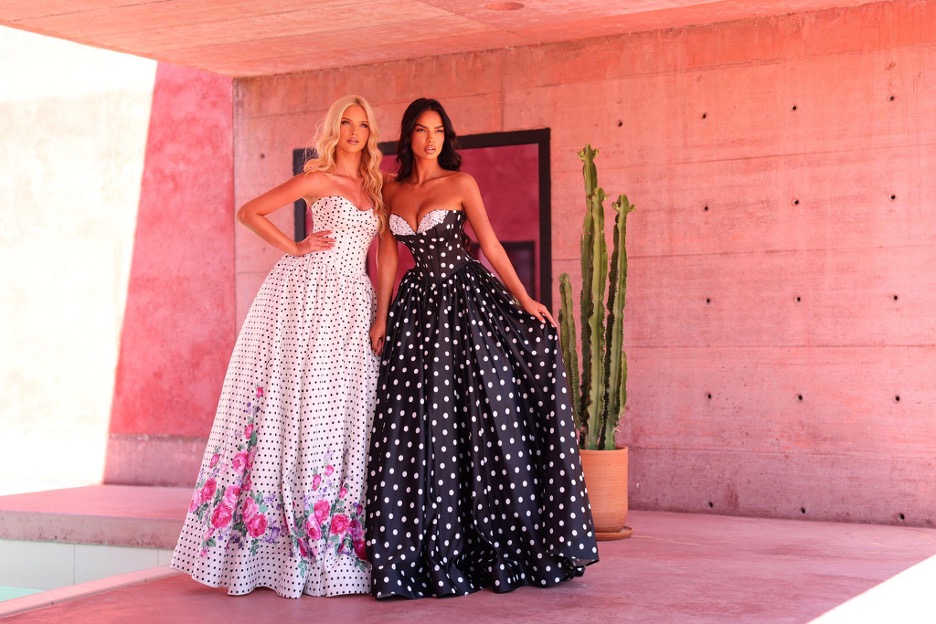
How to Pick a Homecoming Dress for Your Body Type (and Feel Amazing in It)

World Cup Injury Attorney for Vancouver Events
What a 3-Carat Engagement Ring Actually Costs in 2026: The Real Numbers
The Skincare Habits That Make a Real Difference Over Time
Categories
- Art
- Articles
- Business of Luxury
- Celebrities
- Culture
- Entertainment
- Events
- Faces of Summer 2026
- Fashion
- Fashion & Style
- Featured
- Finance
- Food, Spirits, Wine
- Hamptons
- Hamptons Celebrities
- Health
- Health & Beauty
- Lifestyle
- Luxury Lifestyle
- Press
- Profiles
- Real Estate
- Technology
- The Chronicles
- Travel
- Uncategorized
- Weddings