
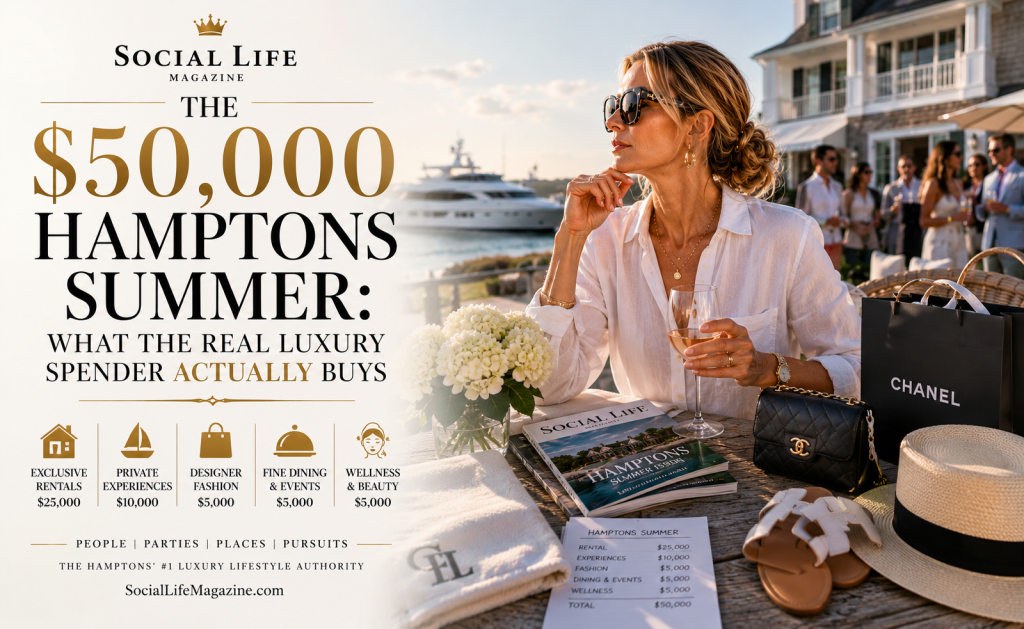
Fifty thousand dollars is not a precise figure. It fits no demographic model currently in use.
It looks like this: a rental share on Further Lane or Meadow Lane, running between $15,000 and $40,000 for the season. A summer wardrobe assembled not from a single shopping trip but from a series of considered acquisitions. Restaurant bills across twelve weekends that reach a number most households treat as an annual figure. Event tickets and contributions. A rotation of treatments at the aesthetics and wellness practices the right people in her network have already vetted.
The fifty thousand dollars is, in any given year, the operating cost of a specific summer identity. It is not a budget. It is a commitment to a version of herself. Constructed and maintained on the East End between Memorial Day and Labor Day.
What she buys and ignores is not predictable by income, age, zip code, or any standard demographic variable. They are predictable only by understanding how she constructs that summer identity. Which forms of capital she is investing. Which brands belong in the version of herself she presents at a polo match in Bridgehampton.
Understanding Hamptons luxury spender psychology means understanding identity construction, not consumption behavior.
The Asymmetry of Hamptons Spending
The most counterintuitive thing about the $50,000 Hamptons summer is not its size. It is its asymmetry. The same person who spent $4,500 on a dress she will wear twice drives forty minutes to save $8 on tomatoes.
This asymmetry is not irrational. It is a precise expression of where cultural capital is at stake and where it is not. The dress is a public statement. It is worn to events where the audience includes people whose opinion of her self-presentation she cares about. In her accounting, $4,500 for a correct dress in the right room is a reasonable price for a strong cultural capital investment.
The $12 tomatoes are a domestic decision. They are not public. They are not read by anyone. Paying $12 for tomatoes when $4 ones are available from a trusted source is simply not understanding where value comes from.
This asymmetry is why luxury brands that try to reach the $50,000 summer through broad luxury positioning often miss. She does not respond to luxury as a general category. She responds to the specific forms of luxury that serve her identity construction in the specific social contexts where that construction happens. Those contexts are precise. A brand in the wrong register does not register as relevant — even a demonstrably excellent one.
The brands that reach her are the ones that demonstrate they understand the specific social grammar of the Hamptons summer. Social Life Magazine, distributed at the specific addresses where that grammar is spoken, is the medium that communicates this understanding most directly.
What She Is Actually Buying
Specifically, she is buying correct choices. Not good choices, not high-quality choices — correct choices. Correct means recognized as appropriate by the specific social audience that matters to her in the Hamptons context.
A correct choice is a bottle of wine that the host at a dinner on Ox Pasture Road will open without setting aside. For example, a correct spa is the one that three women in her network mentioned in the same conversation without prompting. A correct publication is the one sitting on the coffee table in the right houses since before she started summering here.
These correctness determinations are not made by her alone. They are socially constructed, through the network conversations and shared observations that constitute the informal editorial process of the Hamptons luxury market. What is correct shifts slowly. Still, the network has its own conservatism: it rewards brands that have proven correctness over time more readily than new entrants. But it does shift. The shifts are initiated by the outlier buyer. She adds a new brand to her correctness vocabulary and communicates that addition through the network.
For a luxury brand trying to reach the $50,000 summer, the strategic question is not reach. It is entry into the correctness vocabulary of the network that determines what belongs in this summer.
In fact, Social Life Magazine is one of the primary channels through which that correctness vocabulary is maintained and updated. A feature in its pages is not just media coverage. It is a nomination for inclusion in the summer’s correctness vocabulary. Delivered through the editorial institution the Hamptons social network has trusted for twenty-three years.
Submit a paid feature at sociallifemagazine.com/submit-a-paid-feature and enter the conversation.
Where The Conversation Continues
The $50,000 summer is one lens on the outlier buyer who drives Hamptons luxury consumption. The full hub: The Outlier Buyer: Why Hamptons Luxury Brands That Chase the Average Customer Finish Last.
Sibling spokes: Why the Best Hamptons Brand Activations Are Designed for Six People (FUTURE) and The Early Adopter Trap (FUTURE).
The pillar: Why Luxury Brands That Ignore Psychology Lose the Hamptons Every Summer.
Author

Written by
Recent Posts
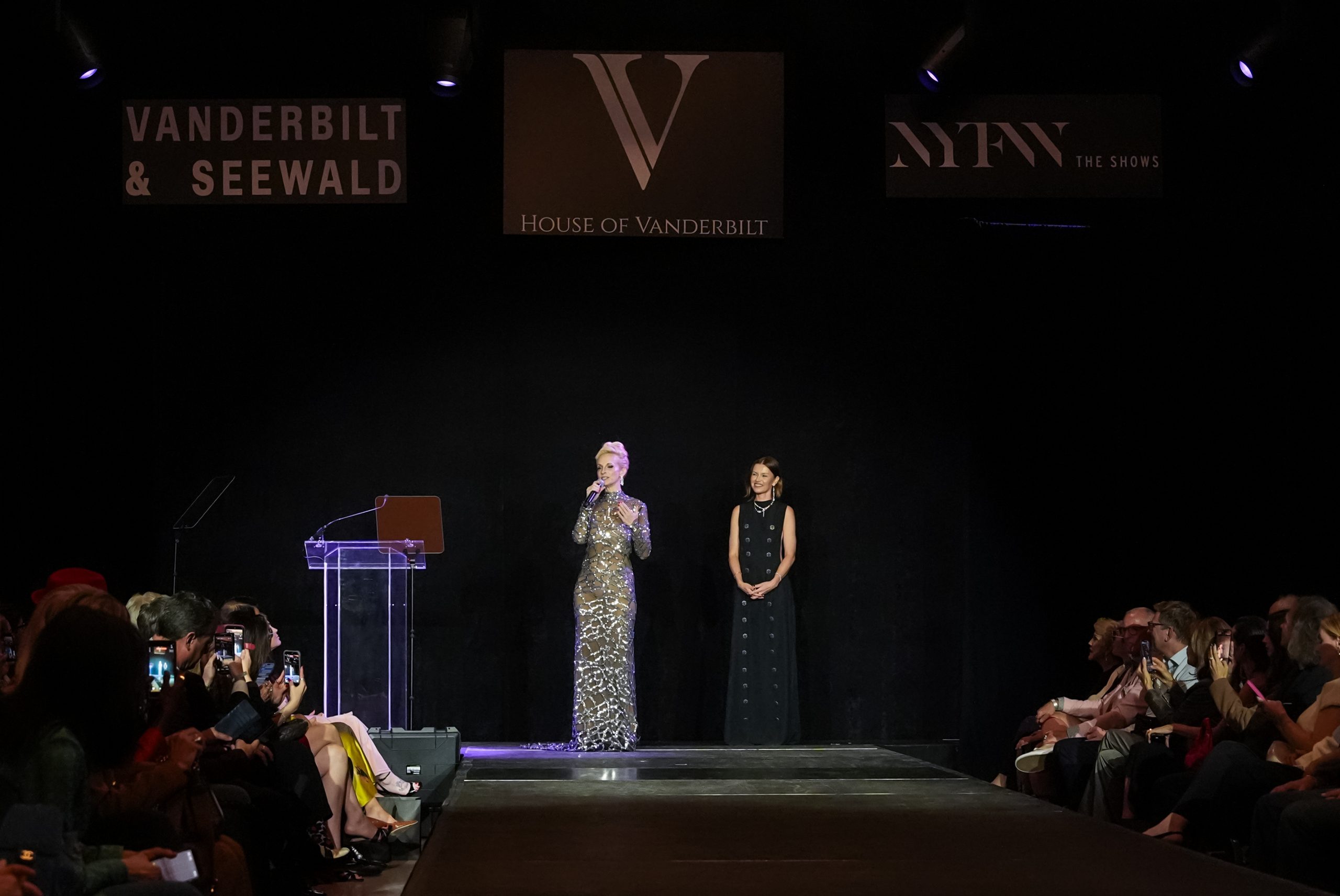
Vanderbilt & Seewald
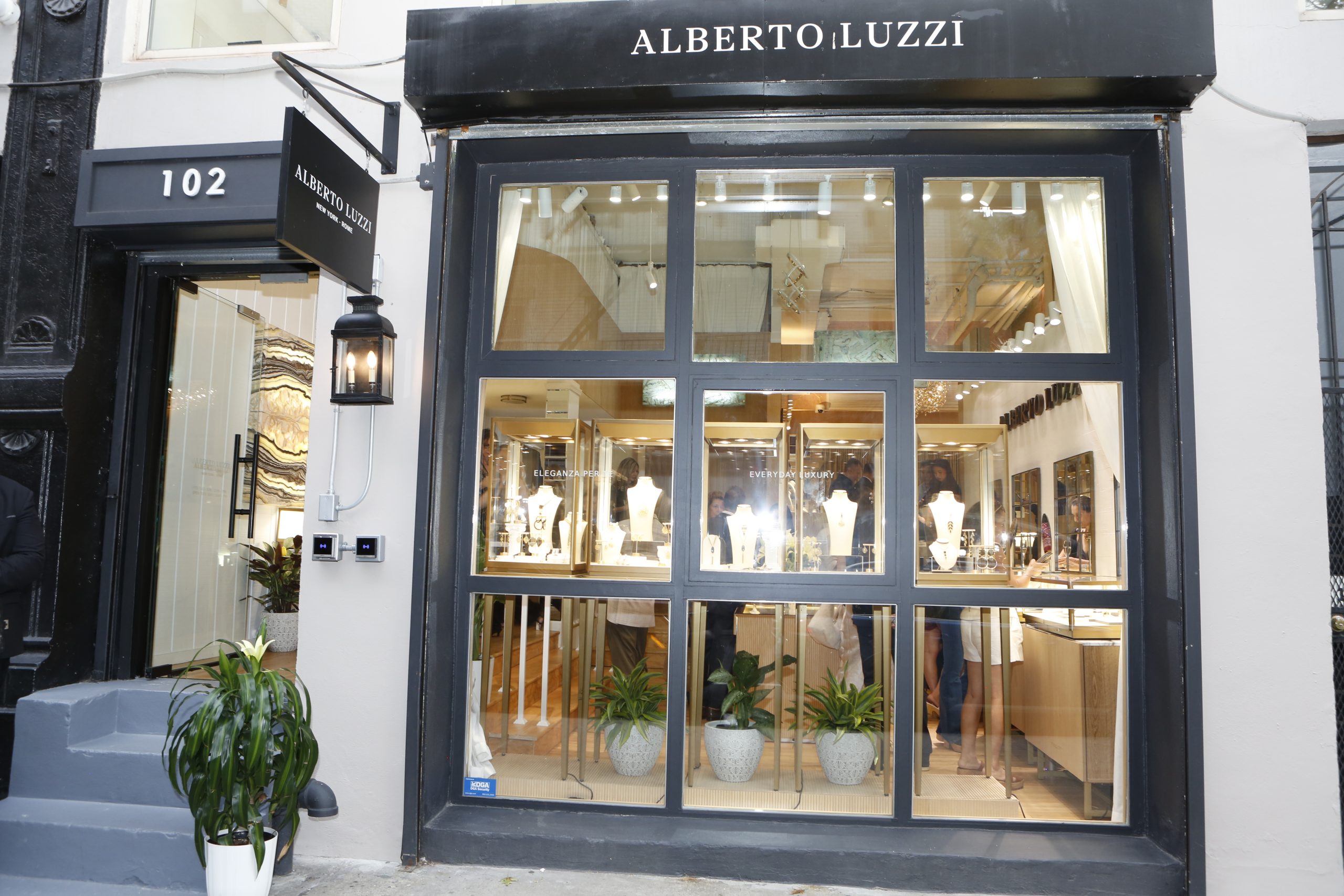
Alberto Luzzi Opening of Fine Jewelry Room
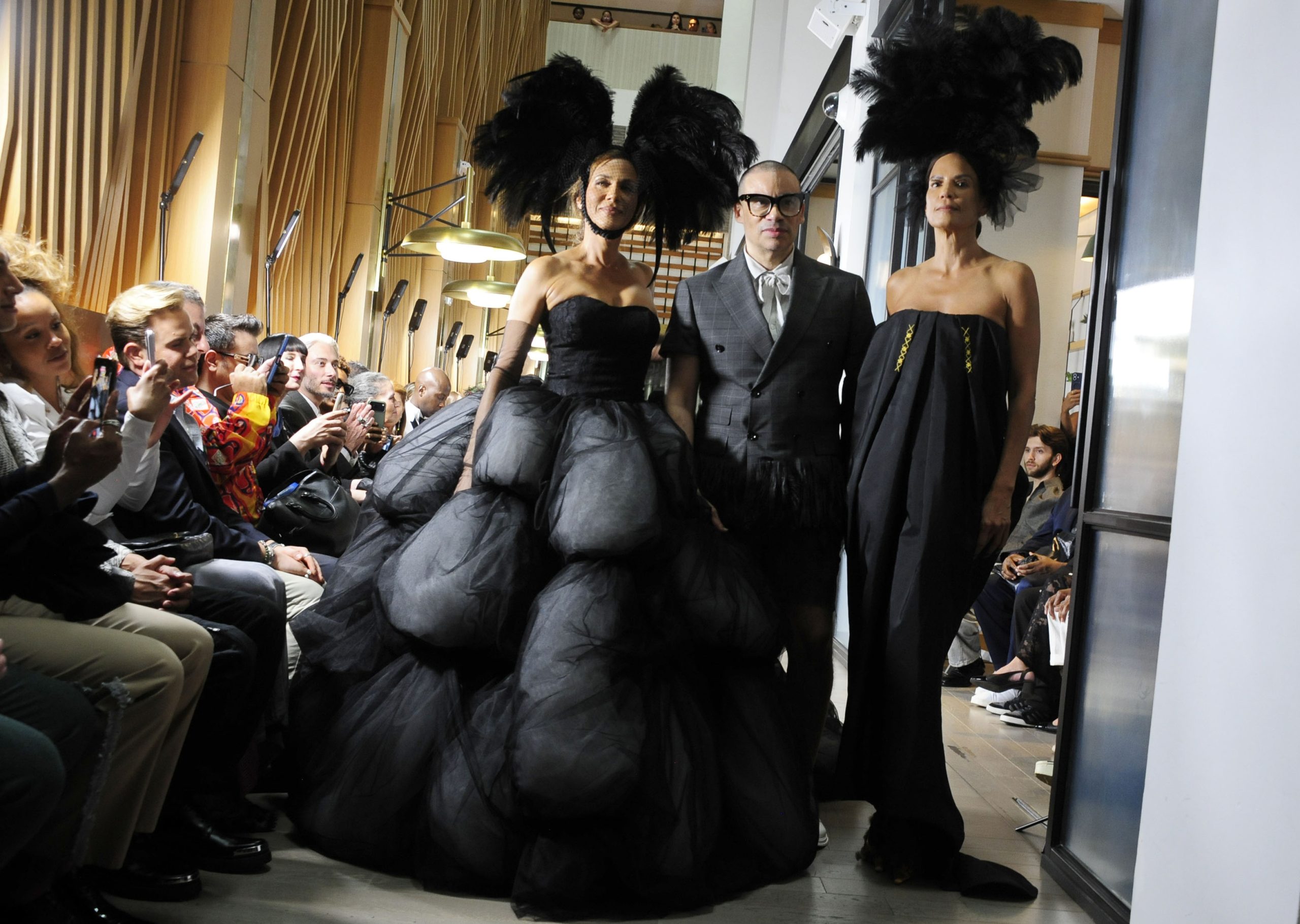
The Victor dE Souza 2027 Spring Summer Collection
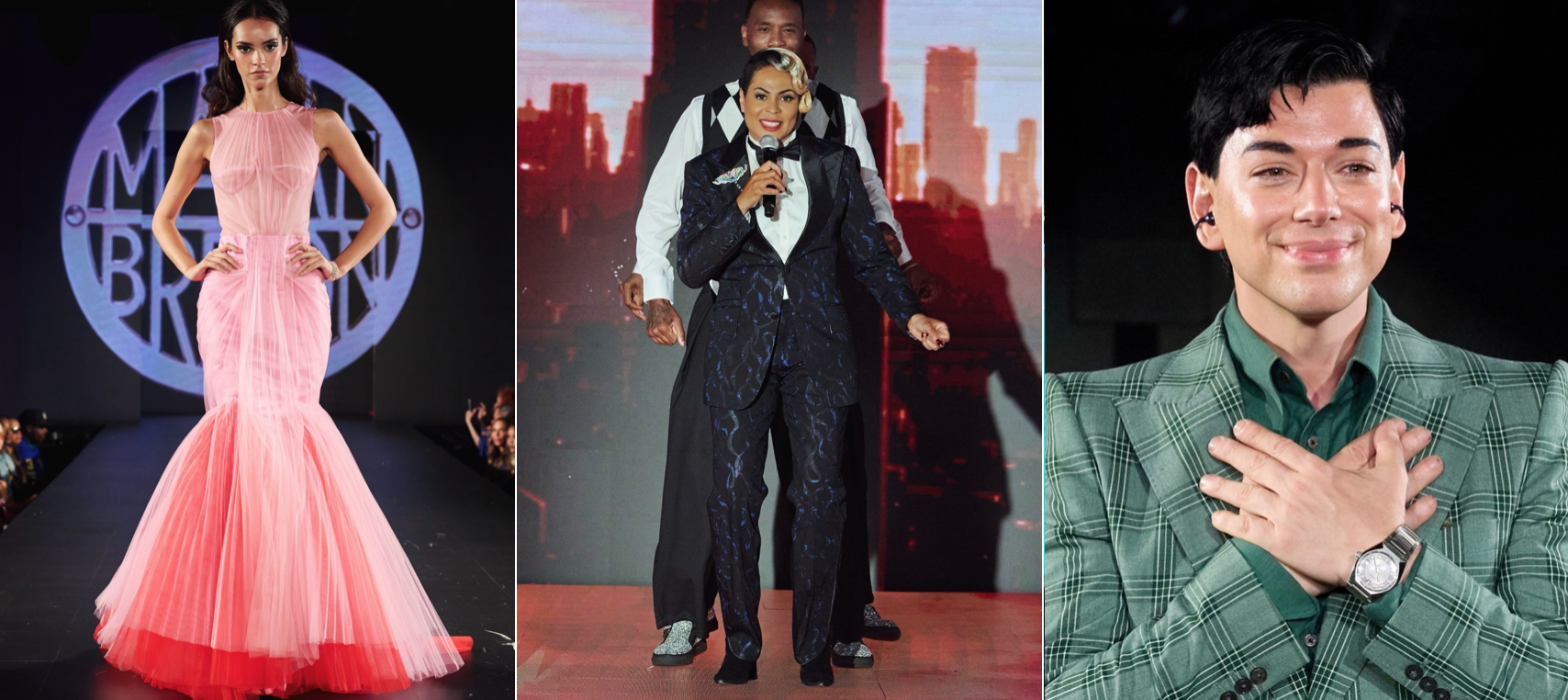
Malan Breton Presents “Garden of a Thousand Tomorrows”
What to Wear to a Summer Wedding as a Guest: A Hamptons Dress Code Guide
Categories
- Art
- Articles
- Business of Luxury
- Celebrities
- Culture
- Entertainment
- Events
- Faces of Summer 2026
- Fashion
- Fashion & Style
- Featured
- Finance
- Food, Spirits, Wine
- Hamptons
- Hamptons Celebrities
- Health
- Health & Beauty
- Lifestyle
- Luxury Lifestyle
- Press
- Profiles
- Real Estate
- Technology
- The Chronicles
- Travel
- Uncategorized
- Weddings