
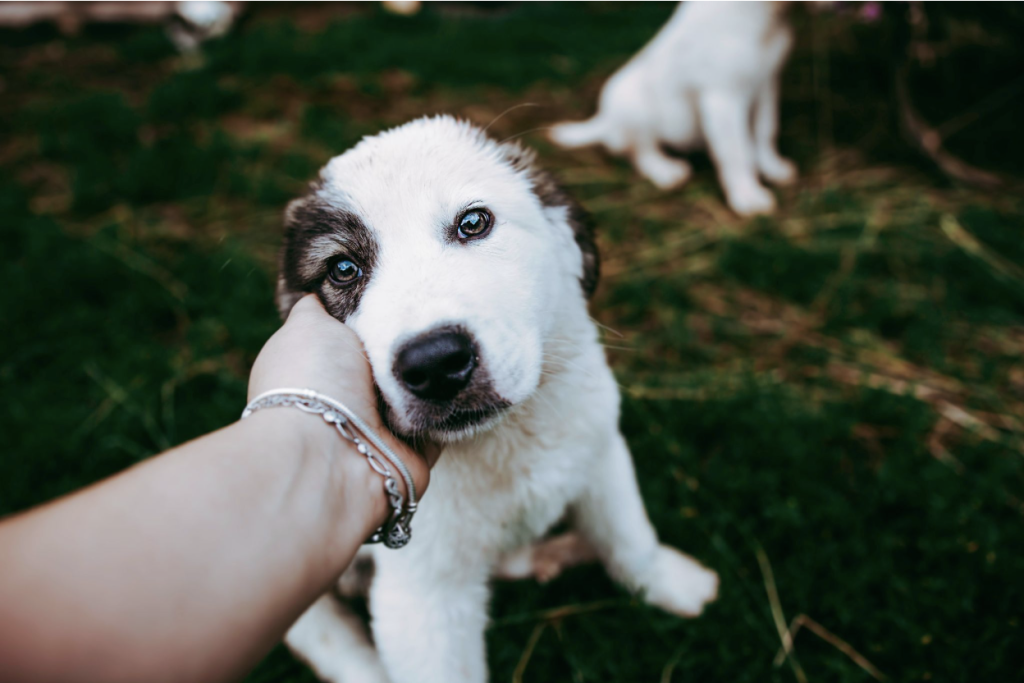
Bringing home a dog is exciting, but it also comes with a steep learning curve. You’re never fully prepared. New owners might study breeds for ages, compare meals, watch videos, and still stumble.
What actually helps isn’t more research. It’s knowing which early mistakes tend to compound over time, and which simple habits quietly make everything easier. Get those things roughly right, and both you and your dog will be set up for a genuinely good life together.
To help get you started, here are seven common mistakes you can avoid as a new dog parent…
1. Treating Training Like Something You Can Start Later
Wanting your dog to feel safe and at home first before asking anything of it may come from a good place. But here’s the thing: your dog is learning from the moment it walks through the door, whether you’re teaching or not. Every time it jumps and gets a cuddle, that’s a lesson. Every time it barks, and you come running, that’s a lesson too.
You don’t need a formal training program on day one. What you need is consistency. Simple things, like waiting before going outside, sitting before meals, and coming when called, build structure without pressure. A few minutes a day of consistently practicing such small habits makes it easier for deeper training once they’ve settled in.
2. Skipping Daily Mental Stimulation
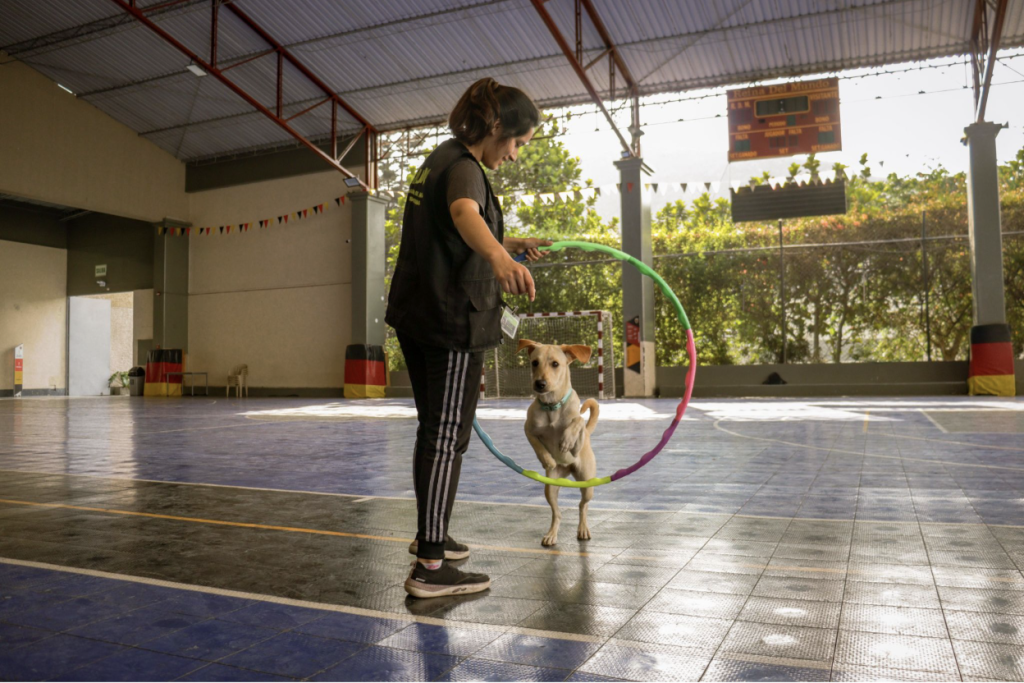
Most people who have just gotten a dog pay more attention to making sure their dog gets daily physical exercise. Even though strolls matter, a physically tired dog isn’t always a satisfied dog. If your dog is still restless after a decent walk, still getting into things, still pacing, boredom is usually the culprit, not excess energy.
Dogs are naturally curious. They thrive when figuring out small things. It can be something as simple as hidden snacks near the couch, fresh toys every couple of days, or learning one small command. Such metal stimulation exercises spark alertness and give your dog’s brain something to do, and a dog with something to do is a dog that isn’t destroying your couch.
3. Choosing Accessories Based Only on Looks
Pet gear has gotten genuinely stylish over the past few years, and it’s easy to get pulled in by the aesthetics. There’s no shame in wanting gear that looks good, just make sure it fits properly before you fall in love with it.
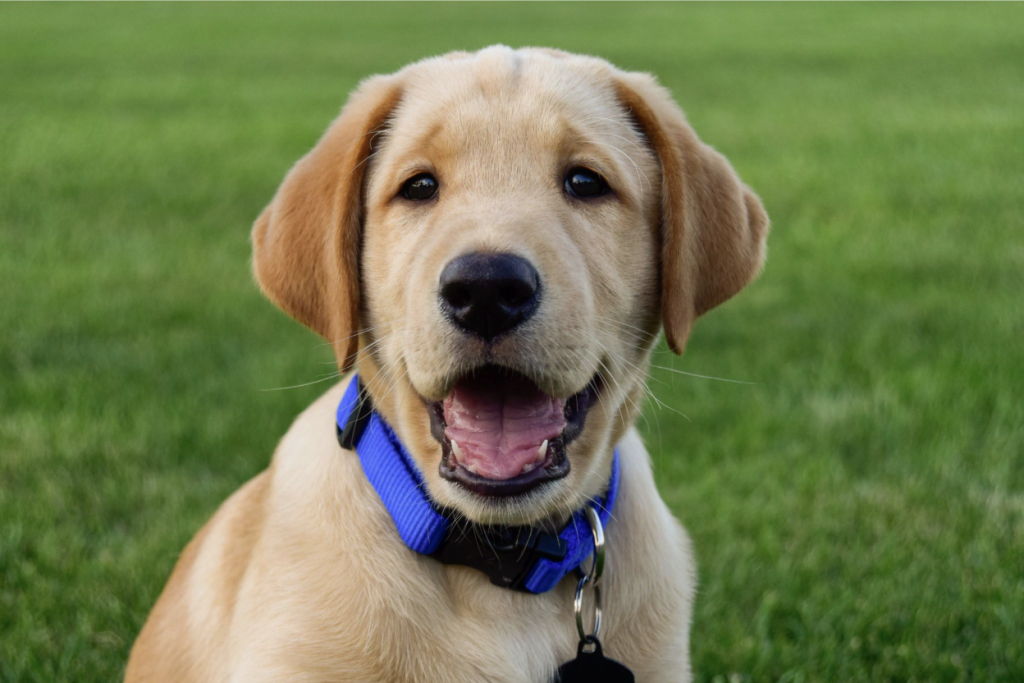
A good dog collar, for example, sits snugly without sliding off the head, yet leaves space to fit two fingers beneath. Too tight and it rubs and chafes over time. Too loose and your dog backs out of it at the worst possible moment.
Fit also changes over time, particularly with puppies. Every few weeks, take a moment to check the fitting and replace anything they may have outgrown.
4. Ignoring Small Changes in Behavior
Dogs don’t tend to announce when something’s wrong. What they do instead is shift their behavior. They’ll sleep a little longer, lose interest in food, or go quieter than usual. Easy to dismiss as a mood, and sometimes it is. But if it’s prolonged, it’s worth taking seriously.
Pay attention to your dog’s normal behavior and patterns. Write down the changes and when they started. It makes it easier to explain to a vet if it leads to that.
5. Expecting Perfect Behavior Too Quickly
Some dogs get the hang of house training in a few weeks. Others take several months of patient, unglamorous repetition. Neither timeline makes your dog exceptional or defective. Every dog has its own pace, and when you measure your pup against another, frustration often follows.
Leashes get tugged, pups leap, and mishaps happen. This is just how dogs figure things out. What you do in response to those moments shapes everything. Consistent rewards for good behavior, steady rules, and the same signals every time are what build understanding. Oh, and of course, lots of patience from you.
6. Forgetting That Comfort Changes With the Weather
Surprisingly often, many new dog parents don’t consider how dogs are affected by weather changes. And those who have the slightest idea often assume only certain breeds struggle when the weather shifts. But the impact varies from dog to dog and not just by breed.
You need to study your dog to know what they need to stay comfortable throughout the seasons. During hot weather, make sure your dog always has access to shade and fresh water. Planning walks early in the morning or later in the evening can also help prevent overheating.
For dogs that really feel the heat, like older dogs, flat-faced breeds, or anything carrying a heavier coat, a dog cooling mat is one of those things that can really help keep their temperatures down. Small adjustments like these make a noticeable difference in your dog’s overall well-being.
7. Trying to Do Everything Without Professional Support
Nobody becomes a dog owner knowing everything, and there’s no reason you should. If leash pulling is making walks miserable, or house training isn’t clicking after months of trying, get help before it becomes the new normal. A good trainer would be a good person to consult. Even joining a beginner group with young pups helps.
Your vet is also worth talking to, especially for health concerns. They’ve heard every question before, and there’s no threshold of “too small” when it comes to something you’re actually worried about. Learning from experienced professionals also builds your confidence, making everyday life with your dog far more enjoyable.
Conclusion
Most people make missteps during their first try at caring for a puppy. That’s totally expected. Staying open to growth makes all the difference, along with tuning into your pet’s cues.
By avoiding these common mistakes, you build a stronger relationship grounded in trust, consistency, and understanding. Perfection? Not required by your four-legged friend. Just someone calm, attentive, and who shows up every single day.
Author

Written by
Recent Posts

Unlocking the Berkshires
Dalia Forman Design

Alberto Luzzi
How to Pick a Homecoming Dress for Your Body Type and Feel Amazing in It
How to Prepare a Home for Sale When Major Repairs Are Not Affordable
Categories
- Art
- Articles
- Business of Luxury
- Celebrities
- Culture
- Entertainment
- Events
- Faces of Summer 2026
- Fashion
- Fashion & Style
- Featured
- Finance
- Food, Spirits, Wine
- Hamptons
- Hamptons Celebrities
- Health
- Health & Beauty
- Lifestyle
- Luxury Lifestyle
- Press
- Profiles
- Real Estate
- Technology
- The Chronicles
- Travel
- Uncategorized
- Weddings